
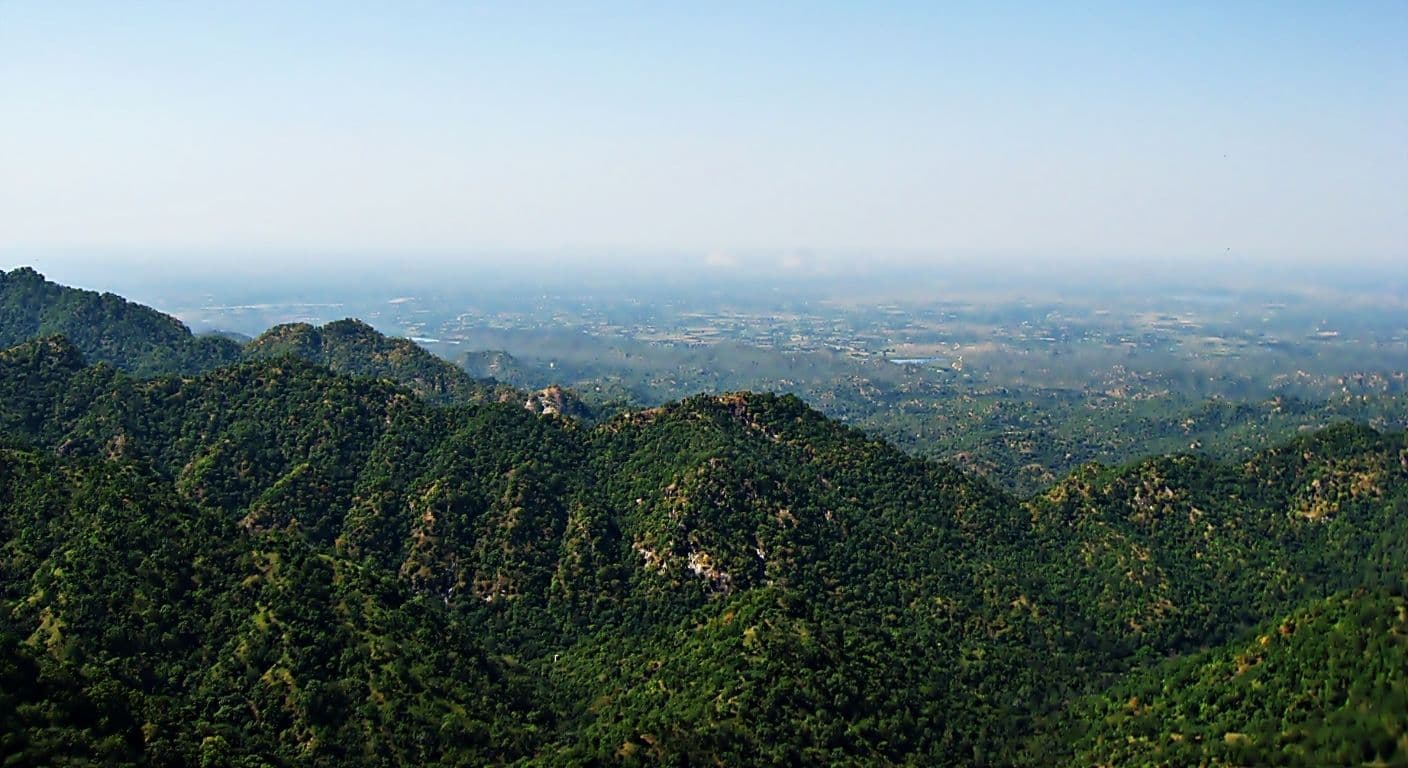
A high-level committee examining the Aravalli range is scheduled to tour Rajasthan from August 7 to August 10, 2026 as part of the process linked to defining the mountain system. The panel, chaired by the director general of the Indian Council of Forestry Research and Education, will conduct field visits across selected districts and hold stakeholder interactions during the multi-day review.
The broader significance is that this is not being framed as a symbolic tour. The release says the committee will study ecology, geology, hydrology, biodiversity, mining land use and socio-economic conditions, making the exercise relevant to future discussions around conservation, mining practices and land-use planning in Aravalli-linked areas of the state.
Quick Highlights
- The Rajasthan tour is scheduled from August 7 to August 10, 2026.
- The committee is studying ecology, geology, hydrology, biodiversity, mining land use and socio-economic conditions.
- The field programme covers the Kotputli-Neem Ka Thana-Sariska belt, the Jaipur and Kishangarh-Ajmer side, and the Rajsamand-Udaipur region.
- Officials said the panel will also interact with collectors, department officers, leaseholders, environmentalists, NGOs, mining associations, workers, experts, villagers and farmers.
- The state has already assigned nodal officers from the mines and forest departments for coordination.
How the Rajasthan schedule is laid out
The release sets out a district-wise programme rather than a single-site review. That matters because it suggests the committee is trying to examine the Aravalli issue across different administrative zones, ecological settings and mining-linked landscapes instead of depending only on file-based submissions.
| Date | Planned tour detail named in the release |
|---|---|
| August 7, 2026 | Kotputli, Neem Ka Thana and the Sariska area |
| August 8, 2026 | Jaipur and the Kishangarh-Ajmer area |
| August 9, 2026 | Rajsamand and the Udaipur area |
| August 10, 2026 | Stakeholder interactions in Udaipur |
The same release also points to consultations during the tour in places such as Sariska-Alwar, Ajmer and Udaipur. Those interactions widen the story beyond a technical inspection, because they bring in perspectives from both officials and people directly affected by environmental and mining-related decisions.
Why this tour matters
The committee's mandate gives the tour weight well beyond routine administration. A field review built around ecological, hydrological and mining-linked questions can shape how later discussions are framed when the state and other institutions deal with Aravalli-related issues. In practical terms, this makes the current exercise part of the evidence-gathering stage for a much larger policy and legal conversation.
That still does not mean an immediate rule change or enforcement step has been announced. What the release clearly supports is a fact-finding and coordination exercise. Even so, these fact-finding stages often matter because they influence the quality of the record on which future decisions rest.
What the state has asked officials to do
On Wednesday, August 5, 2026, additional chief secretary Aparna Arora held a virtual review with senior mines and forest officials ahead of the tour. She told districts and local officers to remain prepared, coordinate with the committee, stay present during the visit and keep the required information ready for inspection and discussion.
The release says the state has named Mahavir Prasad Meena as nodal officer from the mines side, with B. S. Sodha as assistant nodal officer, while T. J. Kavitha has been assigned as nodal officer from the forest side. That preparation suggests the government wants the tour to function as a structured statewide review with both departmental inputs and public-facing stakeholder engagement rather than a ceremonial stop-by-stop visit.