

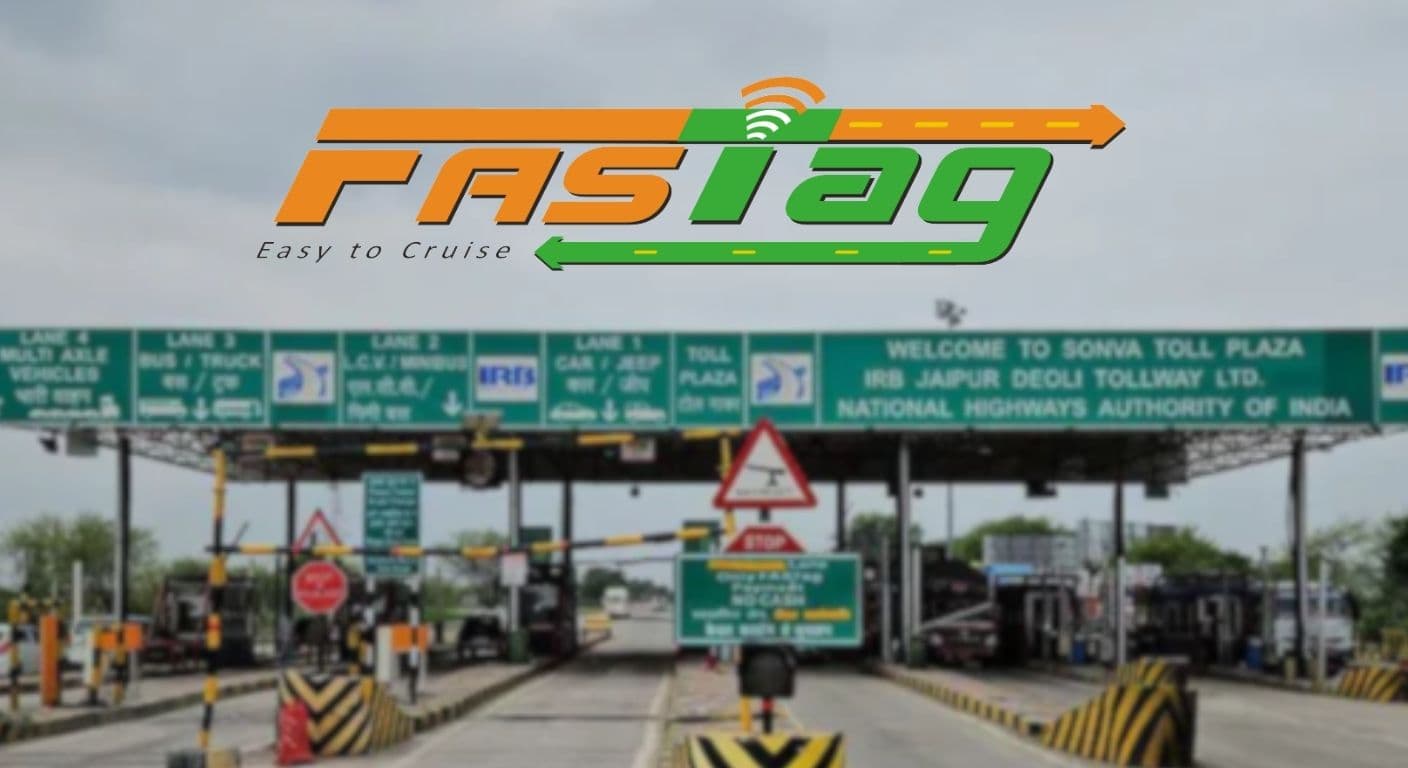
The Rajasthan Police has issued an urgent public advisory warning vehicle owners about a new online scam targeting users looking to purchase a FASTag annual pass. According to cybercrime officials, fraudsters are impersonating the official portal of the National Highways Authority of India (NHAI) to steal money from unsuspecting citizens.
🚨 Scam Hidden in Top Google Results
Director General of Police (Cyber Crime) Sanjay Agrawal warned that cybercriminals are using paid advertisements and SEO tactics to push fake websites to the top of search results on Google. Since many users trust the first link they see, they often click on these sponsored results, assuming they are legitimate.
These fraudulent sites closely mimic official NHAI portals, copying logos, layouts, and design elements, making them difficult to identify as fake.
💸 How the Fraud Works
The advisory states that fake portals typically demand around ₹3,000 for an “annual toll pass.” Instead of secure payment gateways, they display a QR code. Once scanned, the money is transferred to mule accounts controlled by scammers rather than any government account.
Police emphasized that government payments are never collected in personal names. If a payment request shows an individual’s name instead of an official entity, it is a major red flag.
✅ How to Identify Genuine Platforms
To stay safe, authorities recommend:
Use only official platforms such as authorized bank portals or verified government apps.
Carefully check website URLs — suspicious domains like annualtollpass.com or misspelled variants should be avoided.
Verify payment recipient details before completing any transaction.
Never share banking or OTP details through unknown links or websites.
📞 What to Do If You’re Scammed
If you suspect fraud or have already made a payment:
Call the national cybercrime helpline 1930
Contact Rajasthan Police helplines: 9256001930 or 9257510100
File a complaint online via the official portal of the Government of India — cybercrime.gov.in
Cybercriminals are becoming increasingly sophisticated, using legitimate-looking websites and paid search placements to trick users. Always verify before paying online — especially when dealing with toll passes, government services, or financial transactions.