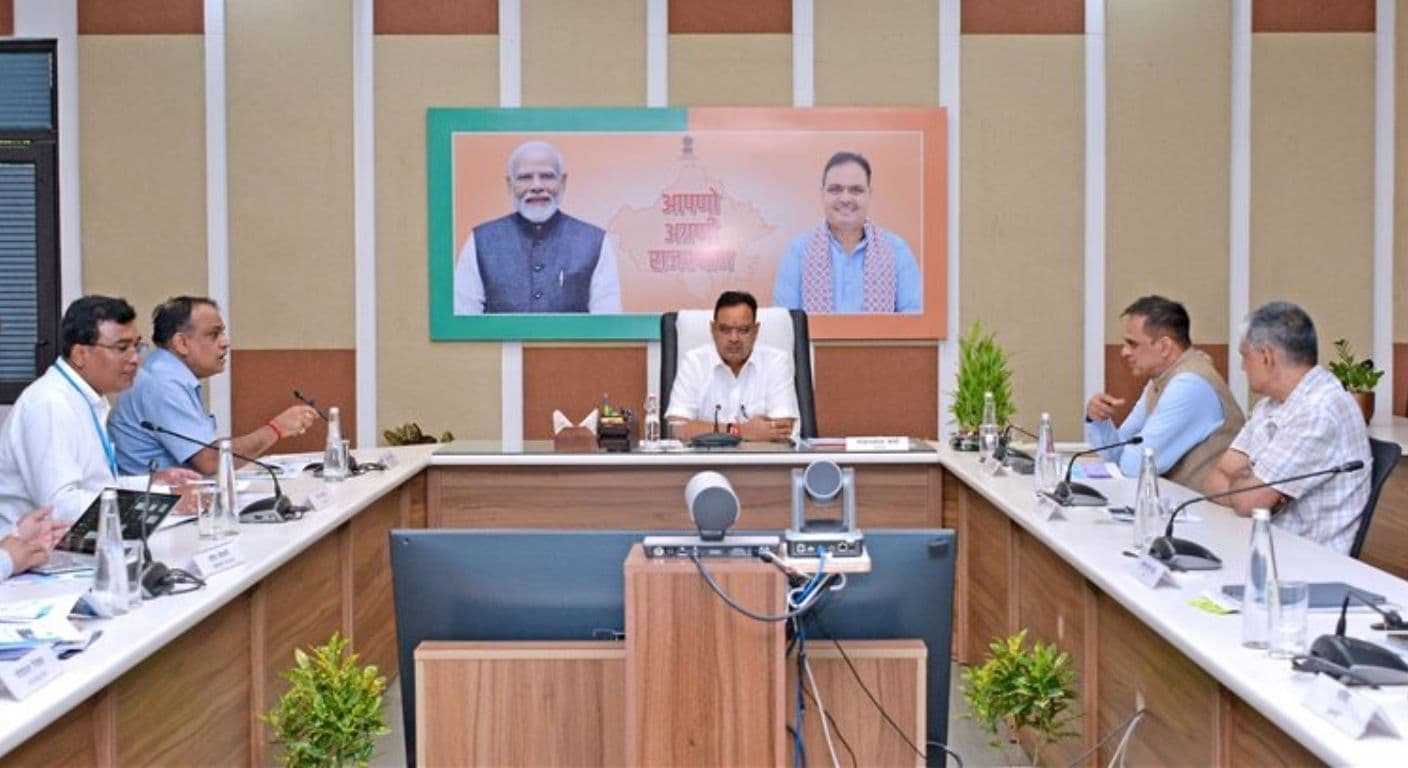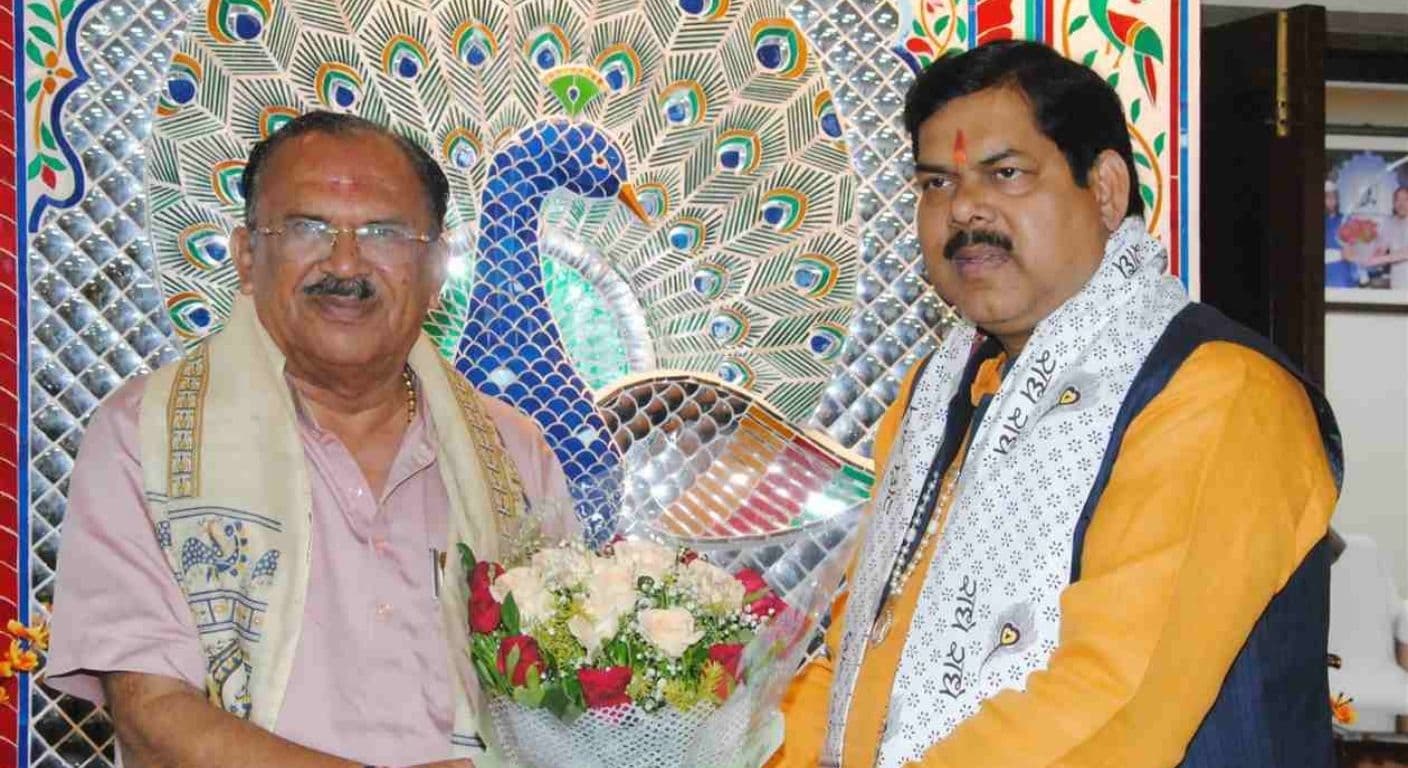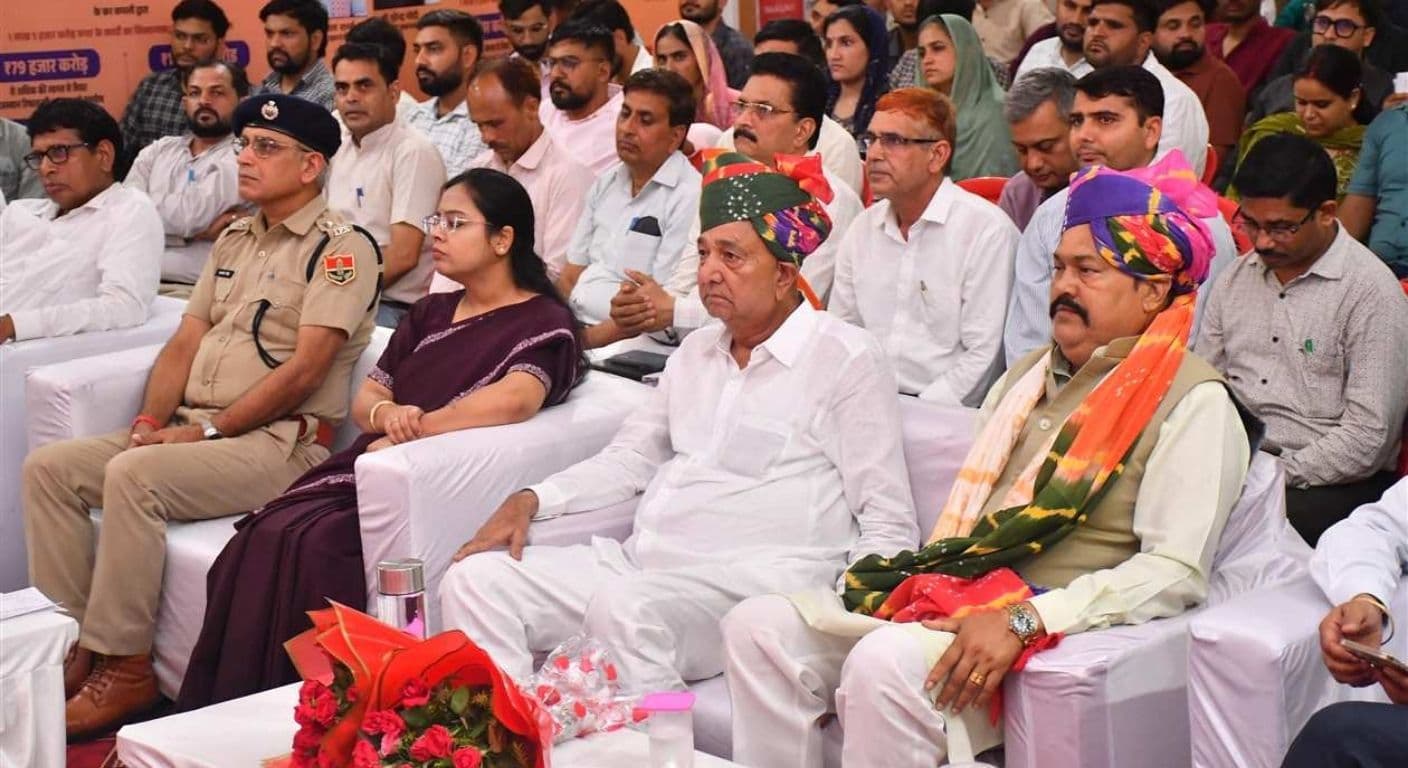

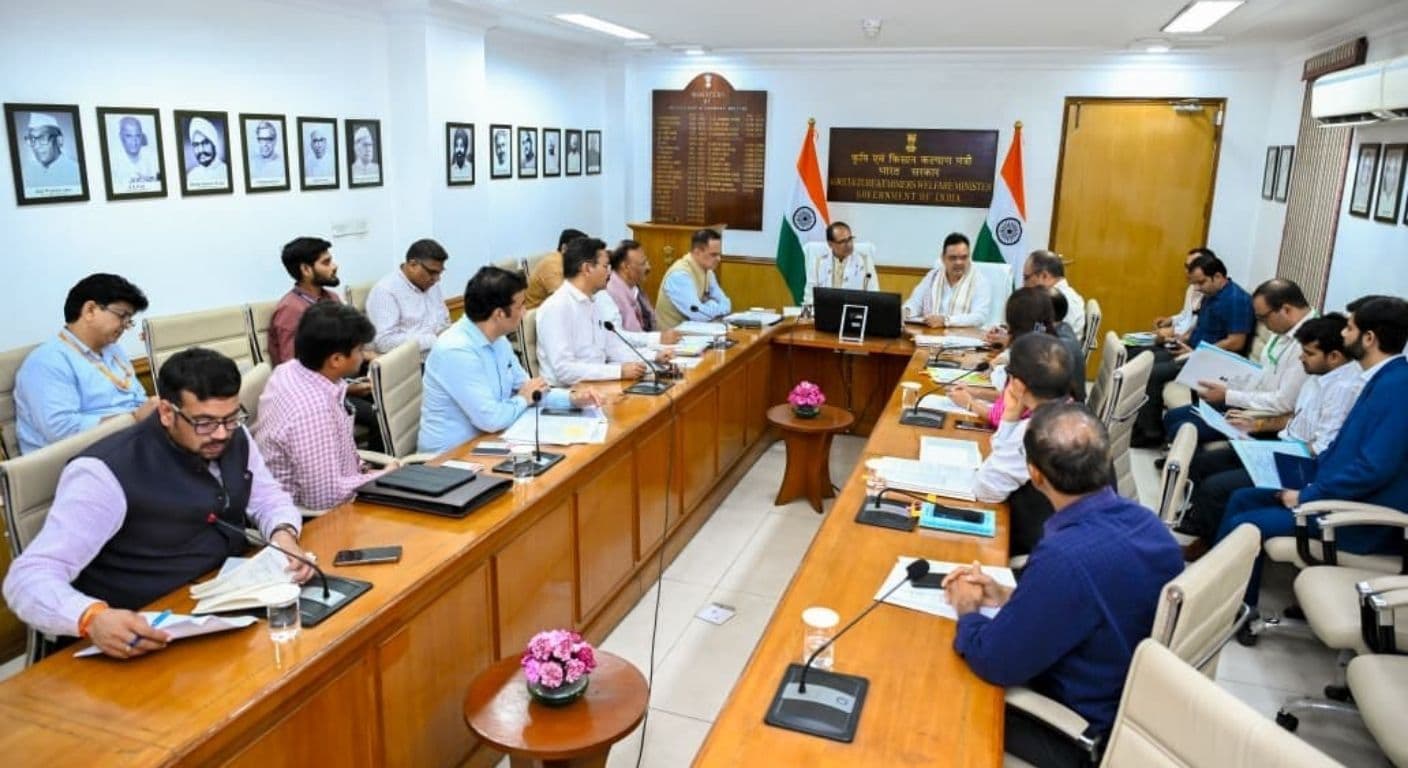
Chief Minister Bhajan Lal Sharma used a two-day round of meetings in New Delhi late on July 6, 2026 and on July 7, 2026 to push a wide set of Rajasthan files with the Union government. Across meetings with six Union ministers, the agenda stretched from metro expansion and e-bus services to water projects, rooftop solar, rural development, food storage and highway progress.
For Jaipur readers, the most immediate local hook is the discussion on metro-network expansion and e-bus services with Union minister Manohar Lal. But the broader visit also shows Rajasthan trying to keep several large state-centre coordination files moving at the same time, especially in sectors where projects depend on Delhi for approvals, funding alignment or execution support.
Quick Highlights
- Bhajan Lal Sharma met six Union ministers during his Delhi visit.
- The visit covered urban mobility, water, renewable energy, food systems, rural development, finance and roads.
- Shivraj Singh Chouhan praised Rajasthan's implementation of the rural jobs and livelihoods mission and the chief minister's Gram Vikas Chaupal outreach.
- Pralhad Joshi praised Rajasthan's progress in MSP wheat procurement and discussed warehousing, PM Surya Ghar, PM-KUSUM and battery storage.
- Manohar Lal's meeting included e-bus services and metro expansion, giving Jaipur the clearest city-level stake in the visit.
- The Delhi round also covered Jal Jeevan Mission, the Yamuna water project, the Ram Jal Setu Link project and Rajasthan's national highway and expressway works.
Who discussed what in Delhi
This was not a single-theme political visit. The meetings were spread across sectors that affect both long-horizon infrastructure and day-to-day public services. That matters because Rajasthan's biggest coordination challenges often sit at the intersection of state execution and Union-level support.
| Union minister | Main Rajasthan issues discussed |
|---|---|
| Shivraj Singh Chouhan | Rural jobs and livelihoods mission implementation, village development work and praise for Gram Vikas Chaupal. |
| Pralhad Joshi | Public distribution, foodgrain storage, modern warehousing, MSP wheat procurement, PM Surya Ghar, PM-KUSUM and battery energy storage. |
| Manohar Lal | Power-sector strengthening, housing and urban schemes, e-bus services and metro-network expansion. |
| C. R. Patil | Jal Jeevan Mission, the Yamuna water project, the Ram Jal Setu Link project and future water planning. |
| Nirmala Sitharaman | Broader development priorities and Centre-state coordination. |
| Nitin Gadkari | Progress on national highways and expressway projects in Rajasthan. |
Why the metro, solar and water files matter
The most visible Jaipur-facing item is the urban mobility discussion. If the e-bus and metro-expansion conversations turn into concrete movement, Jaipur could see direct benefits in how public transport capacity and city mobility planning evolve. That makes the Delhi visit more relevant to the capital than a generic state-level review would normally be.
The solar and power-side discussion is also important because it connects rooftop and distributed-energy rollout with execution models that can affect how quickly schemes actually scale on the ground. In the meeting with Pralhad Joshi, the state discussed pushing PM Surya Ghar Muft Bijli Yojana through a utility-led aggregation model, along with PM-KUSUM and battery energy storage systems. Those are not small administrative details; they shape how households, agriculture and distribution networks could benefit from cleaner power.
On the water side, the talks with C. R. Patil brought together immediate service delivery and long-term infrastructure. Jal Jeevan Mission is a current public-service file, while the Yamuna water project and Ram Jal Setu Link project sit in the larger category of state-transforming water works that need sustained coordination rather than one-off announcements.
What to watch next
The release is strong on agenda and coordination, but it does not announce fresh sanctions, project timelines or final approvals. That means the next real test is follow-through: whether these minister-level discussions translate into movement on Jaipur's metro and e-bus files, faster energy-scheme rollout, clearer progress on water projects and stronger execution on roads and storage infrastructure.
For now, the Delhi visit is most useful to read as a coordination push across multiple fronts at once. If the meetings begin producing measurable decisions in the coming weeks or months, this round could matter far beyond its photo-op value. If not, it will remain an ambitious but still preliminary state-centre engagement exercise.