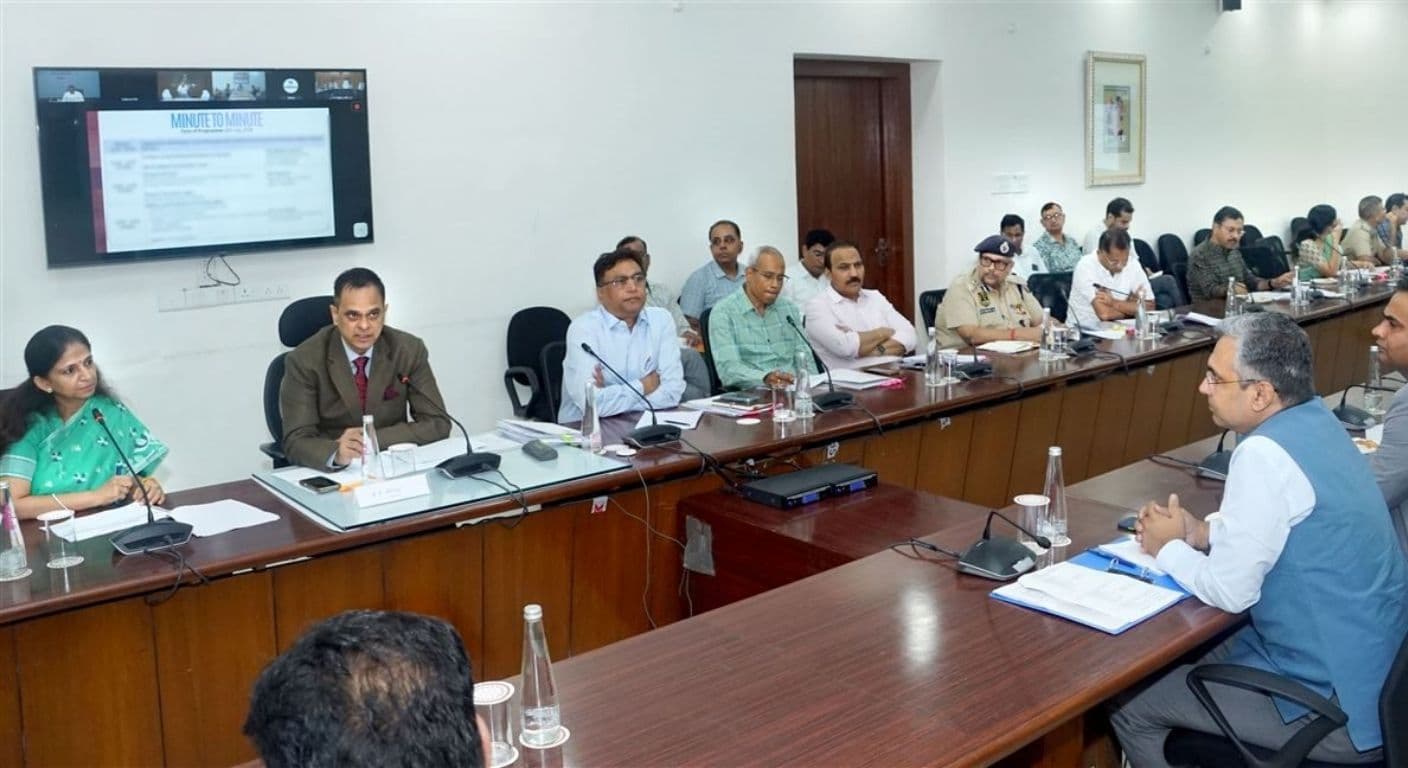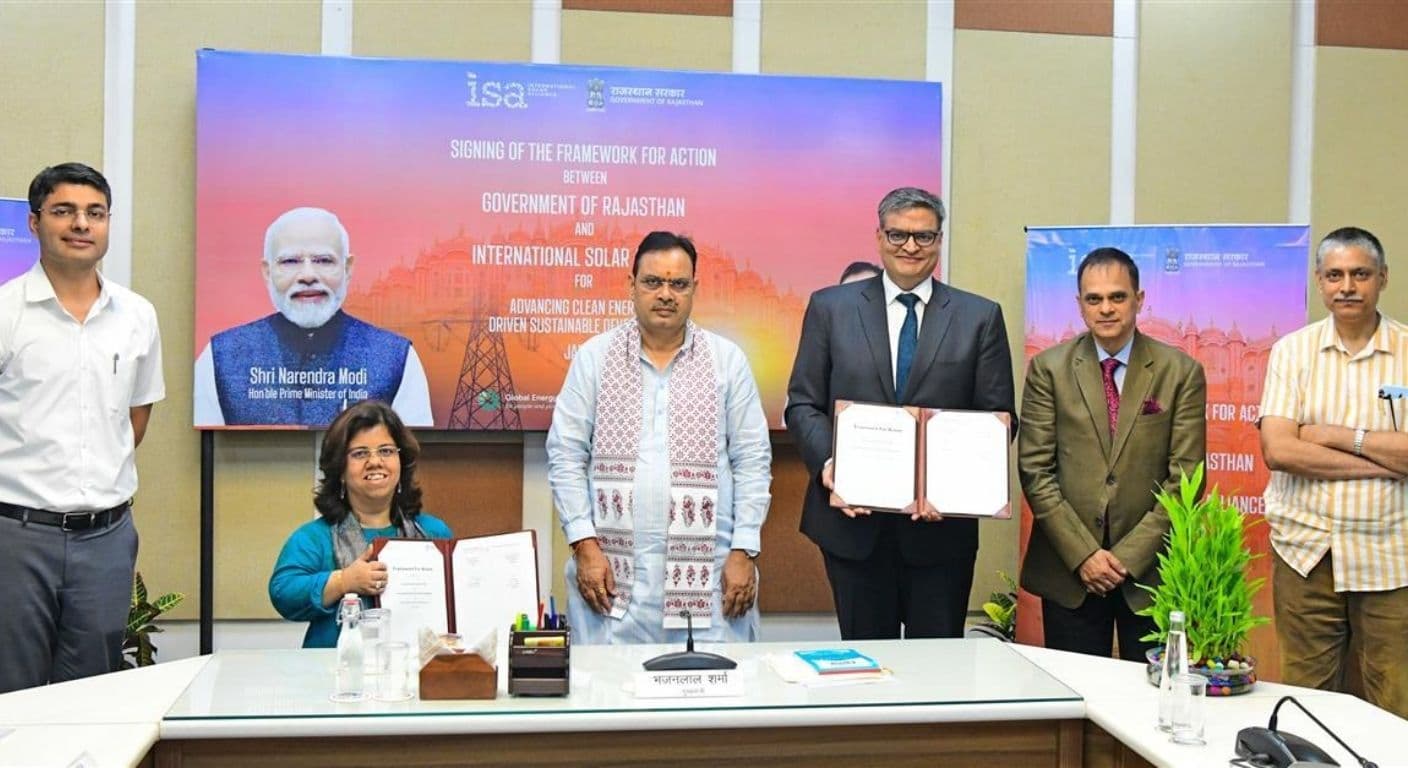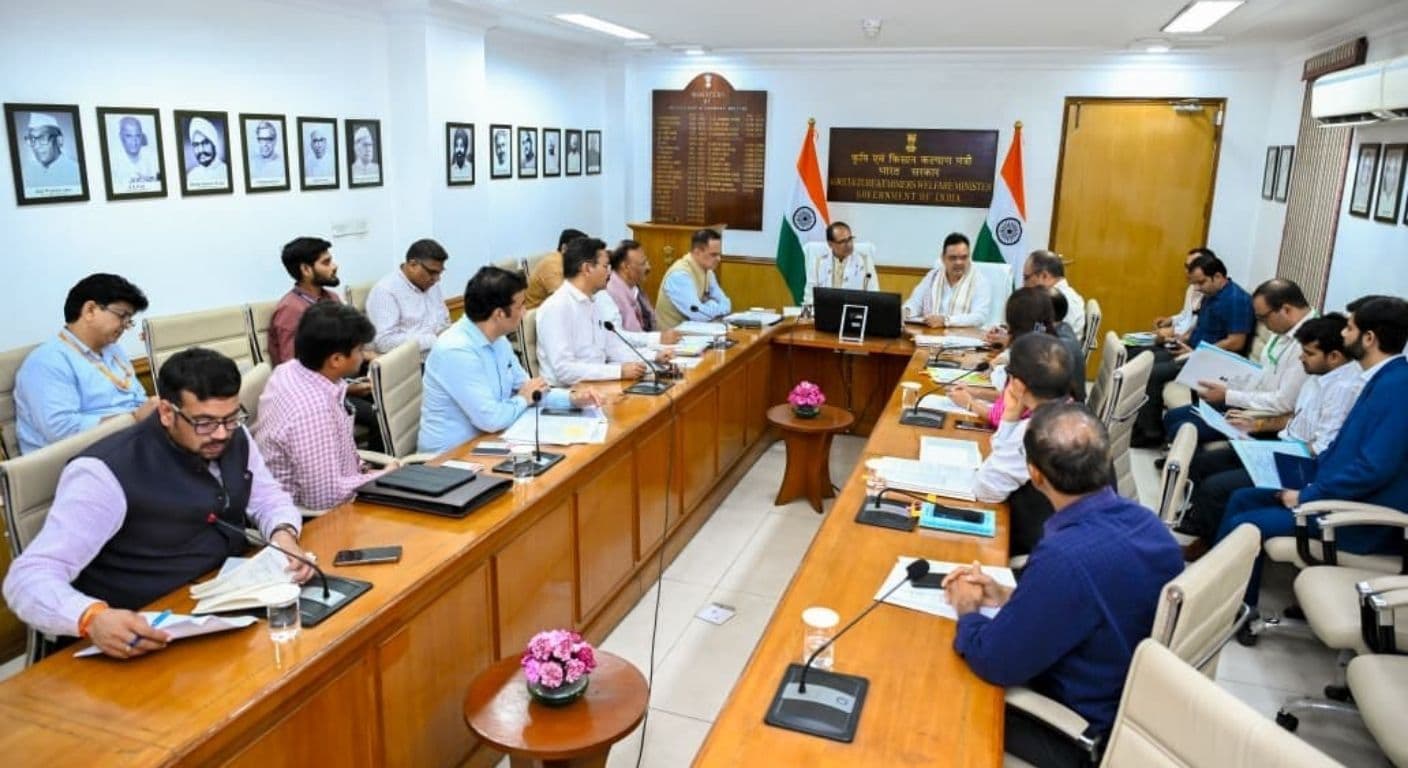

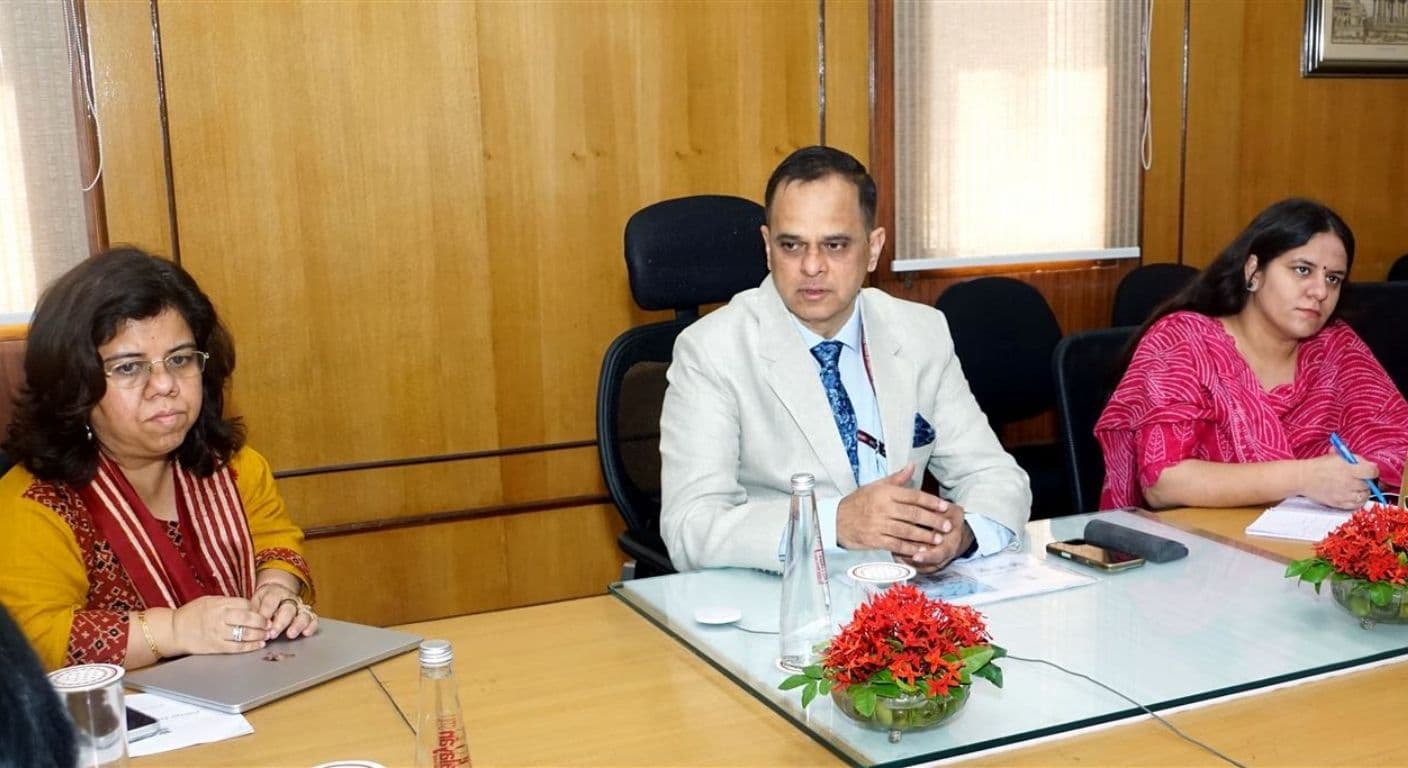
Rajasthan's latest energy review in Jaipur brought together three linked priorities: faster completion of PM-KUSUM projects, quicker beneficiary processing under PM Surya Ghar Muft Bijli Yojana and a push to make daytime electricity supply available to farmers across the state by March 2027. Chief Secretary V. Srinivas chaired the July 9, 2026 meeting with the Energy Department and senior officials from all three DISCOMs, asking them to keep every major scheme on schedule and speed up pending work.
The clearest public-facing milestone from the review was the farm-power target. Officials said farmers in 26 districts are already receiving electricity during the day, while work in the remaining districts is progressing toward the statewide deadline. For Jaipur readers, the significance is that one of Rajasthan's biggest power-delivery goals is being coordinated from the capital through a mix of solar expansion, rooftop rollout and distribution follow-up.
Quick Highlights
- The Chief Secretary reviewed the Energy Department's major schemes and projects with senior officials from the three DISCOMs.
- The meeting tracked a March 2027 plan to provide daytime electricity supply to farmers across Rajasthan.
- Officials said farmers in 26 districts are already receiving electricity during the day.
- All approved PM-KUSUM projects were ordered to be completed within the prescribed timelines.
- Applications under PM Surya Ghar Muft Bijli Yojana are to be scrutinized quickly so eligible beneficiaries receive connections on time.
- The Utility Led Aggregation (ULA) model was also reviewed, with a call for strict timelines to speed up rooftop solar installations.
What the review focused on
The meeting was not limited to one scheme. It combined progress checks on PM-KUSUM, PM Surya Ghar, the ULA rooftop-solar model and other energy projects into one implementation review. The release says Rajasthan is already counted among the country's leading states in PM-KUSUM execution, but the Chief Secretary still directed officials to finish all approved projects within their set timelines.
That matters because the review's tone was about delivery rather than announcement. On PM Surya Ghar, Srinivas asked officials to move quickly on application scrutiny and ensure eligible beneficiaries receive electricity connections on time. On the ULA model, he called for strict adherence to timelines so rooftop solar work can gather more speed across the state.
| Scheme or focus area | Direction from the review |
|---|---|
| PM-KUSUM | Complete all approved projects within the prescribed timelines. |
| PM Surya Ghar Muft Bijli Yojana | Speed up application scrutiny and provide timely connections to eligible beneficiaries. |
| ULA rooftop-solar model | Follow timelines strictly so rooftop solar installations move faster. |
| Daytime electricity for farmers | Track the statewide plan for March 2027; 26 districts are already on daytime supply. |
| Pending scheme work | Bring faster progress across delayed or unfinished tasks. |
Why the March 2027 target stands out
The review covered several schemes, but the most measurable deadline in the release is the plan to make daytime electricity available to farmers across Rajasthan by March 2027. That turns a broad administrative meeting into a trackable public promise. It also gives the state's energy push a visible benchmark beyond policy language or project lists.
The meeting suggests the government is treating farm supply, solar expansion and distribution planning as connected tasks rather than separate files. For Jaipur, that means the capital remains the control point where rural power scheduling, rooftop-solar momentum and beneficiary-facing scheme delivery are being tied together in one review process.
What rooftop solar and beneficiary speed mean here
The call to speed up rooftop solar under the ULA model is one of the more important signals in the release. While no installation count or capacity figure is given here, the direction shows the state wants rooftop deployment to move more quickly if the larger electricity transition is to stay on track. That makes this story not just about farm supply hours, but about how Rajasthan is trying to align distribution planning with more decentralized solar growth.
The same logic applies to PM Surya Ghar. The review does not publish application numbers, approval rates or district-wise performance, but the order to inspect applications quickly suggests officials see processing speed as a bottleneck that now needs closer monitoring. In other words, the next phase is less about launching schemes and more about converting them into connected, functioning supply on the ground.
What to watch next
The first thing to watch is whether the remaining districts begin moving onto daytime farm supply in line with the March 2027 goal. The second is whether rooftop solar installations and PM Surya Ghar beneficiary connections start accelerating in a way the public can actually see.
The release does not provide district-by-district progress, scheme-wise completion percentages or PM Surya Ghar application counts, so the real test ahead is follow-up data. If future reviews begin to show harder numbers alongside the deadlines issued in Jaipur, the story will shift from intent to measurable execution.