
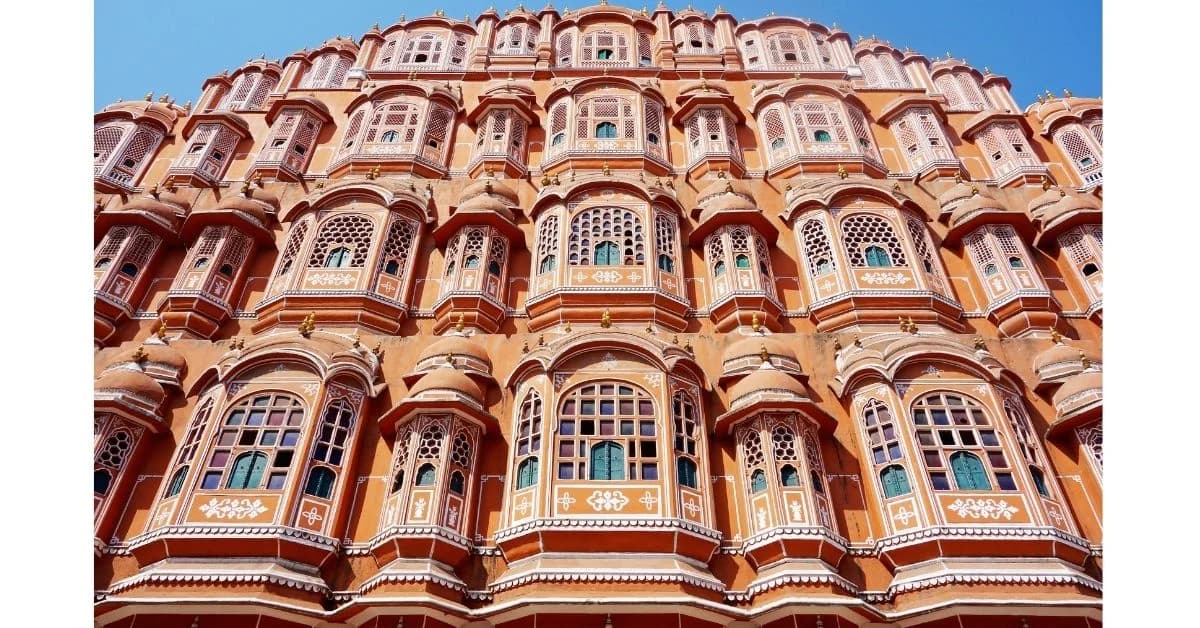
Standing tall in the heart of Jaipur's bustling bazaars, Hawa Mahal is one of the most recognizable landmarks in India. Often called the "Palace of Winds," this stunning pink sandstone structure has been captivating visitors for over two centuries with its unique honeycomb-like facade and fascinating history. If you're planning a trip to the Pink City, this architectural marvel is an absolute must-see!
The Fascinating History of Hawa Mahal
Hawa Mahal was built in 1799 by Maharaja Sawai Pratap Singh, the grandson of the legendary Maharaja Sawai Jai Singh (the founder of Jaipur). The maharaja commissioned the royal architect Lal Chand Ustad to design a structure that would serve a very special purpose.
In those days, royal women followed the Purdah system, which meant they couldn't appear in public or be seen by outsiders. But here's the clever part - the maharaja wanted his queens and princesses to enjoy the vibrant street life, processions, and festivals of Jaipur without breaking this tradition. The solution? Build a palace with hundreds of tiny windows!
The 953 small, intricately carved jharokhas (windows) allowed the royal ladies to watch the colorful bazaars and grand processions below while remaining completely hidden from public view. Thanks to the ingenious design, cool breezes would flow through these latticed windows even during the scorching summer months - hence the name "Palace of Winds."
The Stunning Architecture
What makes Hawa Mahal truly unique is that it's not actually a palace in the traditional sense - it's essentially an elaborate facade or screen wall! The structure stands an impressive five stories tall and is shaped like a pyramid, resembling the crown of Lord Krishna (Maharaja Sawai Pratap Singh was a devoted follower of the deity).
Architectural Highlights
- 953 Jharokhas: The small, beautifully carved windows with intricate geometric and floral patterns are the star attraction
- Five Floors: Each level has its own character, with balconies, domed canopies, and detailed carvings
- Honeycomb Design: The beehive-like structure is not just beautiful but also functional, allowing air circulation
- Red and Pink Sandstone: Built with the same material as Jaipur's other famous monuments, giving it that signature pink glow
The architecture is a beautiful blend of Rajput and Mughal styles. You'll notice the fluted pillars, lotus-shaped decorations, and domed canopies that are typically Rajput, while the stone latticework (jali) and arched doorways show clear Mughal influences. It's this fusion that makes Hawa Mahal so visually captivating!
Entry Fee and Tickets
Visiting Hawa Mahal is quite affordable. Here's what you'll need to pay:
| Visitor Type | Entry Fee |
|---|---|
| Indian Citizens | ₹50 |
| Foreign Tourists | ₹200 |
| Children (Below 7 years) | Free |
Pro Tip: If you're planning to explore multiple monuments in Jaipur, consider getting the Composite Ticket! It gives you entry to Amber Fort, Albert Hall Museum, Jantar Mantar, Hawa Mahal, Isarlat, and Nahargarh Fort - and it's valid for two days. Great value for history buffs!
Visiting Hours and Timings
Hawa Mahal welcomes visitors every day of the week:
- Opening Time: 9:00 AM
- Closing Time: 5:00 PM
- Open: All days including weekends and government holidays (closed only on Holi)
- Recommended Duration: 30 minutes to 1 hour
Try to arrive early in the morning to avoid the crowds and catch the beautiful morning light on the pink facade!
Best Time to Visit
While Hawa Mahal is open year-round, the best time to visit is from October to March. During these winter months, Jaipur's weather is pleasant and ideal for sightseeing. The temperatures are comfortable, making it easy to explore the monument and walk around the nearby markets.
If you're visiting during summer (April to June), try to come early in the morning before it gets too hot. The good news is that the clever design of Hawa Mahal means there's always a cool breeze flowing through its corridors!
How to Reach Hawa Mahal
Hawa Mahal enjoys a prime location in the heart of old Jaipur:
Address: Badi Choupad, Pink City, Jaipur, Rajasthan - 302002
Getting There
- By Metro: The nearest station is Badi Chaupad Metro Station, just 200 meters away - super convenient!
- By Auto/Taxi: Easily accessible from any part of Jaipur; just tell the driver "Hawa Mahal"
- By Bus: City buses frequently stop near Badi Chaupad
- On Foot: If you're staying in the Pink City area, it's a lovely walk through the colorful bazaars
Tips for Your Visit
Here are some friendly tips to make the most of your Hawa Mahal experience:
- Enter from the back: The main entrance is actually at the rear of the building, not from the famous front facade
- Climb to the top: Don't miss the views from the upper floors - you'll get amazing panoramas of Jantar Mantar, City Palace, and the bustling streets below
- Morning photography: The front facade looks stunning in the early morning golden light
- Explore the street view: The best photos of the complete facade are taken from across the street - there's a designated viewing area
- Combine with nearby attractions: City Palace and Jantar Mantar are just a short walk away
- Shop around: The surrounding Johari Bazaar and Bapu Bazaar are perfect for picking up souvenirs, jewelry, and traditional Rajasthani items
What to Expect Inside
Once you enter Hawa Mahal, you'll discover it's more than just a pretty facade. The interior features:
- A small museum showcasing ceremonial armor, miniature paintings, and historical artifacts
- Narrow staircases connecting the five floors (wear comfortable shoes!)
- Beautifully decorated rooms with colored glass windows
- Rooftop views that are absolutely worth the climb
Nearby Attractions
Hawa Mahal's central location makes it easy to explore other famous landmarks:
- Jantar Mantar: The fascinating astronomical observatory (5-minute walk)
- City Palace: The magnificent royal residence (10-minute walk)
- Nahargarh Fort: Stunning hilltop fort with panoramic views
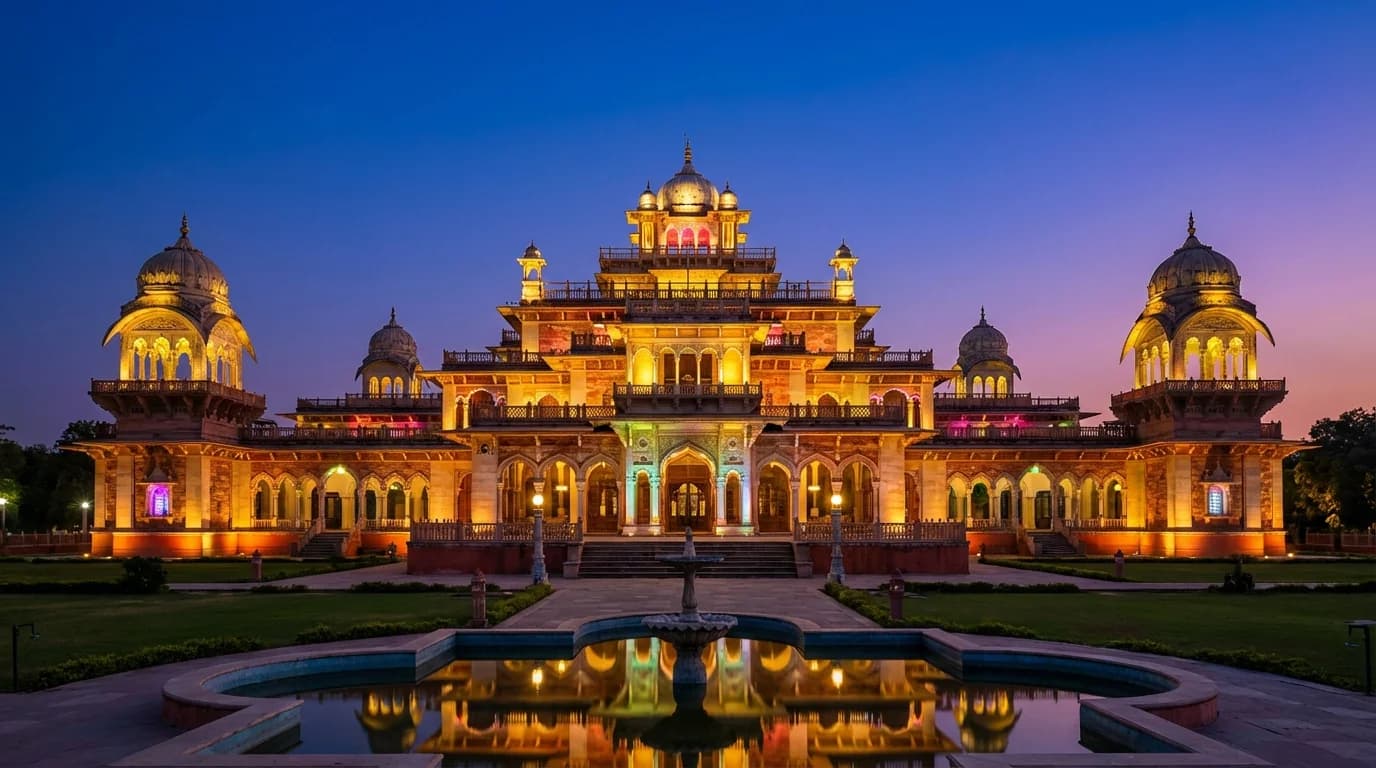
- Albert Hall Museum: Rajasthan's oldest museum with incredible collections
Final Thoughts
Hawa Mahal is more than just a monument - it's a symbol of Jaipur's rich heritage and the artistic brilliance of Rajput architecture. Whether you're a history enthusiast, architecture lover, or simply someone who appreciates beauty, this "Palace of Winds" will leave you mesmerized.
The way it stands proudly amid the bustling bazaars, glowing pink in the morning sun, is a sight you'll never forget. So when you visit Jaipur, make sure Hawa Mahal is at the top of your must-see list. Trust us - it's even more beautiful in person!
Have you visited Hawa Mahal? We'd love to hear about your experience! Share your thoughts and photos with us.