
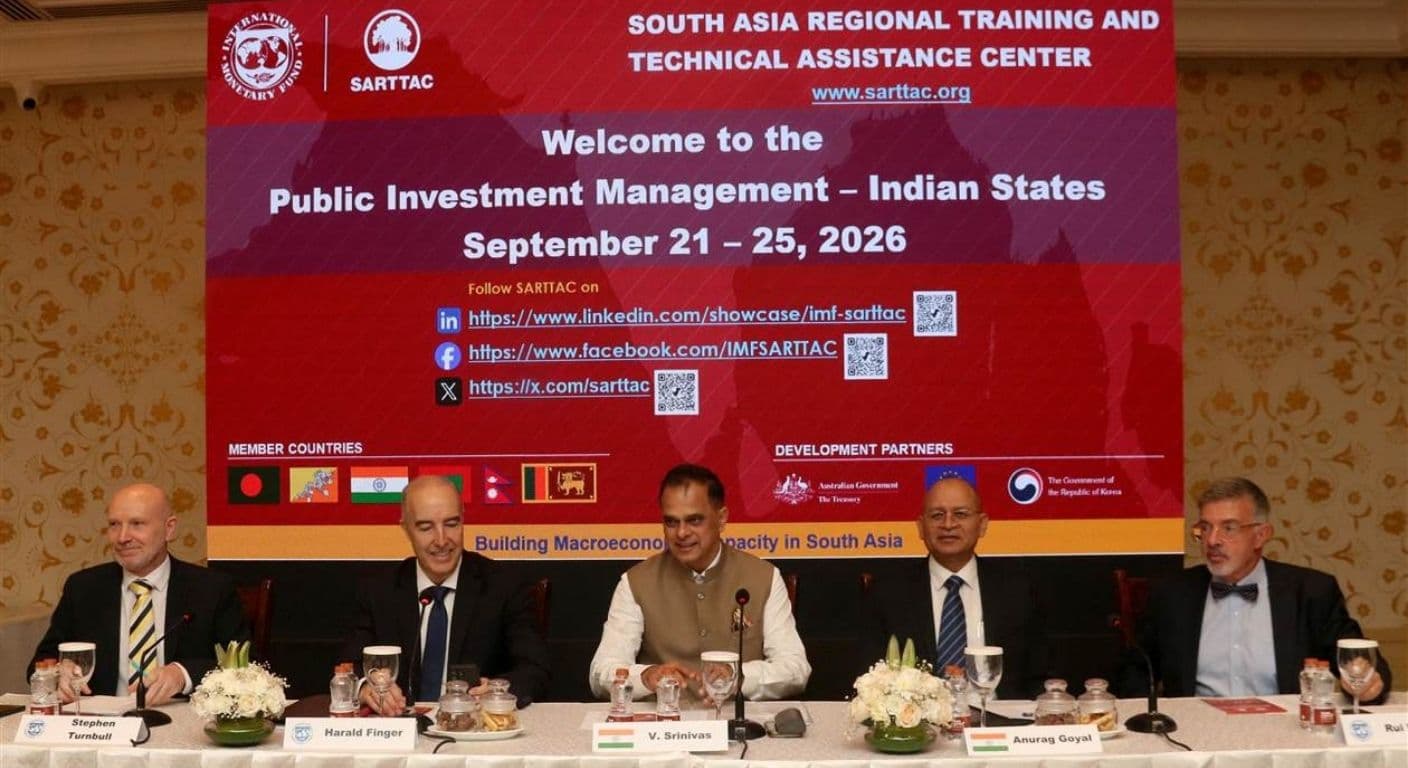
A five-day training programme on public investment management has begun in Jaipur, bringing government officials and fiscal policy experts together to examine how Indian states can plan projects better, complete them on time and generate stronger results from public spending.
The programme is being conducted by the International Monetary Fund's South Asia Regional Training and Technical Assistance Centre, known as SARTTAC. Titled Public Investment Management–Indian States, it opened on September 21 with a focus on turning large public outlays into measurable benefits for communities and the economy.
- Duration: Five days in Jaipur
- Core focus: Timely project delivery, efficient use of resources and better investment outcomes
- Rajasthan context: Investment agreements worth about ₹35 lakh crore have been signed under Rising Rajasthan
- Implementation: Proposals worth around ₹9 lakh crore have reached the grounding stage
Why public investment management matters
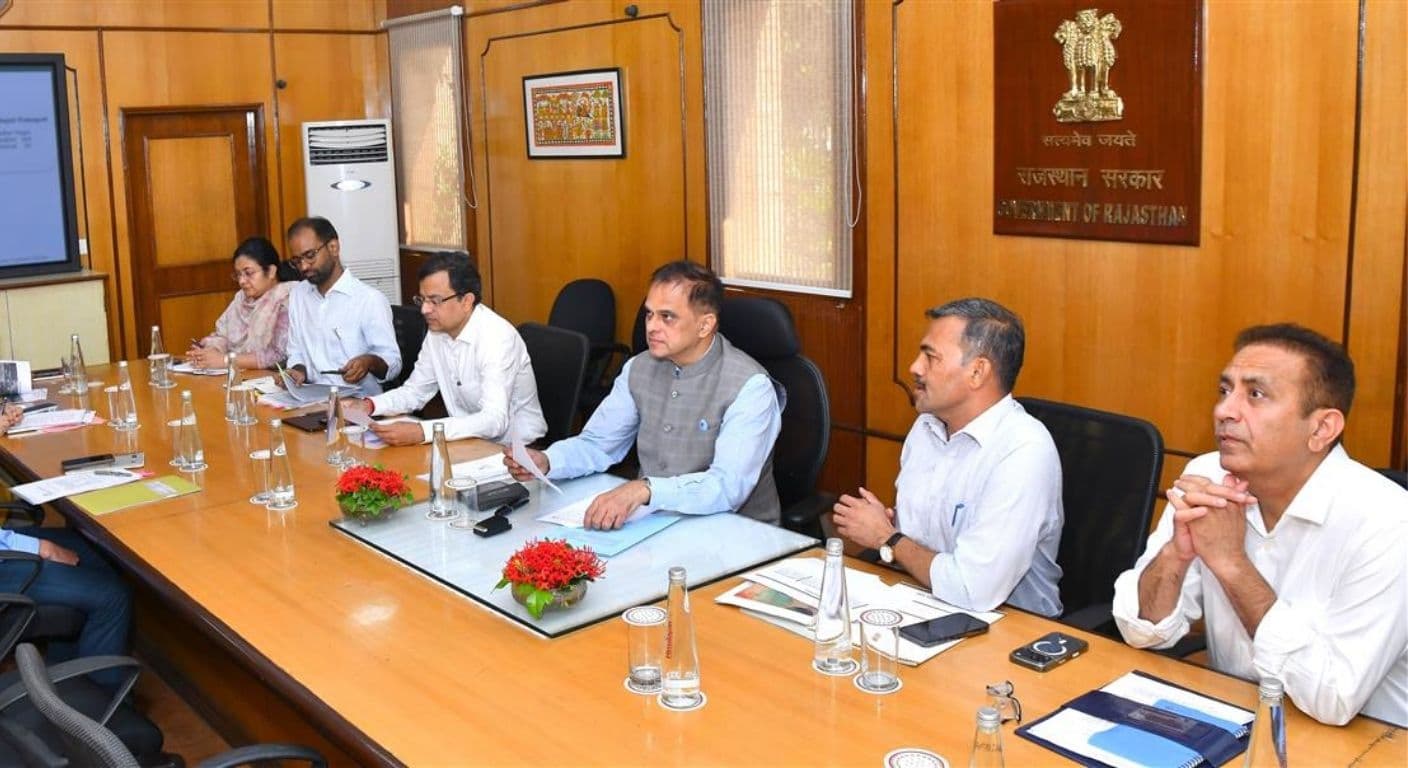
Rajasthan Chief Secretary V. Srinivas said the scale of investment in public projects across India makes disciplined execution essential. Completing work on schedule and using available resources efficiently, he said, are central to ensuring that investment delivers maximum public and economic value.
The impact is not limited to large flagship projects. Continued spending on basic infrastructure such as water and transport has helped improve connectivity in remote parts of Rajasthan, linking more residents with markets and public services.
For Jaipur, hosting the programme places the city at the centre of a wider discussion on how states assess, prioritise and execute infrastructure investment. The practical challenge is not simply approving a project, but managing its full cycle so delays and weak implementation do not reduce its intended benefits.
Rajasthan's investment pipeline in focus
The state's investment programme formed a major part of the opening discussion. Srinivas said agreements valued at approximately ₹35 lakh crore have been signed under Rising Rajasthan, with proposals worth about ₹9 lakh crore already grounded.
| Measure | Figure or status |
|---|---|
| Training programme | Five days in Jaipur |
| Rising Rajasthan investment agreements | About ₹35 lakh crore |
| Investment proposals grounded | About ₹9 lakh crore |
| SARTTAC member countries | Six |
Renewable energy was highlighted as an important part of this pipeline. Rajasthan is seeking to strengthen its position as a major clean-energy hub, while the Bhadla Solar Park was cited as an example of how targeted investment can support growth, energy security and environmental protection at the same time.
The session also covered reforms in financial administration. GST changes were credited with simplifying processes and documentation, while Rajasthan's Cyber Treasury was highlighted for improving transparency and accountability. The treasury-based SNA-SPARSH system was also discussed in the context of moving towards real-time payments.
What SARTTAC brings to Jaipur
SARTTAC is a joint initiative of the IMF, participating South Asian countries and development partners. It combines training with technical assistance to strengthen the institutions and public-sector skills needed for sound macroeconomic and fiscal policy.
Its member countries are India, Bangladesh, Bhutan, Maldives, Nepal and Sri Lanka. SARTTAC Director Harald Finger said the regional centre is designed to help members formulate stronger policies and implement them more effectively.
The inaugural session included specialists from SARTTAC, the IMF's Fiscal Affairs Department, NITI Aayog and Rajasthan's Finance Department. The programme details did not specify the number of participants, a day-by-day agenda or individual projects that may be examined during the training.