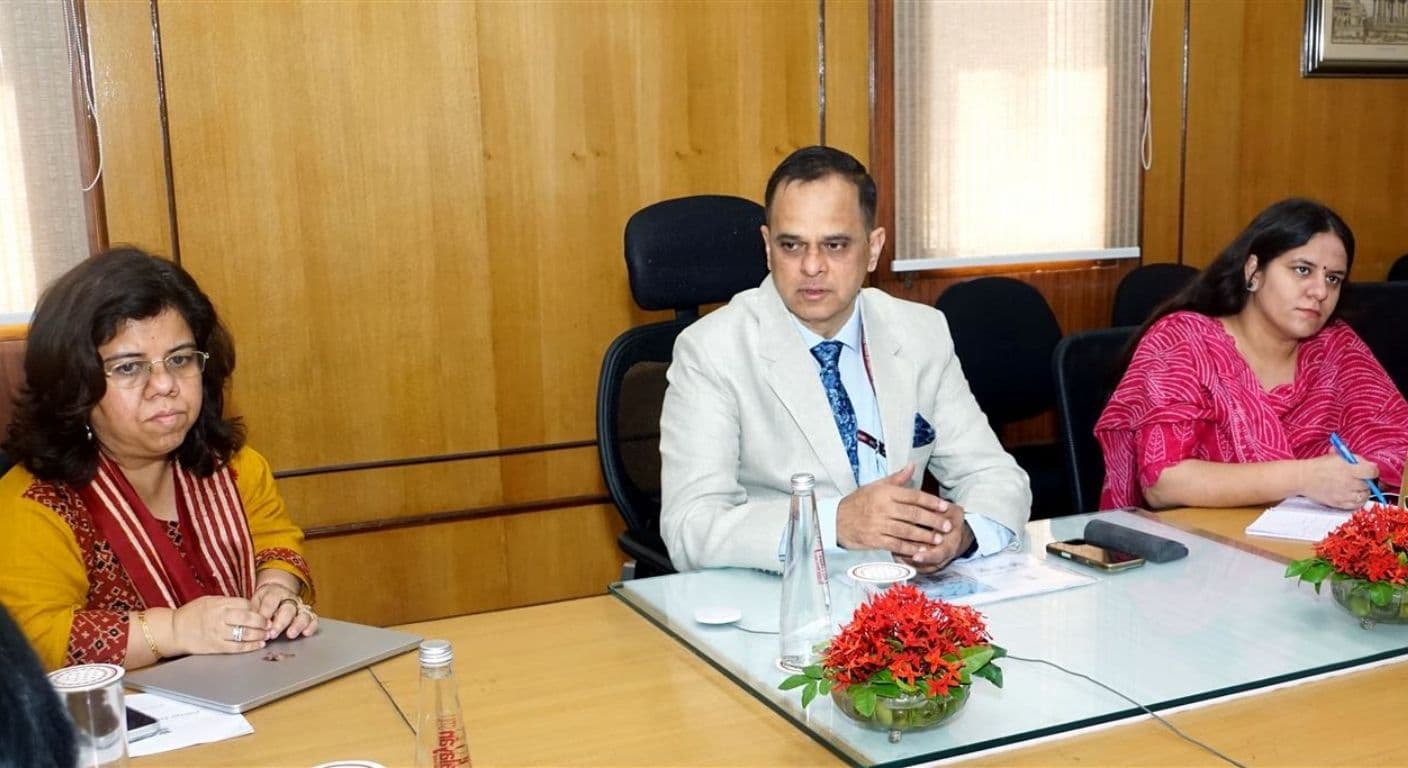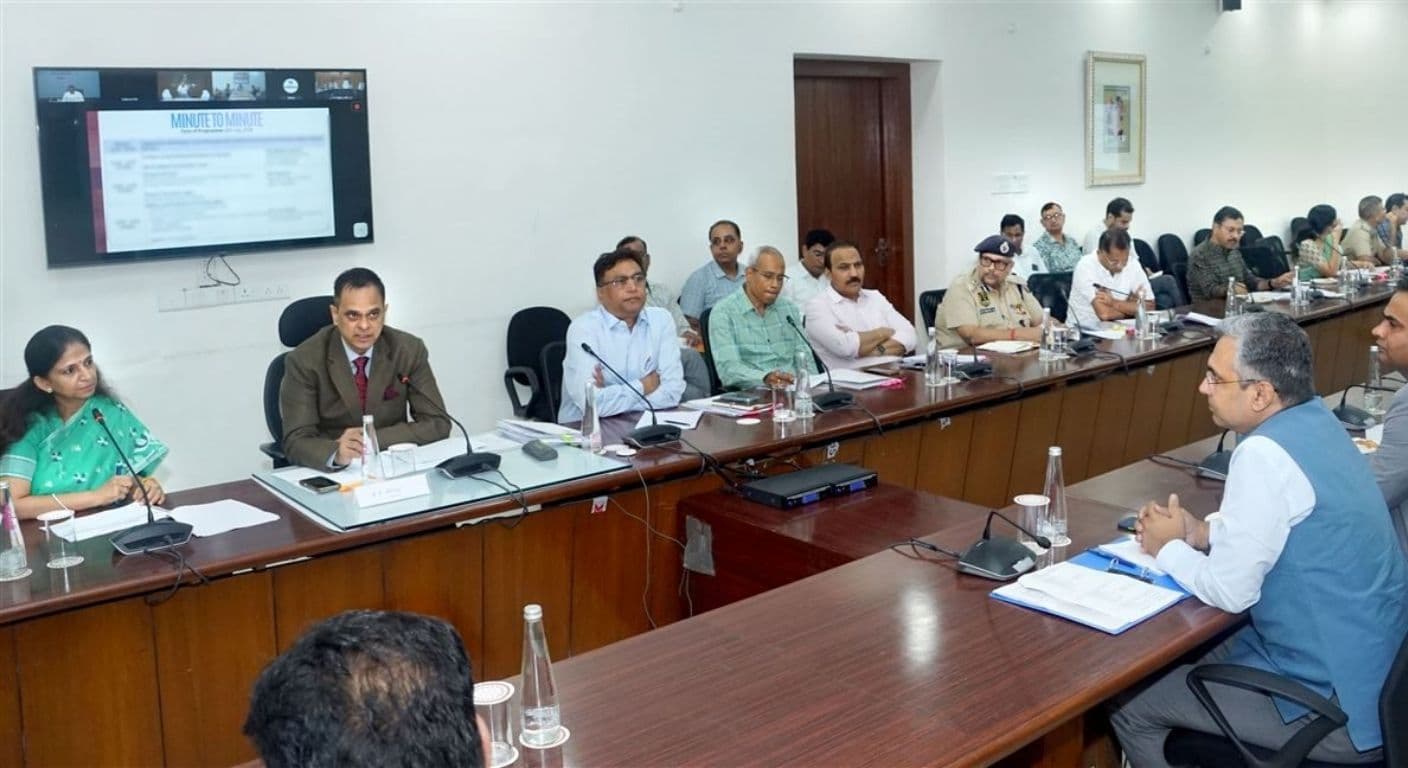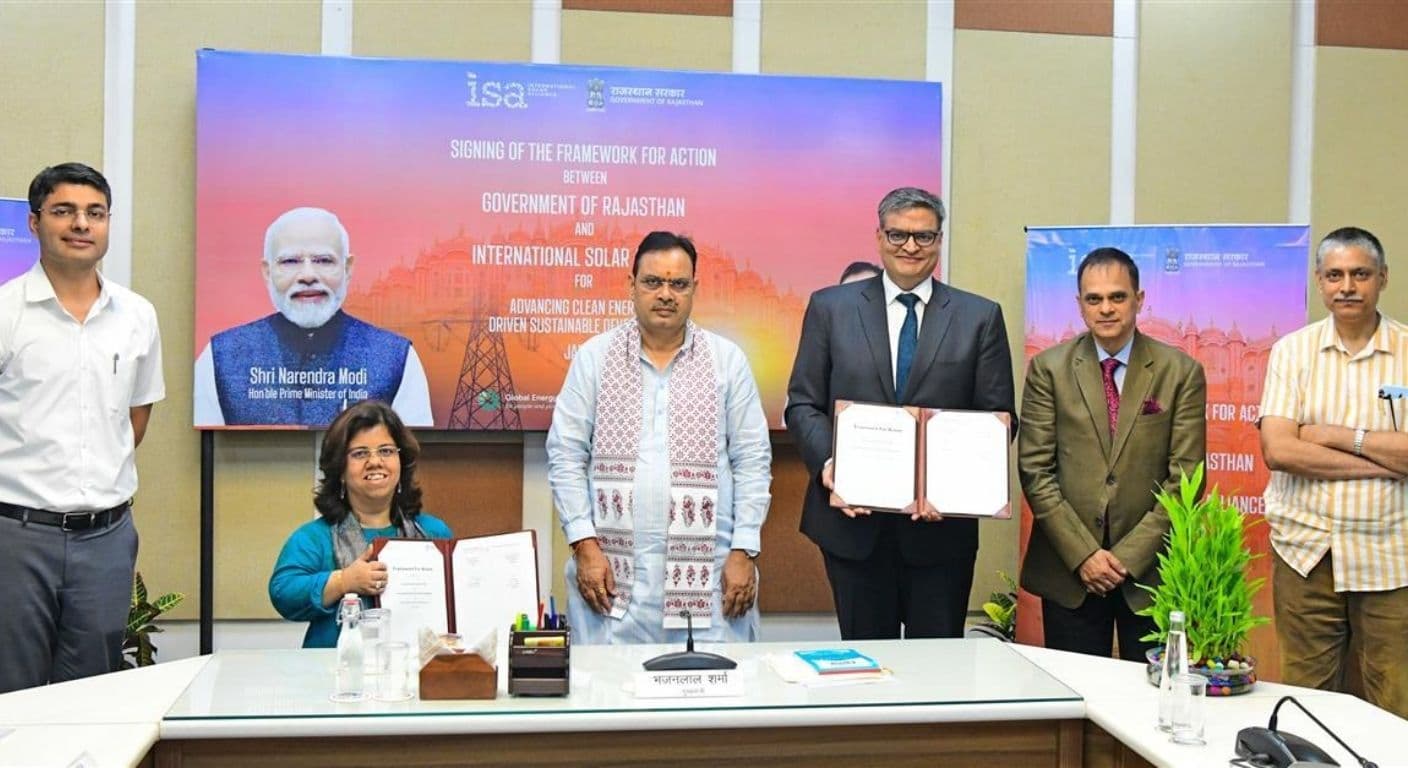

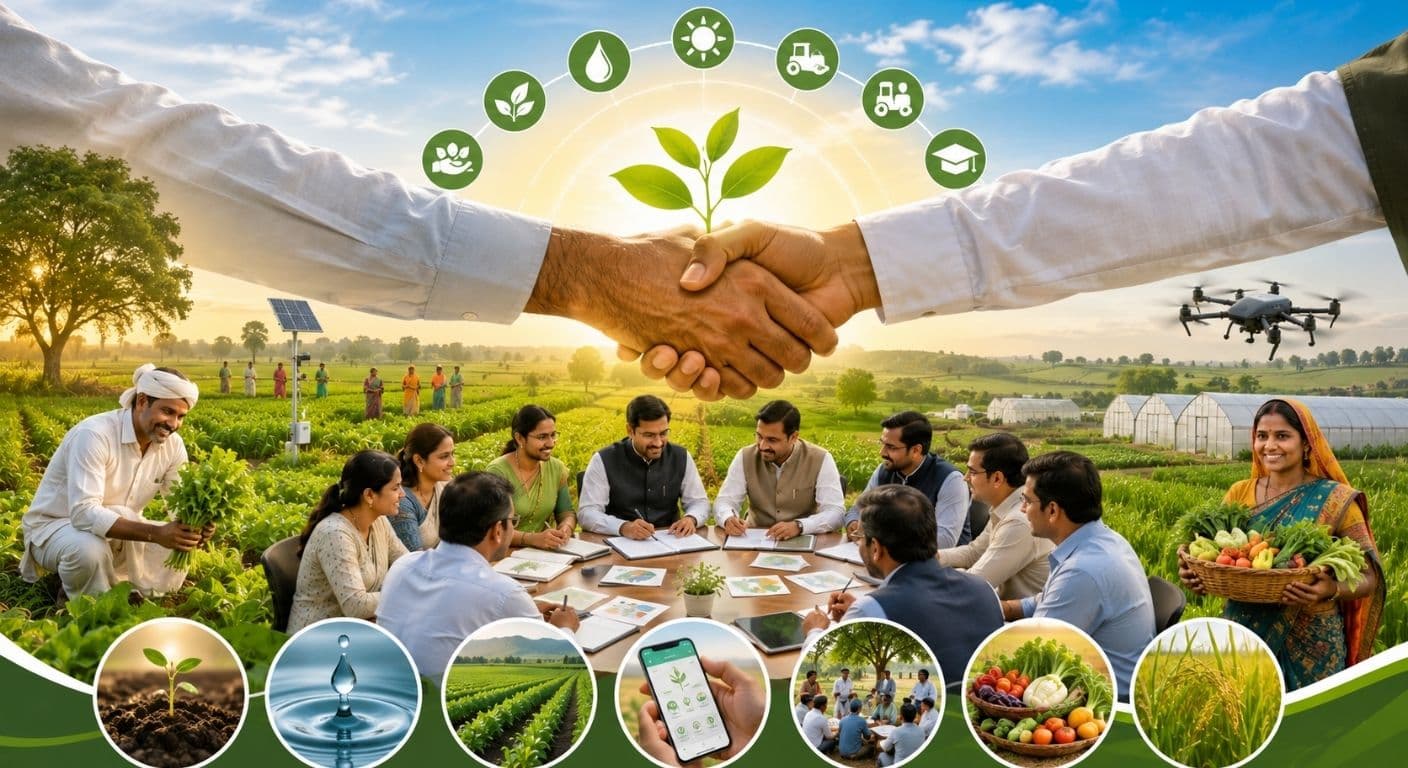
Jaipur is set to become the launch point for a broader state agriculture-collaboration push, when Rajasthan plans to sign non-financial MoUs with more than 30 institutions at Pant Krishi Bhawan. The programme is being positioned as a way to support natural farming, climate-resilient agriculture, soil and water conservation and a more durable rise in farmer incomes without announcing a new direct spending burden on the state.
The significance of the event is that it places the capital at the centre of a statewide farm-policy experiment. Instead of relying only on department-led implementation, the state wants to draw in NGOs, research and teaching institutions, civil-society groups and agritech companies to push practical changes deeper into the field.
Quick Highlights
- Rajasthan plans to sign 30-plus non-financial MoUs in Jaipur.
- The signing programme is scheduled at Pant Krishi Bhawan.
- Partner institutions are expected to include NGOs, research bodies, social organizations and agritech companies.
- Officials said the model will place no additional direct financial burden on the state government.
- Priority areas include natural farming, organic farming, climate-resilient agriculture, soil and water conservation, digital agriculture and farmer training.
- The framework was developed after a January 12, 2026 state-level consultation workshop.
What the MoUs are meant to change
The state is framing the initiative as a response to a cluster of long-running agricultural pressures: climate change, erratic rainfall, falling groundwater levels, declining soil fertility, rising production costs and greater pressure on natural resources. The idea is that these problems can no longer be handled by government departments working alone.
That is why the upcoming Jaipur programme is built around institutional partnerships instead of a narrow scheme announcement. Agriculture Commissioner Naresh Kumar Goyal said the agreements are meant to help the department implement programmes more effectively by drawing on outside expertise, technical capacity, field experience and existing organizational resources.
| Focus area | What the partnership model is expected to support |
|---|---|
| Natural and organic farming | Wider field-level adoption of lower-input and sustainable cultivation practices |
| Climate-resilient agriculture | Better farm responses to erratic rainfall, environmental stress and changing conditions |
| Soil and water conservation | Support for resource protection, groundwater pressure reduction and community management |
| Digital and agritech solutions | Use of modern tools, digital platforms and applied innovation in farm systems |
| Training and market support | Farmer capacity building, market linkages, value addition and agriculture-based entrepreneurship |
Why the non-financial structure stands out
The most distinctive element in the plan is that the MoUs are being described as non-financial. In practical terms, that means the state is not presenting this as a fresh spending package. Instead, partner institutions are expected to contribute through their own expertise, technical strength, experience and other available resources.
That structure could matter if it helps the Agriculture Department move faster without waiting for every intervention to come through a new budget line. It also gives the programme a broader operating base: some organizations are expected to focus on natural and organic farming, others on water conservation and community resource management, while others may work on digital platforms, climate-adapted technologies, research-led models and farmer-facing innovation.
What to watch next
The first checkpoint is whether Friday's programme produces a clear list of participating institutions and concrete work tracks beyond the signing ceremony itself. The next question is whether these partnerships begin turning into visible district-level activity such as training, pilot projects, market-connect work or new natural-farming adoption support.
If that happens, Jaipur's role in the story will be more than ceremonial. The city will have served as the coordination hub for a statewide attempt to push agriculture toward a more collaborative, climate-aware and farmer-income-focused model.