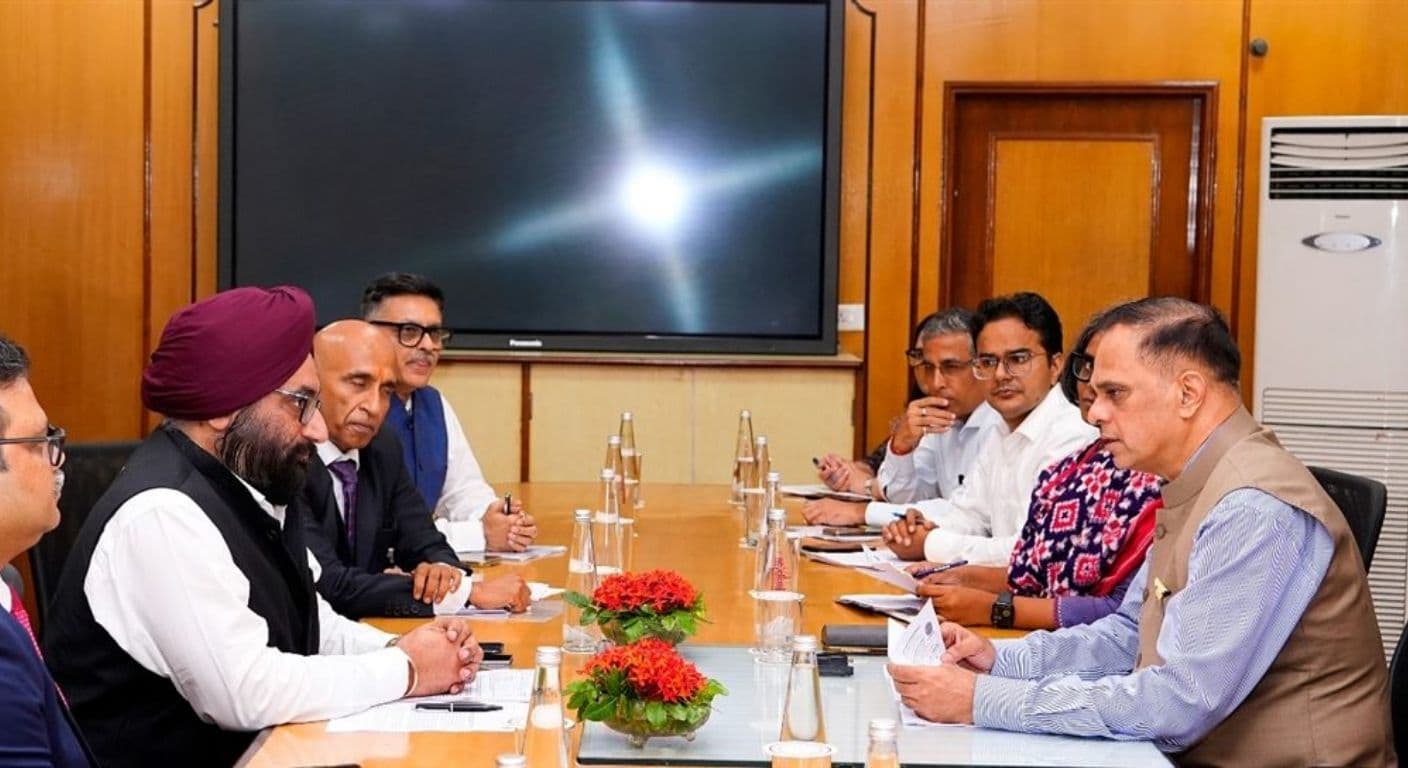

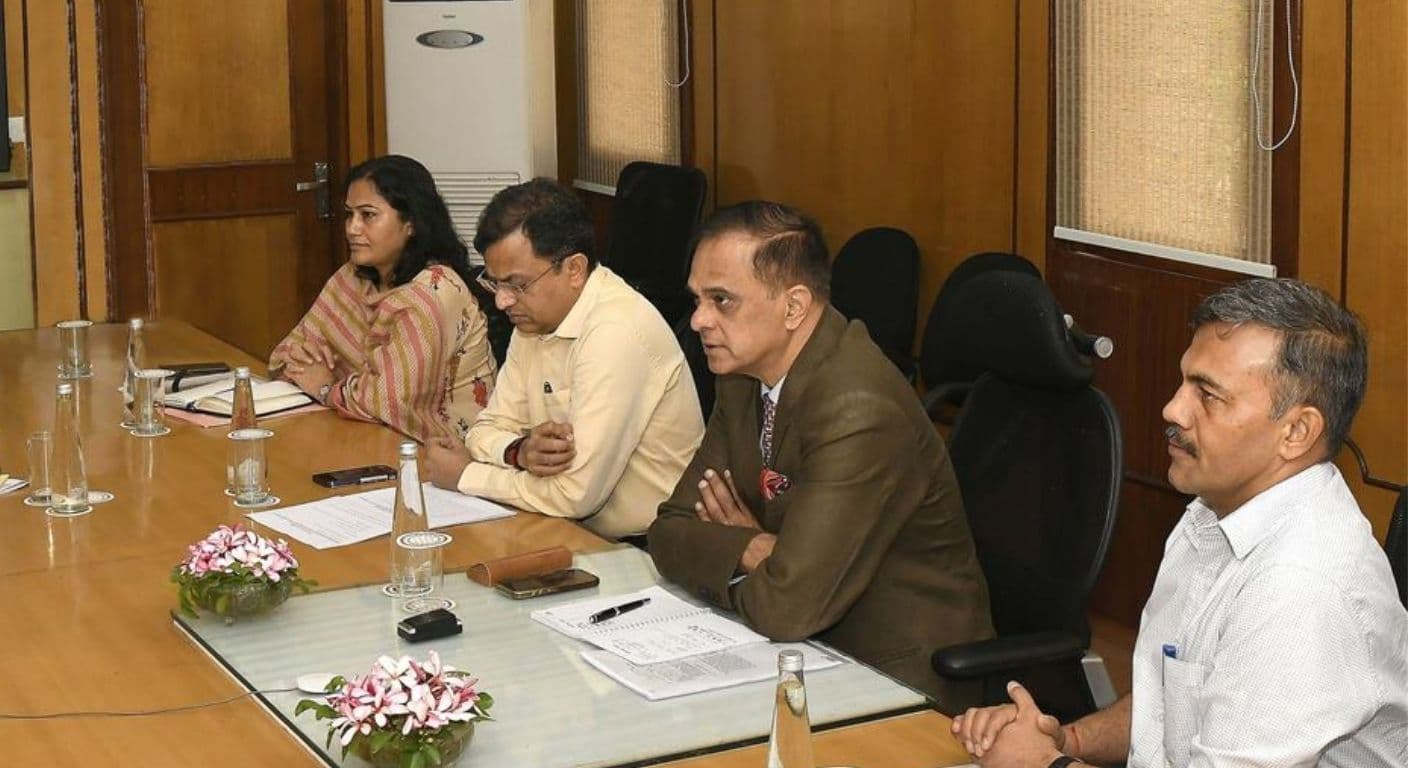
Jaipur is set to receive the largest share of Rajasthan's planned electric-bus expansion after a review in Jaipur said the state has been allocated 1,150 electric buses under the PM e-Bus Seva scheme. At the meeting chaired by Chief Secretary V. Srinivas, officials reviewed the operational groundwork needed to get the buses on the road, including depot readiness, charging stations, funding approvals and coordination between departments.
For Jaipur readers, the immediate headline is simple: the city is lined up for 450 buses, far more than any other city in the state allocation presented at the meeting. That makes Jaipur the center of the rollout both in scale and in the pressure to get charging infrastructure, power systems and depot upgrades ready on time.
Quick Highlights
- Rajasthan has been allocated 1,150 electric buses under the scheme.
- Jaipur is set for 450 buses, the largest city share in the reviewed allocation.
- Officials reviewed depot infrastructure, charging stations and behind-the-meter power infrastructure.
- The state said bus trials have been completed and related infrastructure work is moving quickly.
How the city-wise allocation looks
The allocation table discussed at the meeting puts Jaipur well ahead of the other urban centers in the rollout. Jodhpur and Bikaner are each lined up for 125 buses, while Ajmer, Alwar and Kota are each set for 100. Udaipur, Sikar and Bhilwara are each shown with 50 buses.
| City | Electric buses in the reviewed allocation |
|---|---|
| Jaipur | 450 |
| Jodhpur | 125 |
| Bikaner | 125 |
| Ajmer | 100 |
| Alwar | 100 |
| Kota | 100 |
| Udaipur | 50 |
| Sikar | 50 |
| Bhilwara | 50 |
What the Jaipur review focused on
The meeting was not just about allocations on paper. Officials examined the practical side of the rollout: bus depots, charging infrastructure, the power-side work needed to support large fleets and the financial approvals required to keep the scheme moving. Srinivas directed departments to complete work in a time-bound way and resolve project bottlenecks quickly so the rollout does not stall between approval and operations.
That matters for Jaipur because a 450-bus share will require more than vehicle delivery. It also means depot capacity, charging throughput, maintenance planning and urban-route readiness will all need to move together if the city is to actually use the fleet at scale rather than merely host it on paper.
Why this matters for Jaipur's transport future
If the rollout moves as planned, Jaipur stands to gain the biggest immediate shift toward a cleaner city-bus fleet in Rajasthan. That could matter for day-to-day commuting, emissions, noise levels and the longer-term shape of public transport in a city that already carries a large share of the state's urban travel demand.
The review also tied the scheme to a broader public-transport objective: building a cleaner, greener and more durable urban mobility system. With officials from transport, finance, energy, urban local bodies and JCTSL in the room, the next phase to watch is whether Jaipur's infrastructure work stays ahead of the bus rollout so the biggest allocation in the state can translate into visible service on the ground.