
Breaking: Jaipur's Air Quality Reaches Hazardous Levels
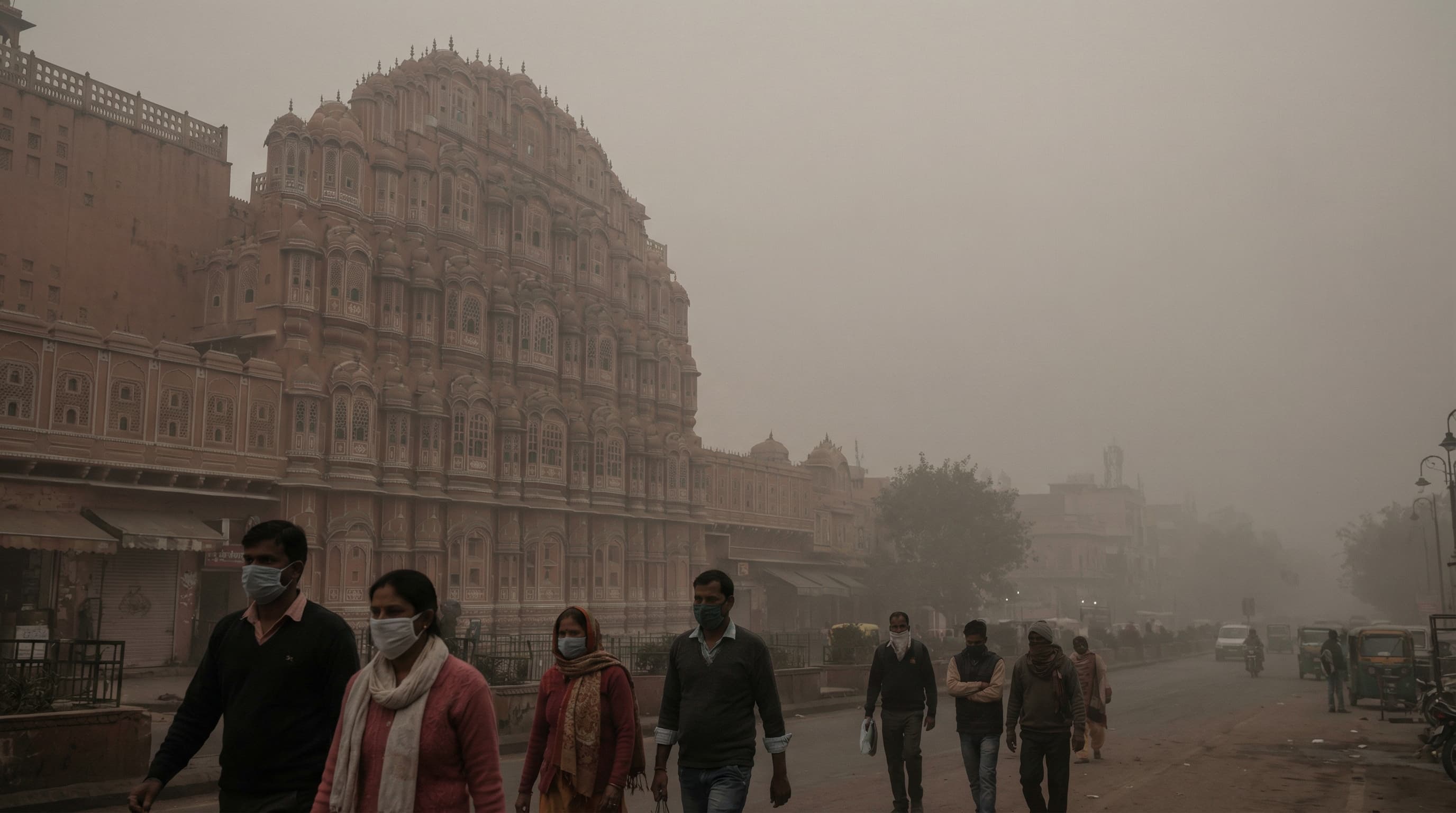
If you've noticed it's harder to breathe lately or the sky looks hazier than usual, you're not imagining things. Jaipur's air quality has taken a dramatic turn for the worse, with the Air Quality Index (AQI) crossing the dangerous 300 mark and reaching a hazardous 333 on November 22, 2025. For a city known as the "Pink City" for its stunning architecture, the air has turned into an invisible health threat affecting millions of residents.
Let's break down what's happening, why it matters, and most importantly—what you can do to protect yourself and your loved ones.
The Numbers That Should Concern You
Current Air Quality Snapshot
As of November 2025, Jaipur is experiencing some of the worst air pollution levels in recent history:
- Peak AQI: 333 (Hazardous) – Recorded at 8:04 AM on November 22, 2025
- Current AQI: 251 (Severe) – Still dangerously high
- PM2.5 Levels: 175 µg/m³ – That's 11.6 times higher than the WHO's recommended guideline of 15 µg/m³
- Worst PM2.5 spike: 217 µg/m³ – Recorded at 7:04 AM on November 22
What Do These AQI Numbers Actually Mean?
Think of the AQI as a health warning system. Here's how to interpret the levels:
| AQI Range | Category | Health Implications | Who's at Risk? |
|---|---|---|---|
| 0-50 | Good | Air quality is satisfactory | Everyone can enjoy outdoor activities |
| 51-100 | Moderate | Acceptable for most people | Unusually sensitive people should consider limiting prolonged outdoor exertion |
| 101-200 | Unhealthy for Sensitive Groups | General public not likely affected | Children, elderly, people with respiratory issues should limit outdoor activities |
| 201-300 | Very Unhealthy | Everyone may experience health effects | Everyone should reduce prolonged or heavy outdoor exertion |
| 301-400 | Hazardous | Health alert: everyone may experience serious effects | Everyone should avoid all outdoor physical activities |
| 401+ | Severe | Emergency conditions: entire population affected | Everyone should remain indoors, keep windows closed |
Jaipur's current situation: With AQI levels at 333, we're firmly in the "Hazardous" category. This isn't just an inconvenience—it's a public health emergency.
What's PM2.5 and Why Should You Care?
You keep hearing about PM2.5, but what exactly is it? PM2.5 refers to particulate matter that's 2.5 micrometers or smaller—that's about 30 times smaller than a human hair. These tiny particles are dangerous because:
- They're invisible to the naked eye – You can't see them, but you're breathing them
- They bypass your body's defenses – Regular nose hairs and mucus can't filter them out
- They penetrate deep into your lungs – And can even enter your bloodstream
- They carry toxic substances – Including heavy metals and carcinogenic compounds
At 175 µg/m³, Jaipur's current PM2.5 levels are creating what health experts describe as "breathing in a toxic soup." To put this in perspective, the WHO recommends no more than 15 µg/m³. We're at nearly 12 times that safe limit.
How Did We Get Here? The Root Causes of Jaipur's Air Crisis
1. Industrial Pollution: The Invisible Culprit
Jaipur's outer areas host over 1,200 small-scale manufacturing units, including:
- Textile dyeing units – Releasing untreated effluents without proper scrubbers
- Marble processing facilities – Generating massive amounts of dust and particulate matter
- Chemical factories – Emitting volatile organic compounds (VOCs)
The data is alarming: These factories have caused a 152% increase in excessive-ozone days per year in 2023-2024. Many operate without proper pollution control equipment, making them major contributors to the city's air quality crisis.
2. The Aravalli Hills Factor
Jaipur's geographical blessing has turned into a pollution trap. The Aravalli hills, once a natural barrier, have been severely damaged by illegal mining. This has two devastating effects:
- Loss of natural air filtration – The hills used to help disperse pollutants
- Pollutant stagnation – With worn-down hills, air circulation has decreased dramatically
3. Meteorological Conditions Making Things Worse
November 2025 has brought particularly unfavorable weather conditions:
- Low wind speeds – Averaging only 5 km/h this month
- Temperature inversions – Trapping pollutants close to ground level
- Reduced dispersion – Pollutants have nowhere to go, creating what meteorologists call a "carcinogenic soup"
4. Open Waste Burning
A less talked-about but significant contributor: Jaipur's large garbage disposal heaps frequently catch fire, particularly during summer months. These fires release:
- Black carbon – A major climate pollutant
- Volatile organic compounds (VOCs) – Toxic gases that harm respiratory systems
- Dioxins and furans – Known carcinogens
5. Vehicular Emissions and Construction Dust
With Jaipur's growing population and ongoing infrastructure development, two additional factors play significant roles:
- Vehicle exhaust – Thousands of cars, bikes, and commercial vehicles on roads daily
- Construction activities – Generating massive amounts of PM10 (coarser particulate matter)
The Human Cost: Health Impact You Can't Ignore
Immediate Health Effects
When AQI crosses 300, your body starts showing symptoms within hours:
- Difficulty breathing and shortness of breath
- Persistent coughing and throat irritation
- Watery or burning eyes
- Headaches and fatigue
- Chest tightness and discomfort
- Worsening of existing conditions like asthma
Long-Term Health Consequences
Prolonged exposure to such high pollution levels carries serious risks:
Respiratory Diseases:
- Asthma development or worsening
- Chronic Obstructive Pulmonary Disease (COPD)
- Bronchitis and other chronic lung conditions
- Reduced lung function, especially in children
Cardiovascular Problems:
- Increased risk of heart attacks
- Strokes
- Hypertension (high blood pressure)
- Irregular heartbeat
Life Expectancy Impact:
Health professionals warn that living in areas with such high pollution levels could reduce life expectancy by up to five years. That's not a minor statistic—it's years of your life literally breathed away.
Who's Most at Risk?
While everyone is affected, certain groups face higher dangers:
- Children – Their lungs are still developing, making them particularly vulnerable
- Elderly people – Often have weakened immune systems and existing health conditions
- Pregnant women – Pollution can affect fetal development
- People with existing conditions – Asthma, diabetes, heart disease patients face amplified risks
- Outdoor workers – Traffic police, construction workers, delivery personnel with constant exposure
Hospital Data Tells the Story
Jaipur's hospitals have reported a significant uptick in respiratory-related admissions during November 2025:
- Emergency room visits for breathing difficulties up by approximately 40%
- Pediatric asthma cases showing sharp increases
- Pharmacies reporting higher demand for inhalers and respiratory medications
How to Protect Yourself and Your Family
Immediate Actions You Can Take Today
1. Limit Outdoor Exposure
- Avoid outdoor activities, especially between 6 AM - 10 AM when pollution peaks
- If you must go out, keep it brief and avoid strenuous activities
- Reschedule morning walks and exercise to indoor activities
2. Keep Windows and Doors Closed
- Seal your home as much as possible to prevent outdoor air from entering
- Use door draft stoppers
- Consider weather stripping for windows
3. Use Air Purifiers
- Invest in HEPA filter air purifiers for bedrooms and main living areas
- Run purifiers continuously during high pollution days
- Budget option: Even a single purifier in the bedroom helps during sleep hours
4. Wear N95 or N99 Masks
- When going outside is unavoidable, wear properly fitted N95/N99 masks
- Regular surgical masks don't filter PM2.5 effectively
- Make sure the mask seals properly around your nose and mouth
5. Stay Hydrated
- Drink plenty of water to help your body flush out toxins
- Warm water with honey and lemon can soothe irritated throats
6. Monitor AQI Levels Daily
- Check real-time AQI apps like AQI.in, IQAir, or government CPCB apps
- Plan your day around pollution levels
- Set up air quality alerts on your phone
For Parents: Protecting Your Children
- Keep children indoors during high pollution days
- Avoid sending kids to outdoor sports/activities when AQI > 200
- Ensure schools have proper ventilation and air purification systems
- Watch for symptoms like persistent cough or wheezing
- Consult a pediatrician if respiratory symptoms appear
For People with Existing Conditions
- Keep rescue inhalers and medications easily accessible
- Follow your doctor's action plan for high pollution days
- Consider consulting your doctor about increasing medication during severe pollution episodes
- Monitor symptoms closely and seek medical help if they worsen
What About Solutions? Can Jaipur's Air Get Better?
Short-Term Government Actions Needed
- Emergency response protocols – Similar to Delhi's odd-even vehicle scheme during severe pollution days
- Construction bans – Temporary halts on non-essential construction activities
- Industrial monitoring – Immediate inspections and penalties for units violating emission norms
- Water sprinkling – On major roads to settle dust particles
- Public transport incentives – Encouraging people to use buses and metro
Long-Term Structural Changes
Industrial Reform:
- Mandatory installation of pollution control equipment in all manufacturing units
- Relocation of highly polluting industries away from residential areas
- Regular emissions audits and strict penalties for violations
- Incentives for industries adopting cleaner technologies
Green Infrastructure:
- Massive tree plantation drives, particularly along major roads
- Protection and restoration of Aravalli hills
- Creating green belts around industrial zones
- Urban forests and vertical gardens in dense city areas
Waste Management:
- Modern waste-to-energy plants to eliminate open burning
- Strict enforcement against garbage burning
- Better segregation and recycling systems
Transportation:
- Expansion of metro network
- Electric bus fleet expansion
- Dedicated cycling lanes
- Incentives for electric vehicle adoption
- Better traffic management to reduce congestion
What You Can Do Beyond Personal Protection
Individual actions, when multiplied across millions, make a difference:
- Use public transport – Even once or twice a week makes an impact
- Carpool – Share rides with colleagues or neighbors
- Plant trees – In your home, neighborhood, or community spaces
- Avoid burning – Never burn leaves, garbage, or waste
- Report violations – Use apps to report industries or sites causing pollution
- Spread awareness – Talk to friends and family about air quality issues
- Support clean energy – Install solar panels if possible
- Vote and advocate – Support leaders who prioritize environmental policies
Comparing Jaipur to Other Cities
How does Jaipur stack up against other Indian cities during this pollution episode?
| City | Recent Peak AQI | Status |
|---|---|---|
| Delhi | 350-450 | Severe to Hazardous |
| Jaipur | 333 | Hazardous |
| Lucknow | 280-320 | Very Unhealthy to Hazardous |
| Kanpur | 300-350 | Hazardous |
| Mumbai | 150-180 | Unhealthy |
| Bengaluru | 100-130 | Moderate to Unhealthy for Sensitive Groups |
Recent reports indicate that Jaipur has emerged as India's third most polluted city, with air quality "as bad as Delhi" during peak pollution periods. This is a significant shift for a city that wasn't traditionally associated with severe air pollution.
The Economic Cost of Bad Air
Beyond health, poor air quality affects Jaipur economically:
- Tourism impact – Visitors may reconsider travel plans during pollution episodes
- Productivity loss – Sick days increase, work efficiency decreases
- Healthcare costs – Families spend more on medical treatments and preventive measures
- Real estate – Property values may decline in highly polluted areas
Monitoring Resources: Stay Informed
Knowledge is power. Here are reliable sources to track Jaipur's air quality:
Official Government Sources:
- Central Pollution Control Board (CPCB) – cpcb.nic.in
- Rajasthan State Pollution Control Board – Real-time monitoring stations
- India Meteorological Department (IMD) forecasts
Mobile Apps and Websites:
- AQI India (aqi.in) – Real-time data with health recommendations
- IQAir (iqair.com) – Global air quality platform
- AQICN.org – World Air Quality Index Project
- AccuWeather Air Quality Index
Key Monitoring Stations in Jaipur:
- Adarsh Nagar
- Shastri Nagar
- Dholai
- Mansarovar
A Word of Hope: Things Can Change
While the current situation is serious, it's not hopeless. Cities around the world have successfully tackled air pollution:
- Beijing, China – Reduced PM2.5 by 35% through strict industrial controls and vehicle restrictions
- Los Angeles, USA – Transformed from one of the most polluted cities to much cleaner air through decades of regulation
- London, UK – Overcame the deadly "Great Smog" through clean air acts and emission controls
Jaipur can follow similar paths, but it requires commitment from government, industries, and citizens alike.
Conclusion: Your Health, Your Choice, Your Voice
Jaipur crossing the AQI 300 mark isn't just a statistic—it's a wake-up call. Every breath you take in this polluted air carries risks, but every action you take to protect yourself and push for change makes a difference.
Here's what you should remember:
- Current AQI levels (333 peak, 251 current) are hazardous to everyone's health
- PM2.5 at 11.6 times WHO guidelines poses serious immediate and long-term health risks
- Multiple factors—industrial pollution, geographical conditions, weather—are combining to create this crisis
- Protecting yourself requires immediate action: stay indoors, use purifiers, wear N95 masks when necessary
- Long-term solutions exist, but need political will and public pressure
The air we breathe shouldn't be a luxury—it's a fundamental right. Stay safe, stay informed, and most importantly, stay vocal about demanding cleaner air for Jaipur.
Frequently Asked Questions (FAQs)
What does AQI 300+ mean for my daily life?
AQI above 300 means the air is hazardous to everyone's health. You should avoid all outdoor activities, keep windows closed, use air purifiers, and wear N95 masks if you must go outside. Even healthy individuals will experience health effects at this level.
Is it safe to send children to school when AQI crosses 300?
No, it's highly risky. Children's lungs are still developing, making them extremely vulnerable to pollution. Consider keeping children home, request schools to conduct online classes, or ensure schools have proper air purification systems if attendance is mandatory.
Will a regular cloth mask protect me from pollution?
No, regular cloth or surgical masks don't filter PM2.5 particles effectively. You need N95 or N99 rated masks that are properly fitted to your face. These masks can filter out 95% or more of fine particulate matter.
How long will Jaipur's air quality remain this bad?
Air quality typically improves with changing weather patterns, increased wind speeds, and rainfall. However, without addressing root causes like industrial emissions and vehicle pollution, we may see recurring pollution episodes annually, especially during winter months.
Can air purifiers really make a difference indoors?
Yes, HEPA filter air purifiers can significantly reduce indoor PM2.5 levels. Studies show they can reduce indoor particulate matter by 50-80% when used properly in sealed rooms. While they don't solve the outdoor problem, they create safer indoor environments.
What is the government doing about Jaipur's air pollution?
Government actions include monitoring through CPCB stations, issuing health advisories, and periodic inspections of industrial units. However, more aggressive measures like emergency action plans, stricter enforcement, and long-term infrastructure investments are needed to address this crisis effectively.
⚠️ Health Alert: This article is based on air quality data from November 2025. AQI levels change frequently. Please check real-time air quality monitoring apps and websites for current conditions before planning outdoor activities. If experiencing severe respiratory symptoms, seek immediate medical attention.