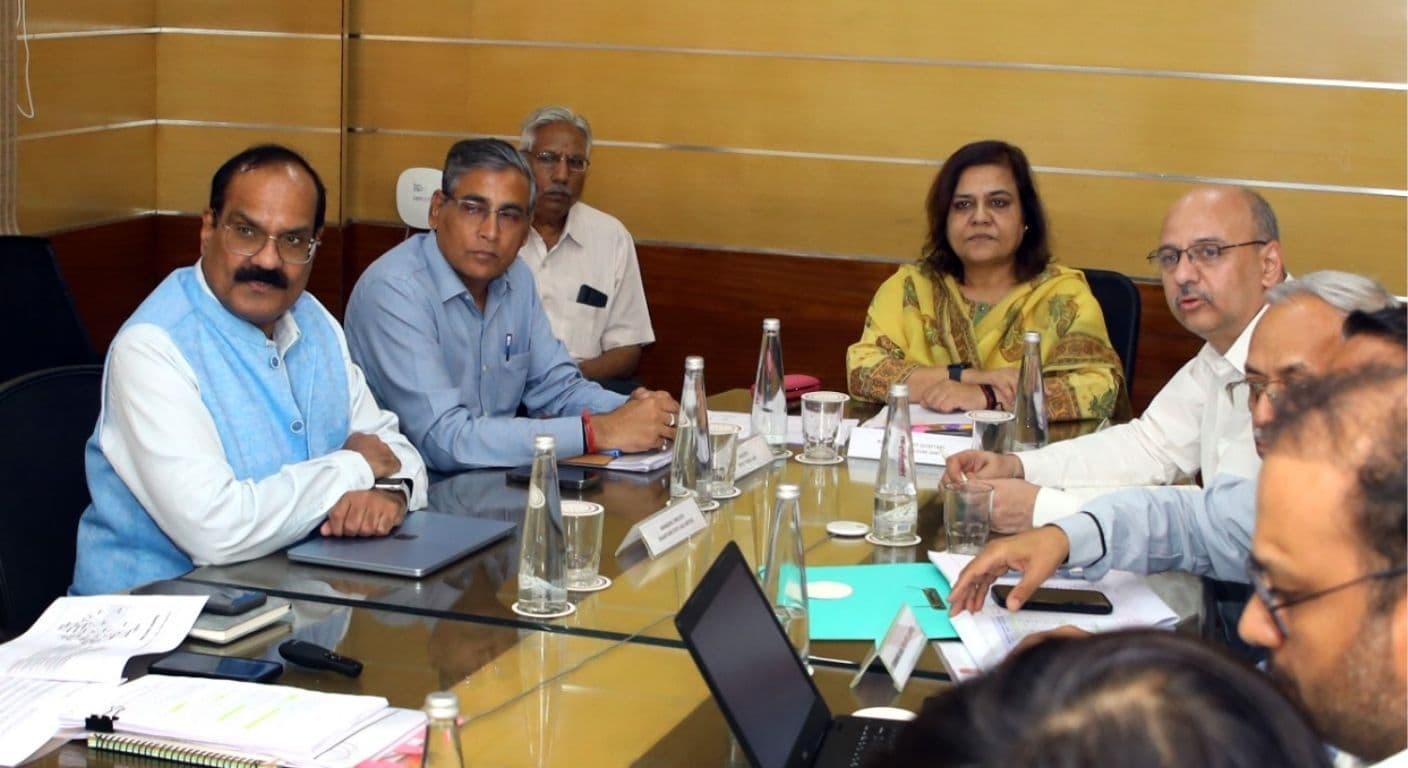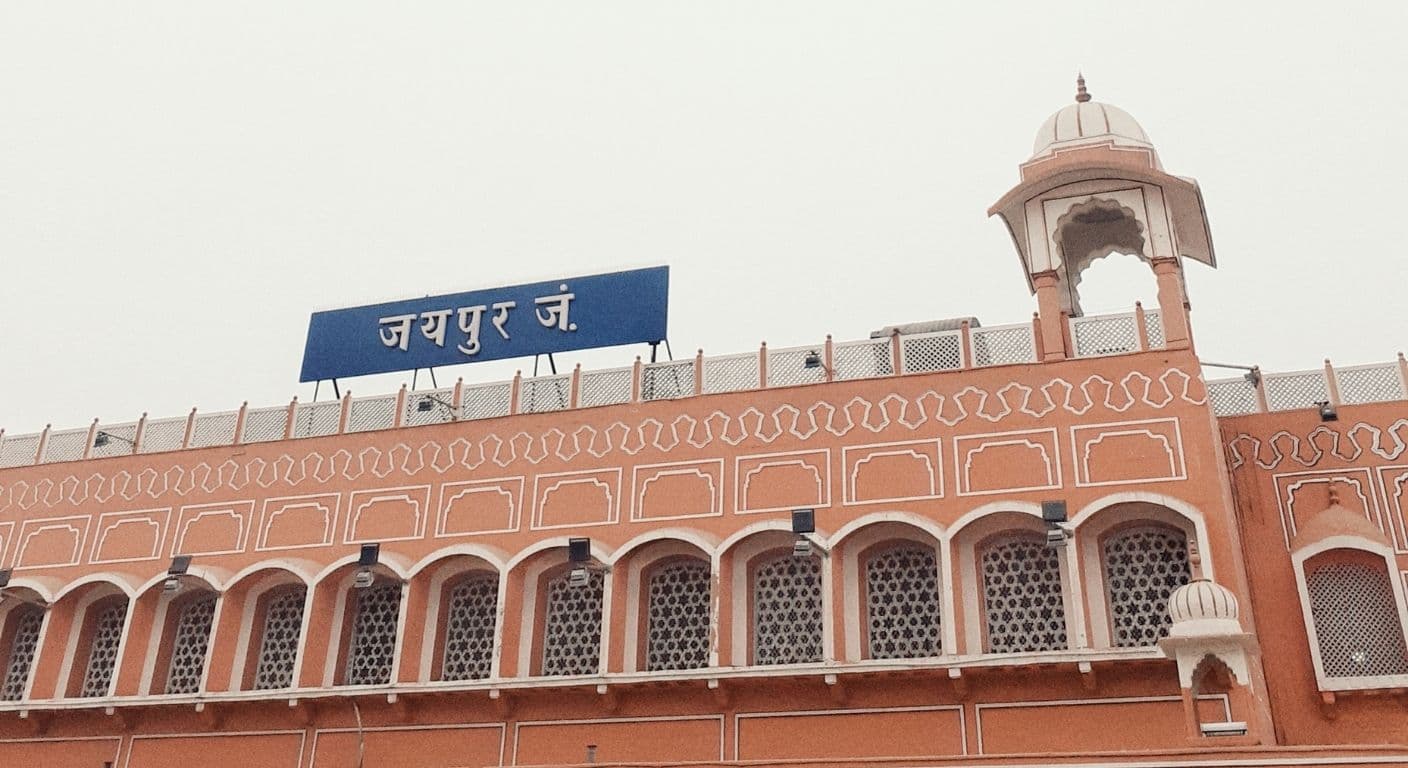

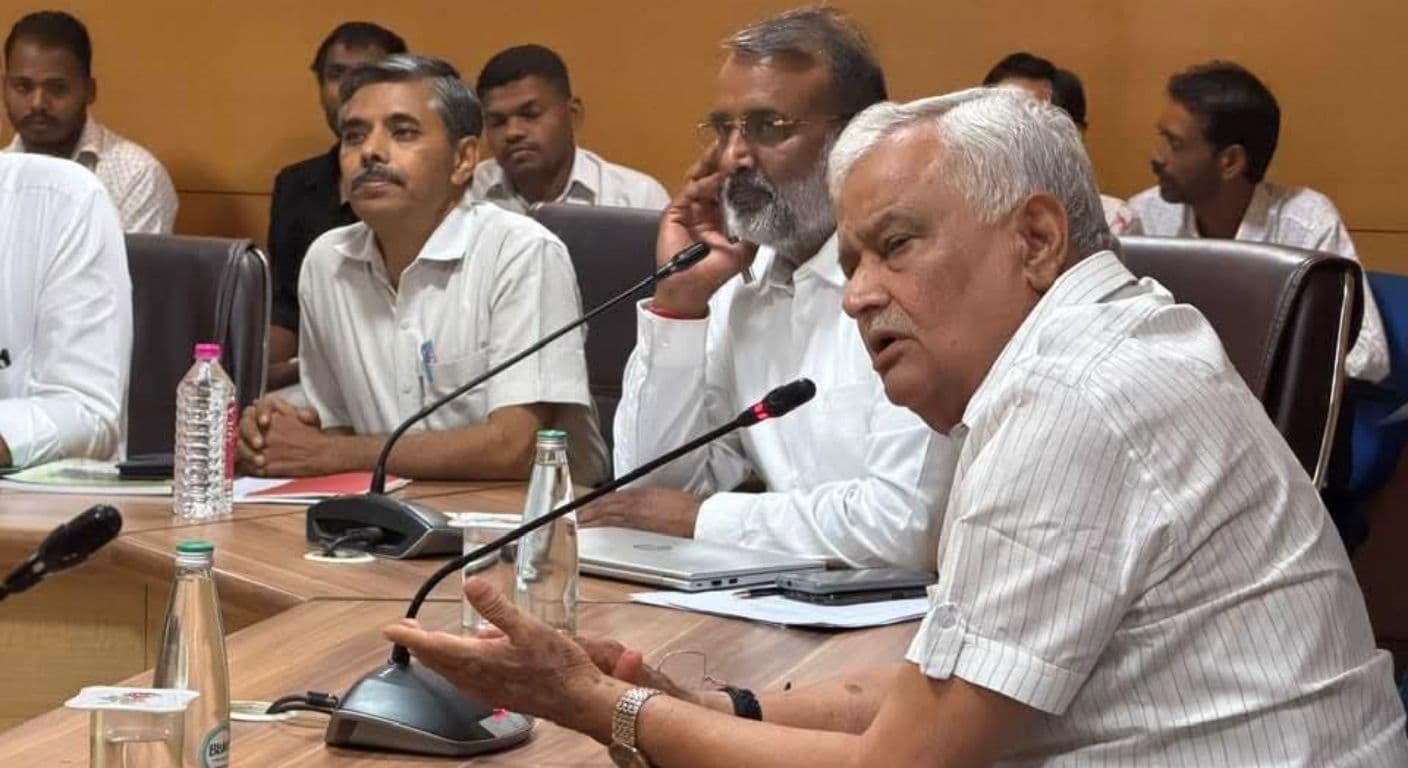
Jaipur has become the coordination point for Rajasthan's next bamboo-economy push after a two-day state seminar on the National Bamboo Mission concluded in Durgapura on April 1, 2026. The event brought together about 100 stakeholders from 12 districts as officials outlined a proposed Rs 303.79 lakh annual plan for 2026-27 covering bamboo nurseries, plantations, training and common facility support.
For Jaipur readers, the significance is bigger than the venue itself. The city is now hosting the policy conversations that could shape how bamboo cultivation, rural enterprise and climate-resilient livelihoods are expanded across southern and southeastern Rajasthan in the year ahead.
Quick Highlights
- The two-day seminar concluded in Jaipur after being inaugurated by Agriculture Minister Dr Kirodi Lal.
- About 100 participants from 12 districts joined the discussions on bamboo cultivation, processing and entrepreneurship.
- Rajasthan has already approved a Rs 93.38 lakh work plan for 2025-26 under the mission's revived innovation track.
- A larger Rs 303.79 lakh plan for 2026-27 has been sent to the Union government for nurseries, plantations, common facility centres and training.
- Officials said bamboo is already present in about 2.5 percent of the state's forest area and remains an important livelihood base in tribal regions.
What was discussed in Jaipur
The seminar was held at a state agriculture management institute in Durgapura, Jaipur and focused on how bamboo can move from a niche crop to a wider rural-economy opportunity. Participants came from Dungarpur, Banswara, Udaipur, Sirohi, Rajsamand, Pali, Chittorgarh, Salumber, Kota, Baran, Jhalawar and Pratapgarh, reflecting the districts where expansion potential is seen as strongest.
Officials and experts framed bamboo as a fast-growing, multi-use and environmentally supportive crop that can help with soil conservation, support climate adaptation and open up fresh livelihood options through cultivation, processing and value-added enterprise. The seminar also covered bamboo-based farming possibilities, plantation and crop management, post-harvest handling, marketing, supply chains, agroforestry, nursery development and e-commerce.
How the mission spending is shaping up
The numbers discussed in Jaipur suggest that the bamboo mission is moving from awareness-building into a more structured rollout. Rajasthan has already cleared a Rs 93.38 lakh work plan for 2025-26, and the proposed outlay for 2026-27 is more than three times higher at Rs 303.79 lakh.
| Plan period | Amount | Main focus |
|---|---|---|
| 2025-26 | Rs 93.38 lakh | Training, interstate exposure visits, a state seminar and high-tech nursery development. |
| 2026-27 | Rs 303.79 lakh | Bamboo nurseries, plantations, common facility centres and training programmes across 12 districts. |
That scale-up matters because the state is trying to connect bamboo not only to plantation activity but also to processing and entrepreneurship. If the 2026-27 proposal is approved and executed on schedule, it could support more local value addition instead of treating bamboo only as a raw-resource story.
Why officials see room for growth
Experts at the seminar said Rajasthan's agro-climatic diversity, especially in the southern belt, gives the state significant room to expand bamboo cultivation. They noted that bamboo is already available in around 2.5 percent of Rajasthan's forest area, where it remains closely tied to livelihoods in tribal regions.
A panel discussion on expanding Rajasthan's bamboo economy added to that argument by linking the crop to rural enterprise, market development and network-building among growers, researchers and administrators. Farmer-scientist dialogue sessions and participant feedback rounds were also held, giving the event a practical focus rather than keeping it at the level of policy messaging alone.
What happens next
The immediate next step is the Union government's consideration of Rajasthan's 2026-27 annual plan. Once funding and implementation approvals are aligned, the state wants to move ahead with nurseries, plantation activity, training and shared infrastructure in the identified districts.
For Jaipur, that means the city is likely to remain the administrative and knowledge hub for this bamboo push even if most field activity happens elsewhere. If the programme moves as planned, the impact to watch will be whether bamboo begins generating stronger rural incomes, better processing capacity and a more visible enterprise ecosystem beyond pilot-level work.