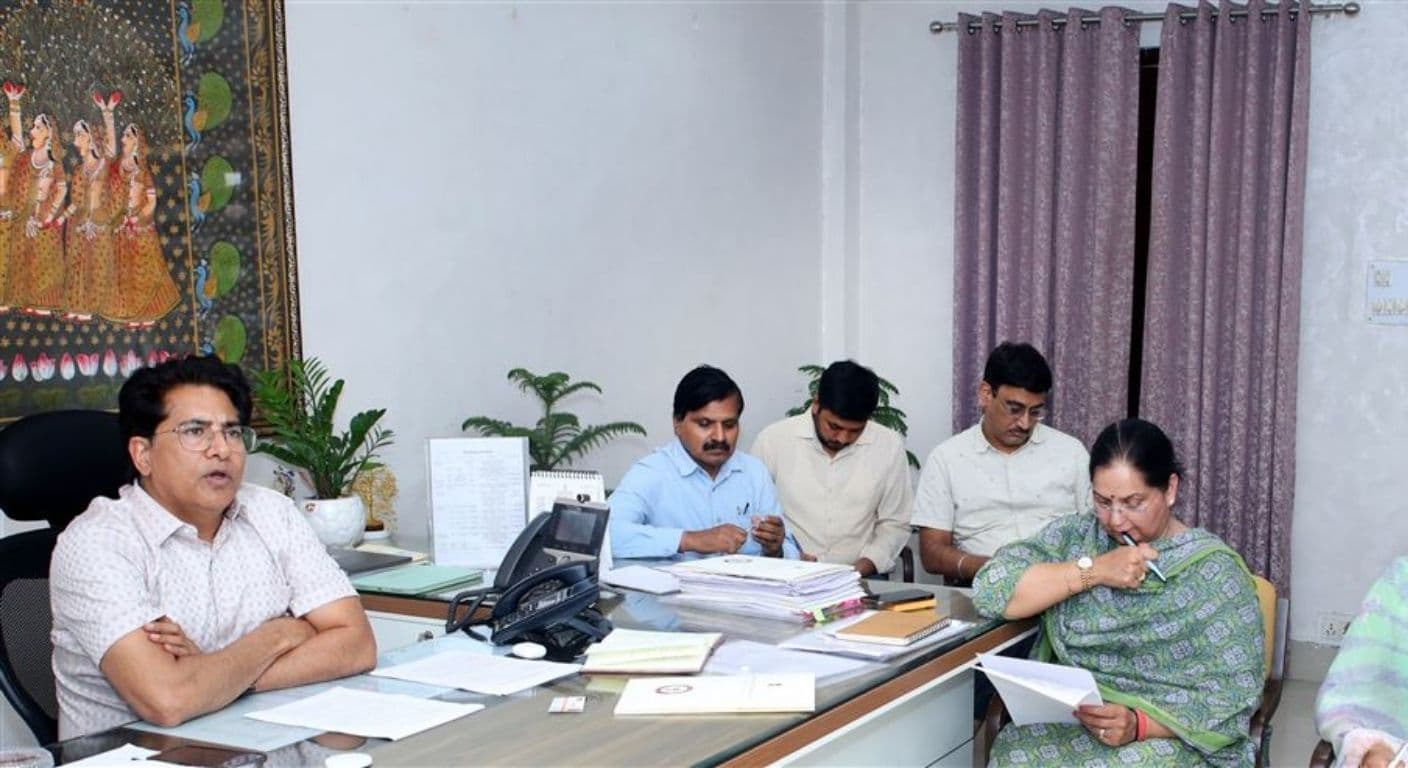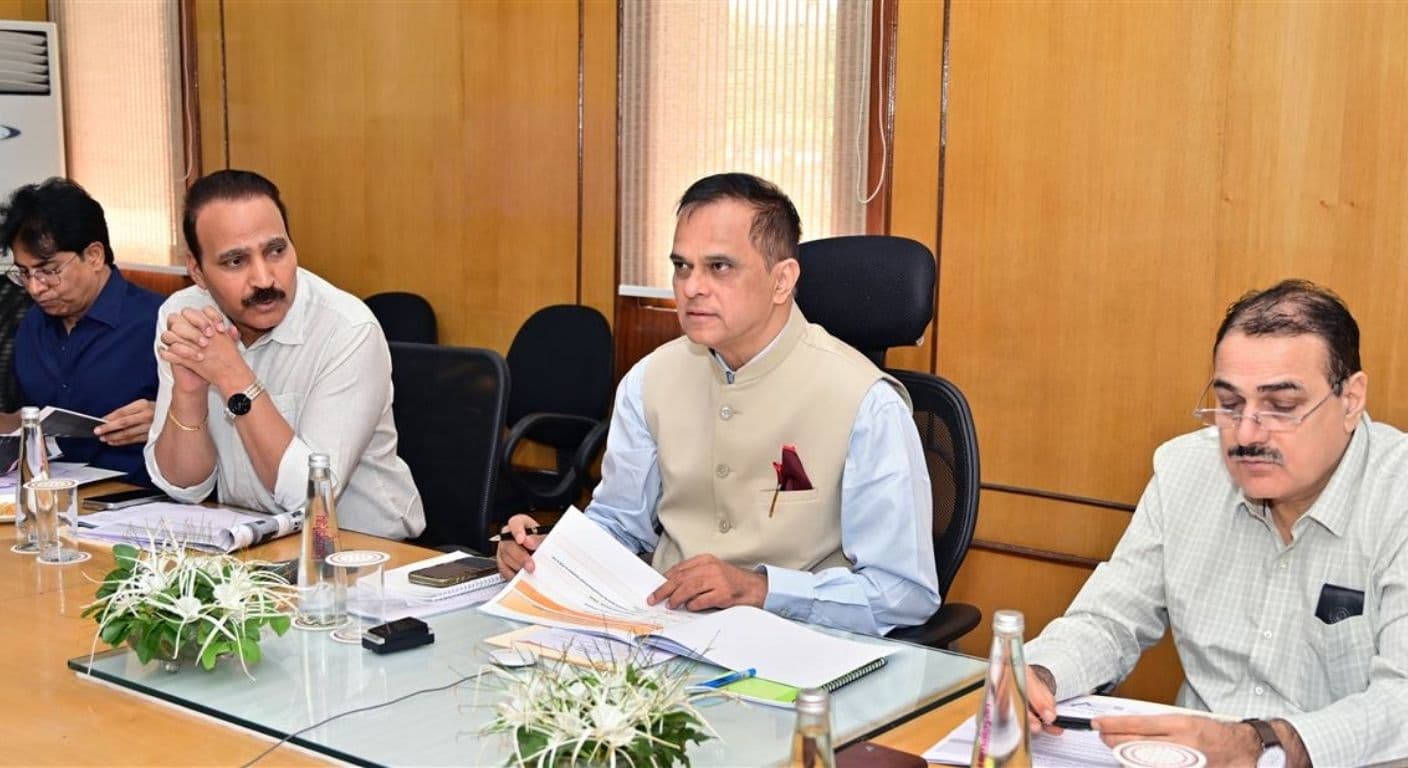

Jaipur became the centre of a wider cooperation-sector discussion on July 3, 2026, when a policy dialogue at RISEM in Jhalana Institutional Area brought Rajasthan State Service trainee officers together to discuss how cooperatives can shape both daily life and government-facing service delivery. The session positioned National Cooperative Policy 2025 as more than a policy document: it was framed as a practical roadmap for digitisation, transparency and quicker citizen-facing systems.
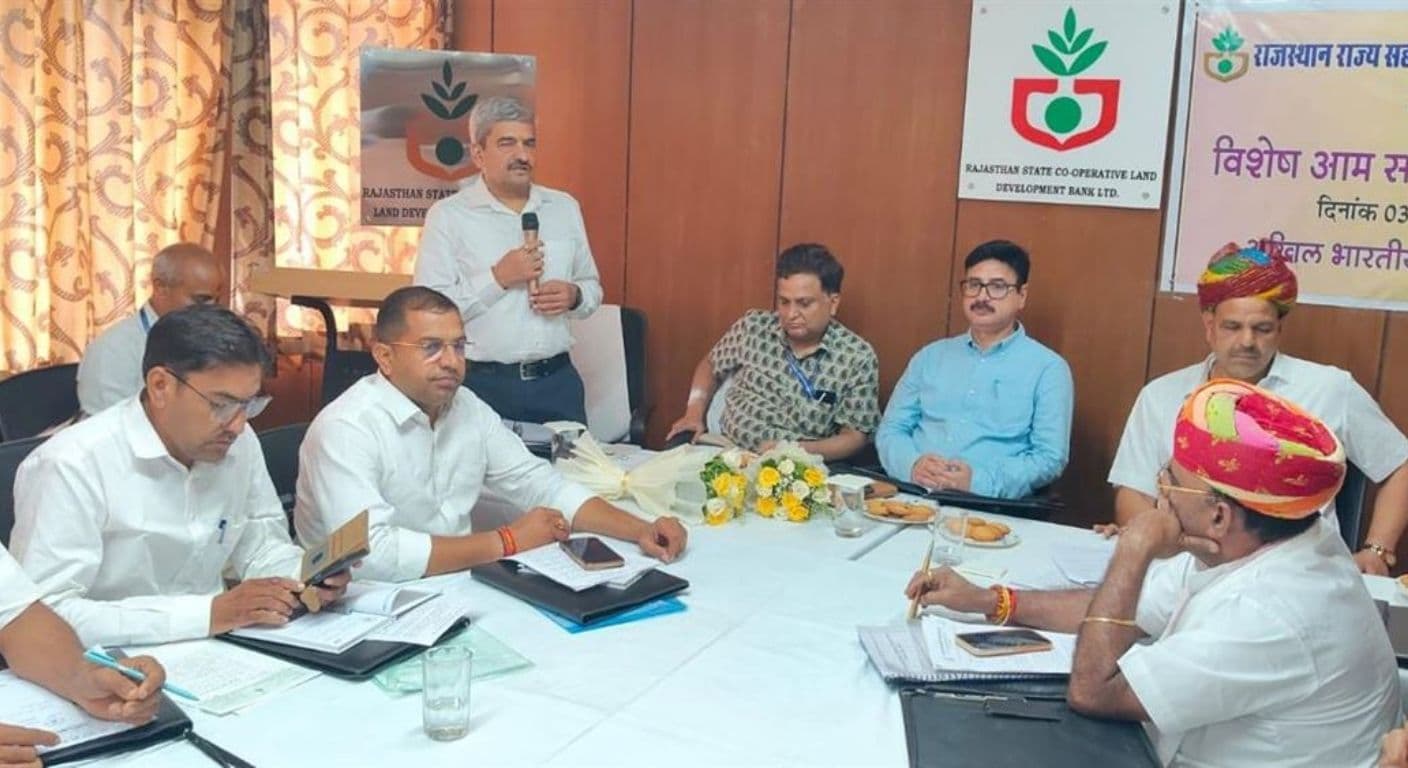
The bigger local angle is that the same day also saw a special general meeting of Rajasthan State Cooperative Land Development Bank in the city. That meeting approved a five-year reform agenda around loan growth, recovery, lower NPAs, full computerisation and online operations, turning the day's messaging into something closer to an execution plan than a symbolic observance.
Quick Highlights
- The RISEM session in Jaipur was held under Cooperation Week as the Ministry of Cooperation completed five years.
- National Cooperative Policy 2025 was presented as a roadmap toward Viksit Bharat 2047.
- The policy focus included technology adoption, paperless work, transparency and doorstep service delivery.
- Officials also highlighted global market access for cooperative farmers and stronger roles for women and youth-led startups.
- At SLDB Jaipur, members backed a five-year plan covering credit expansion, recovery improvement, NPA reduction and full computerisation.
How the Jaipur policy discussion framed the next phase
The policy session told trainee officers from the Labour and Employment, Industry, Prisons and Cooperation departments that the cooperative model is being reworked for a more digital and service-oriented era. The core pitch was that the sector should move toward transparent workflows, greater use of technology, paperless execution and more reliable delivery at the member level.
The discussion also linked cooperative reform to market access and entrepreneurship. The policy vision highlighted the creation of national cooperative institutions in the areas of organics, exports and seeds, while arguing that women and youth can use the ecosystem to create jobs, expand startups and widen access to faster services. RISEM officials, meanwhile, tied the PACS digitisation campaign to better rural facilities and stronger local institutional support.
| Jaipur cooperation agenda | What was highlighted on July 3 |
|---|---|
| Policy direction | National Cooperative Policy 2025 presented as part of the roadmap to Viksit Bharat 2047 |
| Operational focus | Technology use, paperless systems, transparency and doorstep delivery |
| Farmer-market push | Greater access for cooperative farmers beyond the domestic market and closer links to wider trade opportunities |
| Inclusion goals | More space for women and youth-led startups in the cooperative ecosystem |
| Institutional modernisation | PACS digitisation and stronger rural-level service systems |
What the SLDB Jaipur roadmap is trying to change
The second major Jaipur development of the day was at Rajasthan State Cooperative Land Development Bank, where a special general meeting reviewed the institution's current position and approved a forward-looking work plan. The agenda covered higher loan disbursal, business growth, better loan recovery, lower non-performing assets, reduced loan costs, stronger human-resource development and a shift toward fully computerised and online operations.
That matters because long-term cooperative credit structures are often judged less by policy slogans and more by whether they can process loans efficiently, recover dues without prolonged stress and keep costs under control. A Jaipur-based decision to push computerisation and online work suggests the state wants cooperative credit institutions to become more responsive and easier to navigate for members.
Why it matters beyond one event day
Jaipur's role in both the training dialogue and the SLDB review gives the city a front-row position in how cooperative reform is being explained and implemented. If the policy side moves from presentations to measurable execution, members and farmers could eventually see faster service, cleaner paperwork, stronger market linkages and more reliable credit systems.
The next thing to watch is whether these institutional promises translate into on-ground delivery. The policy language around digitisation and inclusion is ambitious, but the real test will be whether cooperative members across Rajasthan start noticing quicker processes, better access and healthier lending institutions in the months ahead.