
Rajasthan is tightening its digital finance backbone after a webinar from Jaipur positioned IFMS 3.0 as a major governance upgrade for the state. Chief Secretary V. Srinivas said the system is being strengthened to make public finance more transparent, accountable, traceable and citizen-centric, while asking departments to complete module rollouts on schedule.
For Jaipur readers, the move matters because it is being coordinated from the Secretariat and will influence how state payments, treasury workflows, accounts management and district-level financial monitoring are handled across Rajasthan. The upgrade is also being framed as more than a software refresh, with cyber-security controls, staff training and process simplification built into the next phase.
Quick Highlights
- IFMS 3.0 is being expanded as a more transparent, accountable and traceable state finance platform.
- Departments were told to ensure time-bound rollout of all modules.
- Officials were asked to build a more user-friendly system and widen the use of AI-based tools.
- Cyber security, regular audits and staff training were treated as core requirements, not side tasks.
What the Jaipur webinar focused on
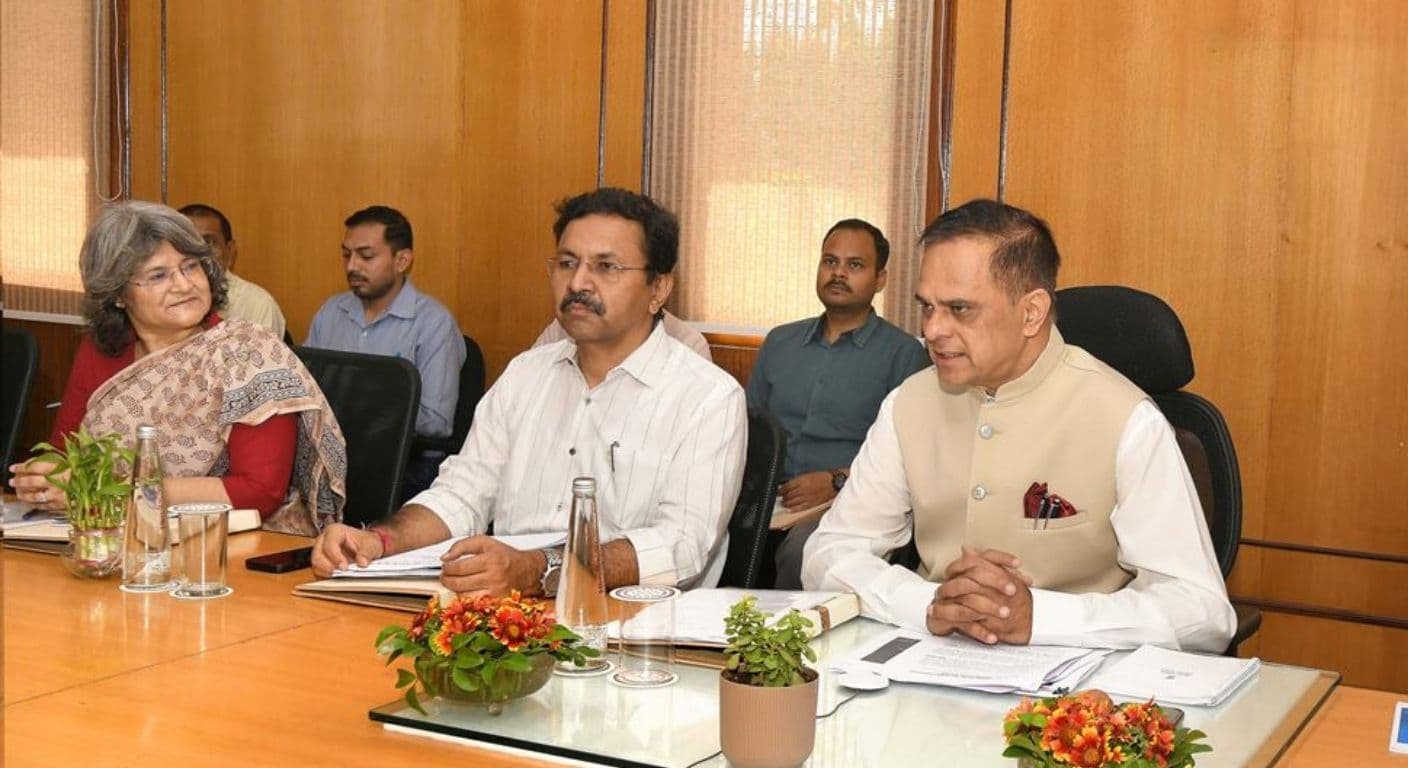
Speaking at the Secretariat webinar, Srinivas said modern technology is now being embedded across scheme implementation, payment processing, financial monitoring and accounts management. He asked officials to keep every module rollout on schedule and align the platform with the state's wider push for technology-led governance.
He also called for better coordination between departments, simpler processes and wider sharing of strong district-level practices so the system works more consistently on the ground. The focus, in other words, is not just digitisation, but making everyday financial administration faster, clearer and more dependable.
| Focus area | Direction from the webinar |
|---|---|
| Module rollout | Time-bound implementation across departments |
| Technology | More AI-based features and wider use of modern tools |
| Processes | Simplification and stronger coordination between departments |
| Training | Regular capacity-building for DDOs, district officials and related staff |
| Security | Protocols, audits and awareness around digital threats |
Why cyber security and training were stressed
Srinivas specifically asked departments to make IFMS 3.0 more user-friendly while also expanding AI-supported features. At the same time, he said digital finance cannot become more efficient by weakening control standards, which is why the review paired technical upgrades with operational discipline.
Cyber security was treated as a core issue because the platform sits inside the state's financial workflows. Officials were told to maintain strong security protocols, conduct regular security audits and improve awareness around cyber threats so data safety and system reliability are protected across departments.
What changes next
Principal Secretary Finance Vaibhav Galaria said departments and schemes are being linked to the digital platform in phases, with systems such as SNA Sparsh also being implemented. That points to a connected finance stack where treasury, revenue and support systems operate with fewer manual gaps.
The webinar also included a detailed presentation by Additional Director (IFMS) Manish Shukla on modules covering treasury management, revenue management, help-desk support, SNA Sparsh and cyber-security arrangements. The real test now will be whether the Jaipur-led push turns into faster, safer and more dependable financial operations across districts.