
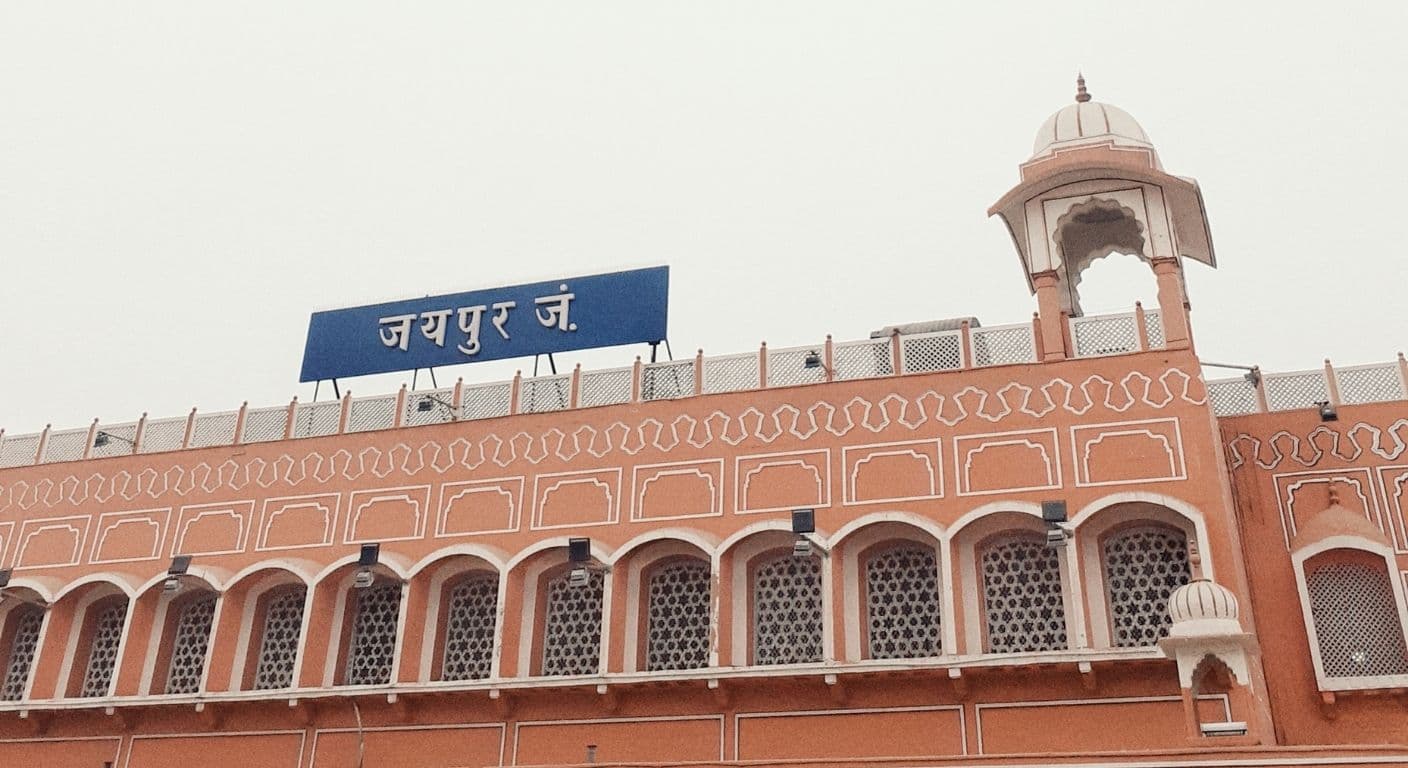
Jaipur Junction is set for a major operational overhaul after the Railway Board approved an Integrated Station Facility Management (ISFM) plan for the station. The new model will place day-to-day station services under a single professional agency instead of splitting them across separate contracts and departments.
For Jaipur passengers, the change matters because it targets the issues they notice first: cleanliness, power, parking, complaint handling and coordination between different service teams. Management responsibility under the project has been assigned to the Rail Land Development Authority, with an initial 9-year contract that can be extended by up to 3 more years if performance is satisfactory.
Quick Highlights
- The Railway Board has cleared ISFM for Jaipur Junction.
- One professional agency will manage services that were previously spread across separate contracts and departments.
- The contract is planned for 9 years, with a possible 3-year extension tied to performance.
- Passenger complaints will be linked to the Rail Madad portal and the ISFM app for time-bound resolution.
How the station management model will change
The project will run on a net earning basis, a structure that is also expected to improve the railway's non-fare revenue. Until now, services such as cleaning, electricity, parking and other passenger-facing operations were handled through separate agencies and departments, creating coordination gaps and inconvenience for travellers.
Under the new arrangement, Jaipur Junction will move to a single-facility-management structure intended to make accountability clearer and response times faster. The plan also routes 85% of the facility manager's licence fee to the railway.
| Operational area | What changes under ISFM |
|---|---|
| Service management | Cleaning, power, parking and other station services shift to one professional agency. |
| Contract period | Initial term of 9 years, extendable by up to 3 years on satisfactory performance. |
| Passenger complaints | Issues will be tied directly to the Rail Madad portal and the ISFM app for mandatory time-bound disposal. |
| Railway revenue | The railway is set to receive 85% of the facility manager's licence fee. |
Complaint tracking, training and audits
The new system is not only about contracts. Passenger complaints will be connected directly to the complaint platforms, and resolving them within a fixed timeline will be compulsory. Staff working for the private agency will also receive soft-skill training so their interaction with passengers improves alongside the physical upkeep of the station.
To keep the model from slipping into the same coordination problems it is supposed to solve, the station director and facility manager are expected to hold daily review meetings. A third-party agency will audit the work regularly, and the contract includes provisions for penalties and even termination if negligence is found.
Why the move matters for Jaipur
Jaipur Junction is one of the city's most visible transport gateways, so improvements in station management can shape both the travel experience and the city's public image. The new system is expected to deliver airport-like facilities for passengers while also strengthening Jaipur's profile as a tourism city.
The approval does not mean every visible change will happen overnight, but it does mark a clear policy shift: Jaipur Junction's services are being reorganised under one accountable framework. If the rollout works as planned, travellers should see faster complaint handling, tighter monitoring and a more consistent station experience over the coming years.