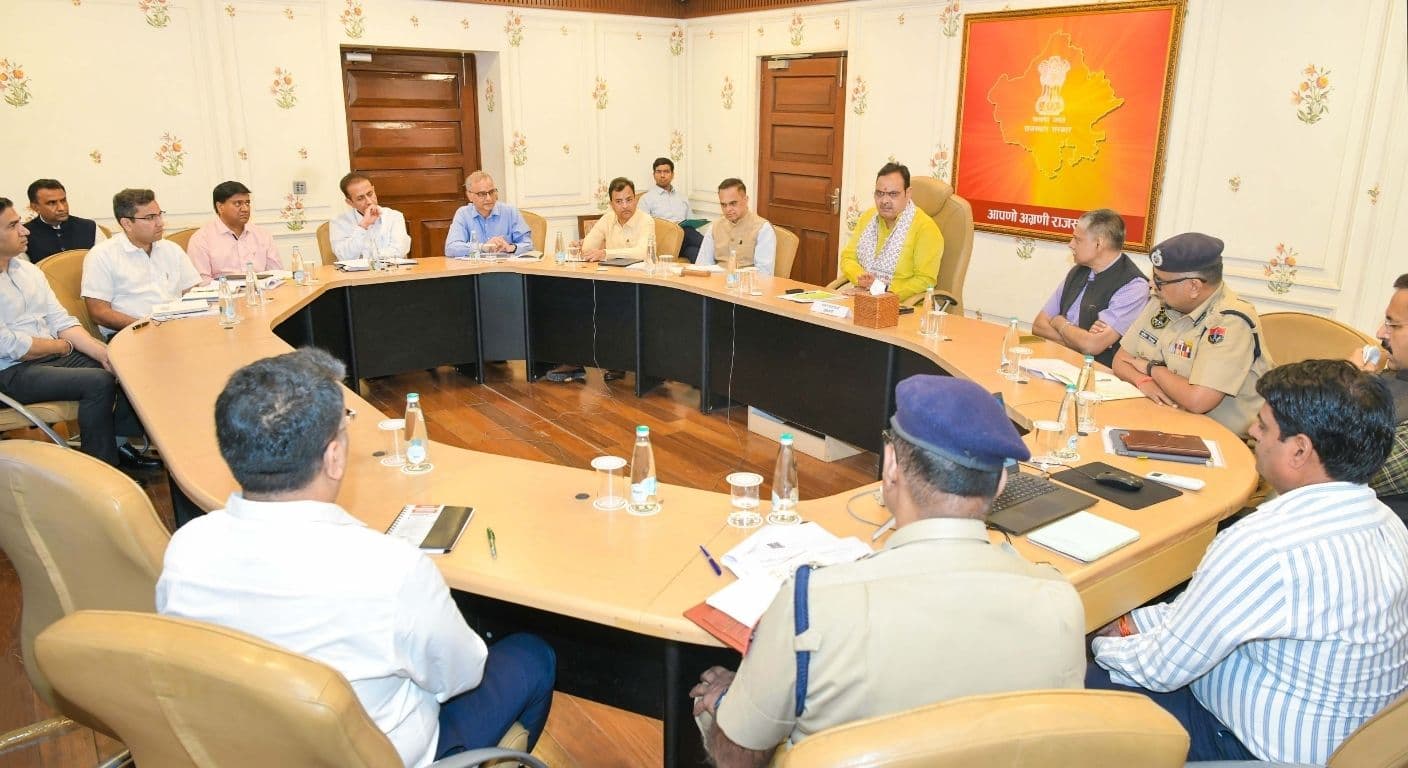

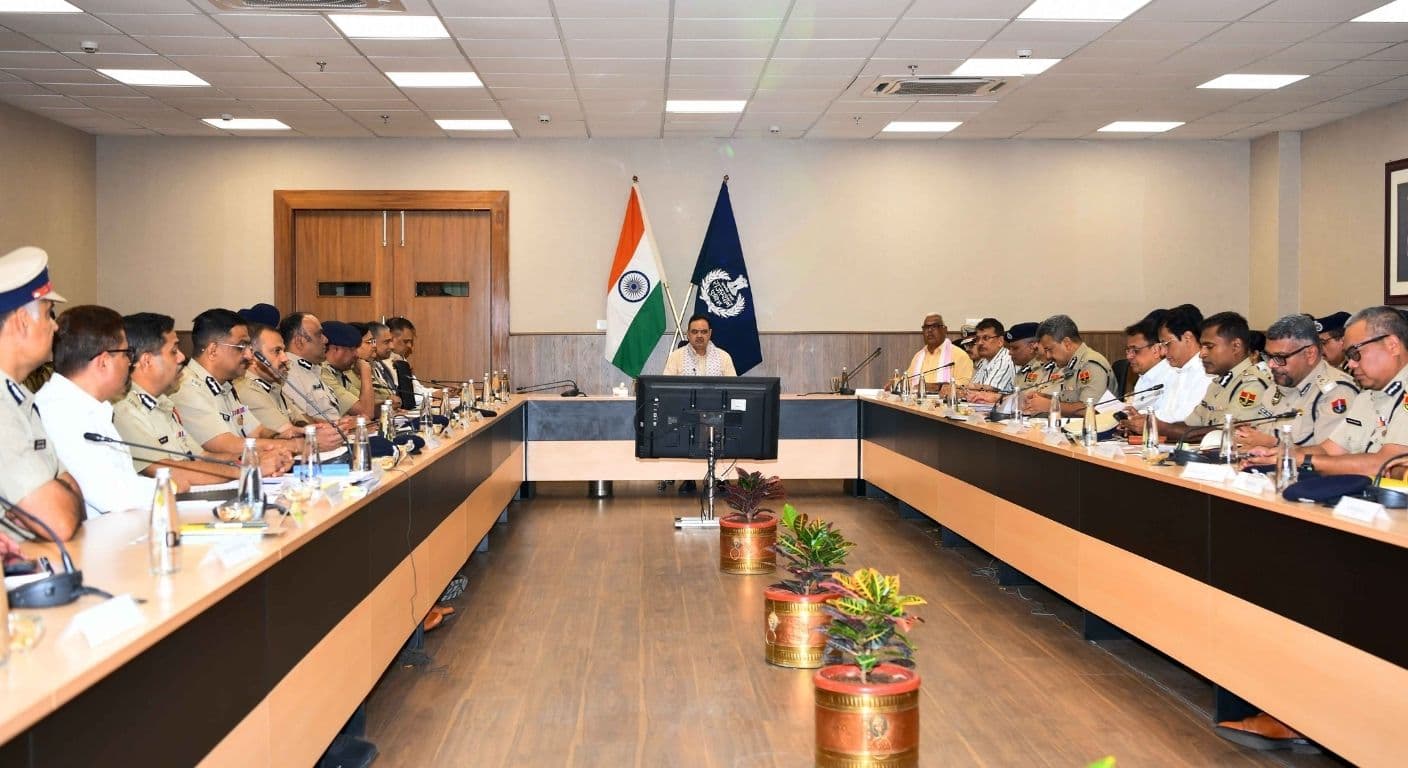
Rajasthan's policing system is being pushed toward tighter timelines and closer monitoring after a high-level law-and-order review at Police Headquarters in Jaipur. The review called for time-bound FIR investigations, stronger accountability for negligence, daily public hearings at the local level and closer tracking of cybercrime and organized-crime networks.
For Jaipur readers, the significance goes beyond a single official meeting. When police leadership sets stricter expectations around case timelines, district reporting and victim communication, those changes shape how complaints are handled, how quickly investigations move and how consistently police stations are supervised across the state.
Quick Highlights
- Police stations have been told to ensure time-bound investigation of FIRs.
- Daily public hearings and district-wise crime-and-disposal reports have been ordered.
- Cybercrime is to be monitored daily at a high level, with stronger communication with victims.
- Police personnel are to get special training on the Bharatiya Nyaya Sanhita and cybercrime prevention.
- The review pushed action against narcotics trafficking, gang networks and other organized crime.
- Officials presented figures showing major reductions in several crime categories between 2023 and 2025.
What the policing review changes in practice
The most immediate shift is procedural. The review pressed for FIR-related investigations to move on schedule, with responsibility fixed when delays or negligence occur. Superintendents of Police were asked to inspect police stations regularly, while senior officers were asked to keep up district visits and closer supervision of police offices.
That matters because many public frustrations with policing begin not at the headline-crime level but at the station level: delays in registration, slow investigation, weak follow-up and poor communication. A system that combines daily hearings, local monitoring and district-wise reporting is meant to tighten those weak points before cases stall for months.
| Law-and-order metric or direction | Figure or action |
|---|---|
| Rajasthan rank in implementing the three new criminal laws | 3rd in India |
| Average rape-case investigation time | 107 days in 2023 to 42 days now |
| Average POCSO-case investigation time | 103 days in 2023 to 40 days now |
| Total crime trend from 2023 to 2025 | 18.77% reduction |
| Robbery trend | 50.75% reduction |
| Dacoity trend | 47.26% reduction |
| Murder trend | 25.68% reduction |
Why cybercrime and organized crime are central here
The review did not stop at conventional policing. It called for daily high-level monitoring of cybercrime and direct communication with victims, which signals that online fraud and digital offences are being treated as a routine policing priority rather than a specialist side issue. Police were also told to keep FIR, e-FIR and charge-sheet e-records regularly updated under the newer legal framework.
At the same time, the review linked law and order to larger criminal ecosystems. It ordered a special action plan to root out narcotics trafficking, tighten surveillance in border areas and dismantle local networks that support gangsters and organized crime. That is important because these crimes often rely on local facilitators, not just isolated offenders, so network disruption matters as much as individual arrests.
What the official numbers suggest
The meeting highlighted several official trend lines from 2023 to 2025. Beyond the 18.77 percent overall fall in total crime presented at the review, officials also cited reductions in murder, dacoity, robbery, kidnapping, burglary and theft, crimes against women and crimes against SC-ST communities. The biggest operational takeaway, though, may be the reported drop in average investigation time for rape and POCSO cases.
The next thing to watch is whether these directions produce a visible improvement on the ground. Faster FIR investigation, better case tracking and stronger community policing can matter quickly if they change day-to-day police response. If not, the review risks staying a numbers-heavy administrative exercise rather than becoming something Jaipur residents actually feel in police functioning.