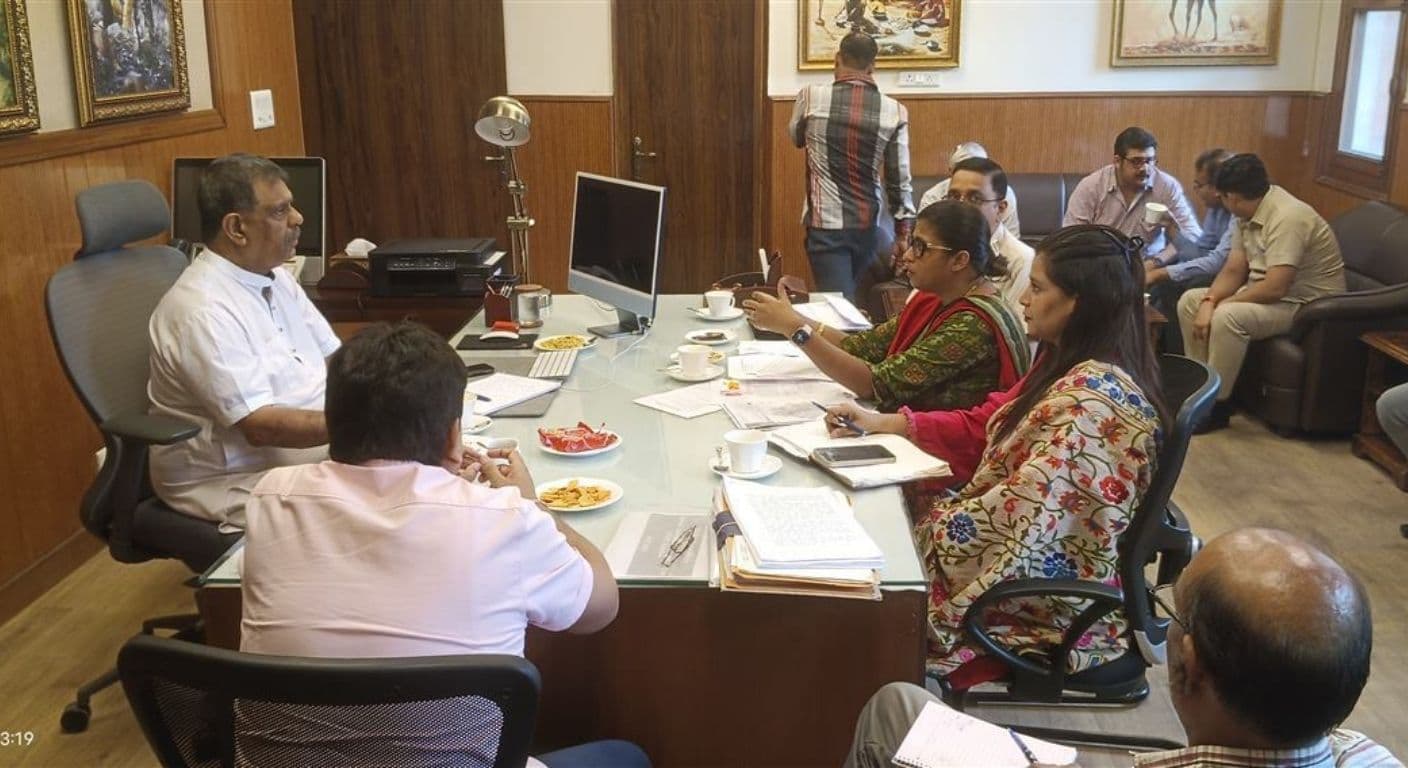

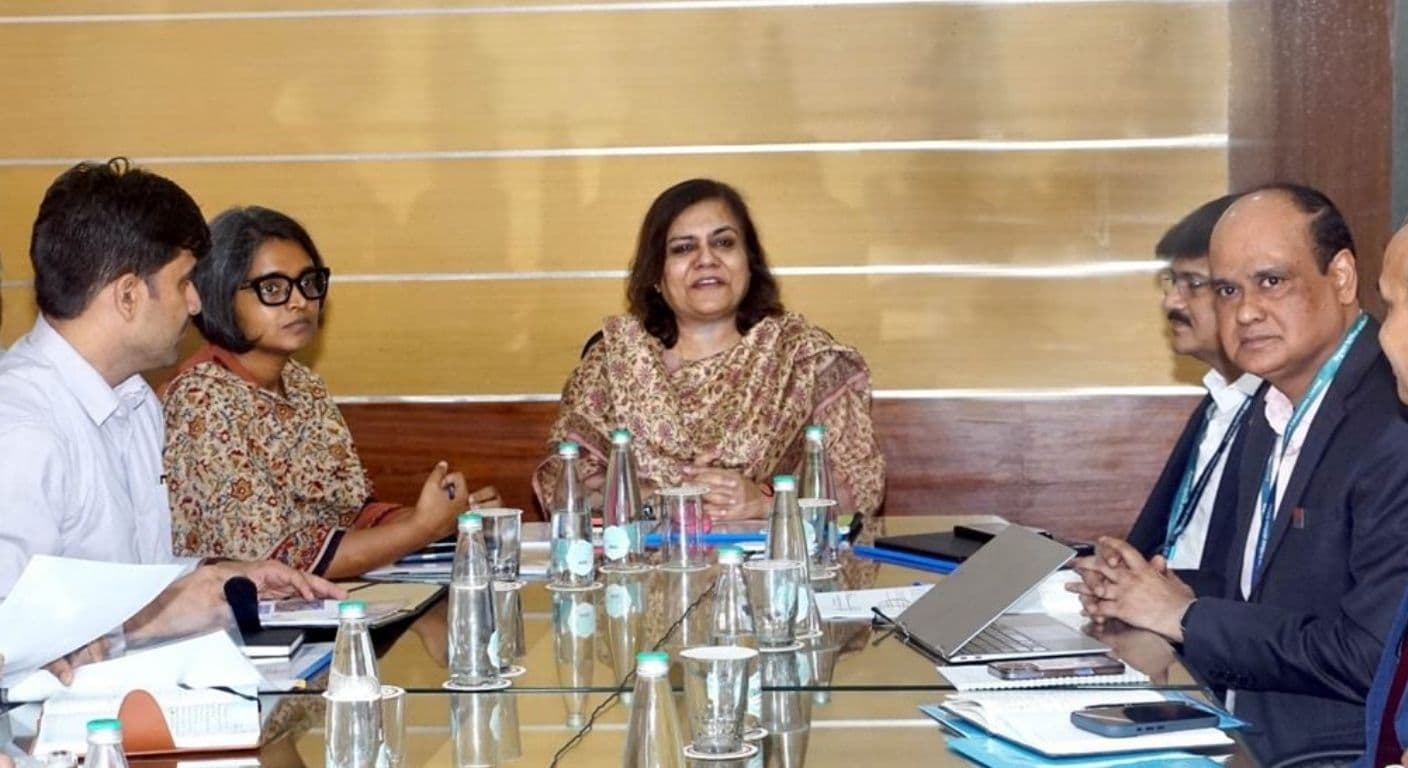
A high-level meeting in Jaipur has set up a fresh investment push around the refinery petrozone, with officials promising that manufacturers entering the zone should be able to access key raw materials as refinery output comes on stream. The pitch is straightforward: if feedstock becomes reliably available inside the cluster, downstream petrochemical units can plan projects with less uncertainty and a faster operating start.
The immediate importance is administrative rather than geographic. The petrozone itself is not in Jaipur, but the capital is where the state's investor-mobilisation strategy, department-level coordination and infrastructure planning are being shaped. That makes Jaipur the control room for a potentially bigger manufacturing expansion tied to the refinery ecosystem.
Quick Highlights
- At a meeting in Jaipur on Wednesday, July 22, 2026, officials said the refinery petrozone can now be marketed with assured raw material availability.
- The feedstock focus includes HDPE, LLDPE and polypropylene, all important for downstream plastic and packaging manufacturing.
- The state wants RIICO and the industries setup to map potential investors and actively draw them into the petrozone.
- Officials said low-water and treated-water-using industries should get preference in the zone.
- Infrastructure planning is expected to focus on water, electricity and roads.
What the investor pitch looks like
The core argument from the meeting was that petrochemical units become easier to finance and establish when raw material supply is not a future unknown. Officials framed the zone as a place where units connected to refinery-linked materials can get supply support alongside plant setup, rather than facing a separate wait for feedstock access after investing.
| Priority area | What officials want |
|---|---|
| Feedstock access | Assured availability of HDPE, LLDPE and PP for downstream units. |
| Water profile | Preference for industries that use less water or can rely on treated water. |
| Investor pipeline | Mapping likely investors and identifying industries that can be drawn into the petrozone first. |
| Basic infrastructure | Developing water, power and road support so units can actually begin operations. |
Officials also presented the model as one that can reduce inventory pressure for new units. In practical terms, that means the state wants entrepreneurs to feel they are entering a cluster with fewer raw-material bottlenecks and less working-capital uncertainty than a more fragmented industrial location.
Which industries could move in first
The meeting pointed to a broad downstream manufacturing basket rather than one flagship product. The examples discussed ranged from packaging bags, containers and crates to irrigation and household pipes, along with other plastic-based utility products. That matters because it suggests the state is not betting on a single mega unit, but on a wider network of manufacturers that can use refinery-linked materials in different ways.
If that approach works, the petrozone could function less like a narrow industrial estate and more like a layered manufacturing ecosystem built around assured inputs and shared infrastructure. That would also strengthen the case for supplier clusters, logistics support and follow-on private investment.
Why Jaipur remains central to the story
Even though the eventual factories are expected to come up closer to the refinery zone, Jaipur remains central because the city's departments are orchestrating the push. Investor mapping, industry selection, utility planning and inter-agency coordination all run through the capital's decision-making machinery.
That gives Jaipur a strategic role in how quickly the petrozone matures. If the coordination holds, the city becomes the place where refinery-linked industrial policy is converted into actual project pipelines rather than staying at the level of broad investment intent.
What to watch next
The next signals will be whether RIICO and industry officials complete the promised investor mapping, which product categories get prioritised first and how quickly infrastructure gaps are identified for closure. Those steps will show whether the current push is ready to translate from planning language into land, utilities and project approvals.
The other key test is market traction. Assured feedstock sounds powerful, but the real measure will be whether manufacturers actually commit to units in the petrozone and whether the low-water industrial model can be made practical at scale.