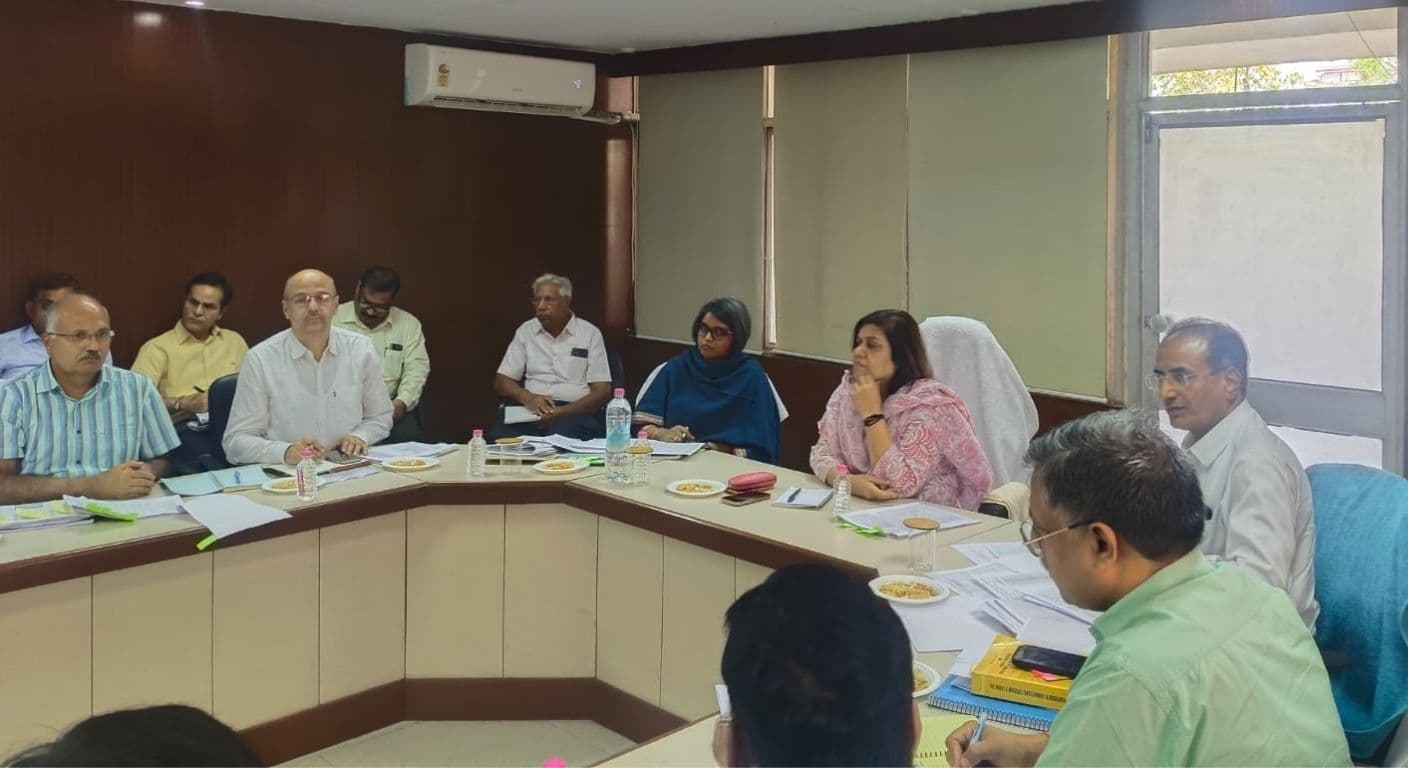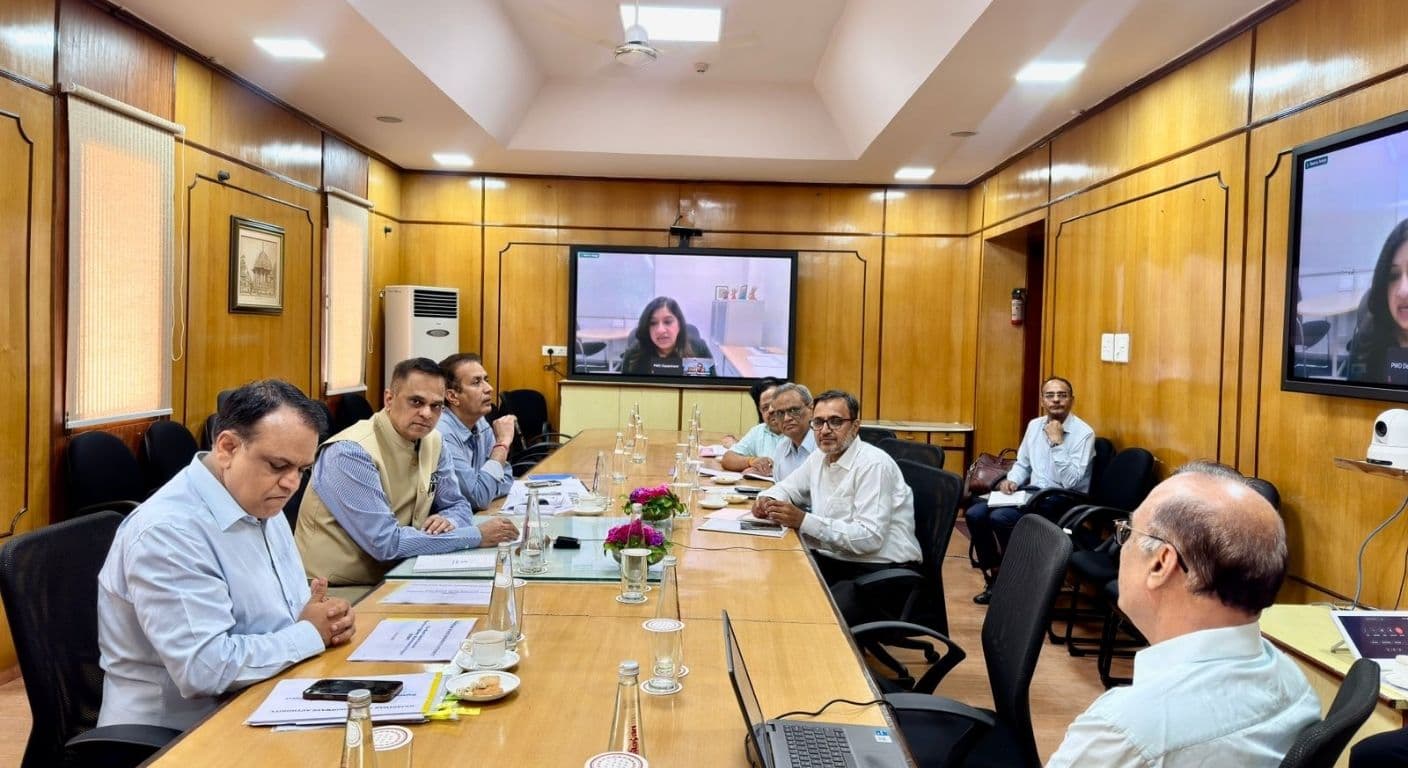

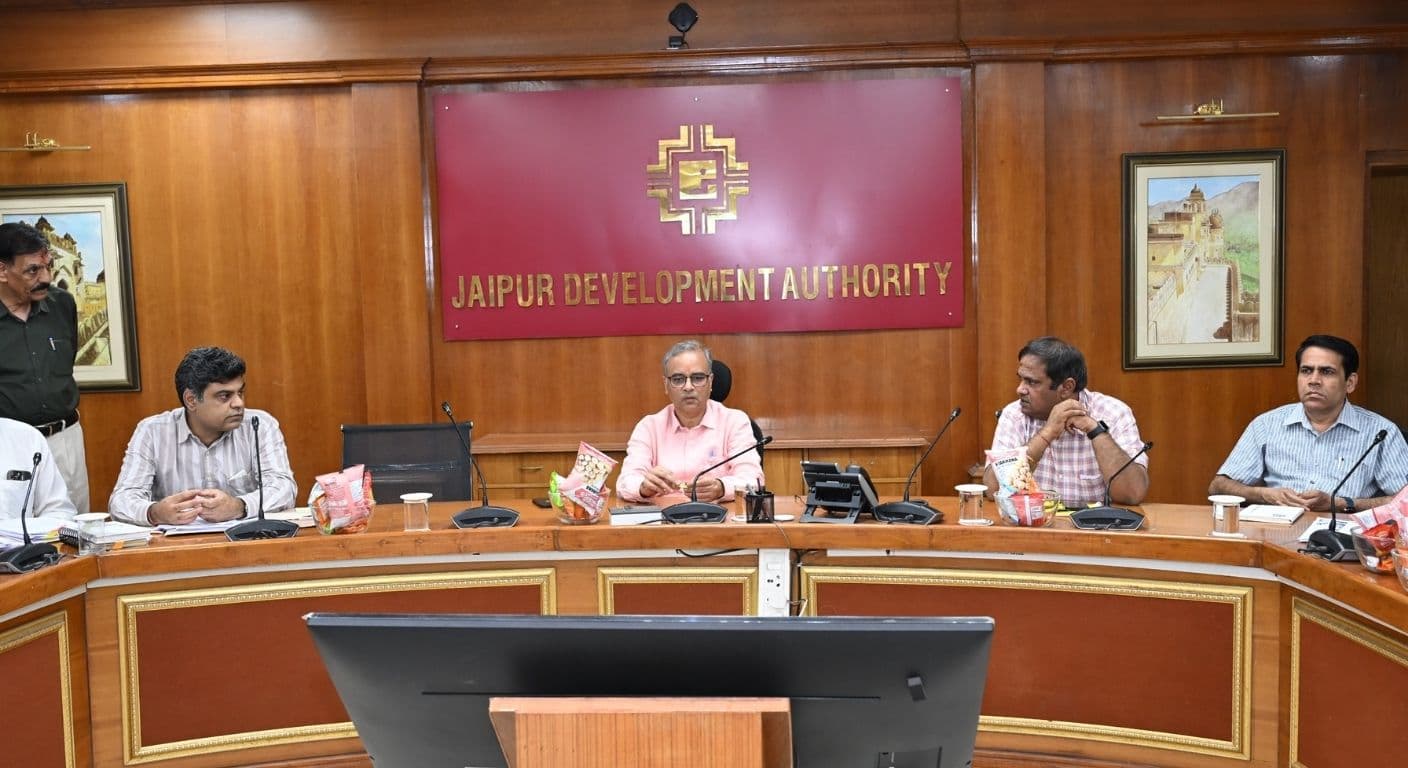
Jaipur has approved a fresh basket of urban works worth about Rs 286 crore, covering roads, sewerage, traffic improvement, beautification and other civic infrastructure. The clear message from the latest city-level review is that Jaipur is trying to push multiple pressure points at once rather than treating mobility, sanitation and public amenities as separate issues.
The biggest practical takeaway for residents is that the money is spread across named works with visible local impact. These include Sirsi Road widening, sewer links to STP Nevta, junction and U-turn improvements, upgrades in Vidyadhar Nagar, and development works tied to a land pooling scheme in outer-growth areas.
Quick Highlights
- About Rs 286 crore in approvals were cleared for Jaipur development works.
- Sirsi Road widening and development received Rs 48.76 crore.
- A lateral sewer line from PRN North Zone 5 and 6 to STP Nevta received Rs 95.16 crore.
- A sewer line from Bhankrota and nearby areas to STP Nevta received Rs 42 crore.
- The 30 MLD STP at Gajdharpura received revised approval of Rs 17.18 crore.
- A VIBE centre in Vidyadhar Nagar Sector 1 received Rs 10.50 crore.
Why the sewerage approvals matter so much
Although traffic projects are often the easiest to spot, the sewerage decisions may prove just as important for how Jaipur functions over time. The approval of Rs 95.16 crore for a lateral sewer line from PRN North Zone 5 and 6 to STP Nevta, along with another Rs 42 crore for Bhankrota and nearby areas, points to a deeper attempt to strengthen the city's sanitation backbone rather than only patch local complaints.
The Rs 17.18 crore revised approval for the 30 MLD STP at Gajdharpura adds to that logic. For a growing city, sewerage and treatment infrastructure usually matter most when they are invisible. If they lag, the impact shows up in public health, environmental strain and poor urban expansion. If they improve, entire neighborhoods become easier to service and plan.
Where the traffic and roads push is focused
On mobility, the most prominent item is the Rs 48.76 crore sanction for widening and developing Sirsi Road from the C-Zone Bypass to Sirsi Mod. That is a significant corridor-level intervention, and it reflects the growing need to handle pressure in western Jaipur more systematically.
Smaller but still relevant traffic items were also approved. These include Rs 9.54 crore for an at-grade U-turn facility on Sikar Road and Rs 5.96 crore in post-facto approval for improvements at Imli Phatak and the Jyoti Nagar T-junction. Together, these suggest the city is combining large corridor works with smaller choke-point interventions.
What else Jaipur is building out
The approvals also move beyond transport and sewerage. In Vidyadhar Nagar, the city has cleared Rs 3.38 crore for redevelopment and five-year maintenance of the Central Food Street at the central spine corridor, along with Rs 10.50 crore for a VIBE centre in Sector 1 and Rs 3.02 crore for boundary-wall work at Swarn Jayanti Garden.
Meanwhile, road and development works under a land pooling scheme in Acharawala, Jaisinghpura alias Tejawala and Abhaypura received revised approval of Rs 40.07 crore. That matters because it shows Jaipur's infrastructure push is not limited to the core city. It is also trying to shape how expansion areas develop before their problems become harder to manage.
What Jaipur residents should watch next
The real test now is implementation speed and sequencing. Big sanction totals look impressive, but residents will judge these projects by whether they ease traffic, improve sanitation and make neighborhood infrastructure more reliable on the ground. In a city like Jaipur, the gap between approval and visible execution often determines whether a project feels transformative or merely administrative.
If the biggest items move quickly, this round of approvals could help Jaipur tackle some of its most persistent urban pressures in parallel. If they stall, the city will still have the same congestion, sewerage and growth-management issues, just with larger paperwork behind them. That makes follow-through, not sanction size alone, the next story to watch.