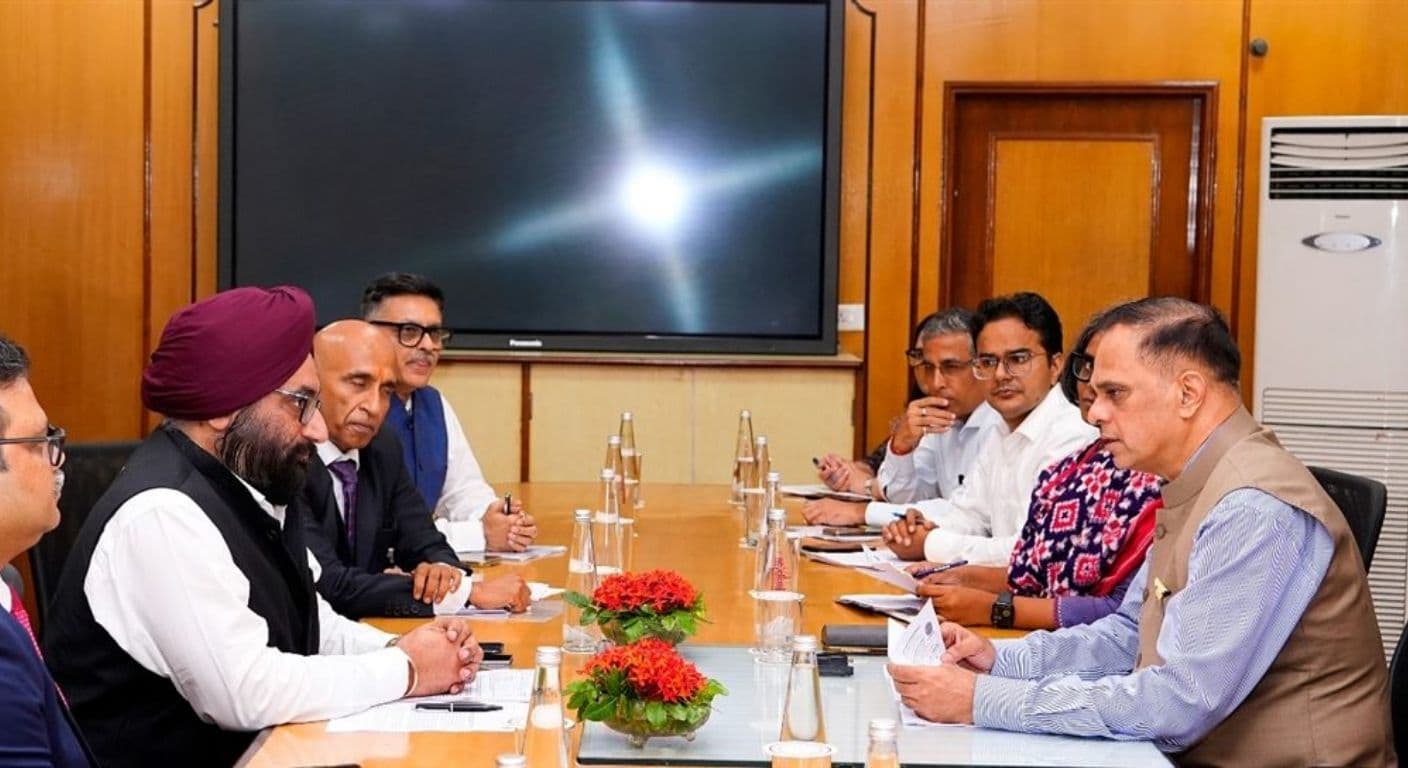

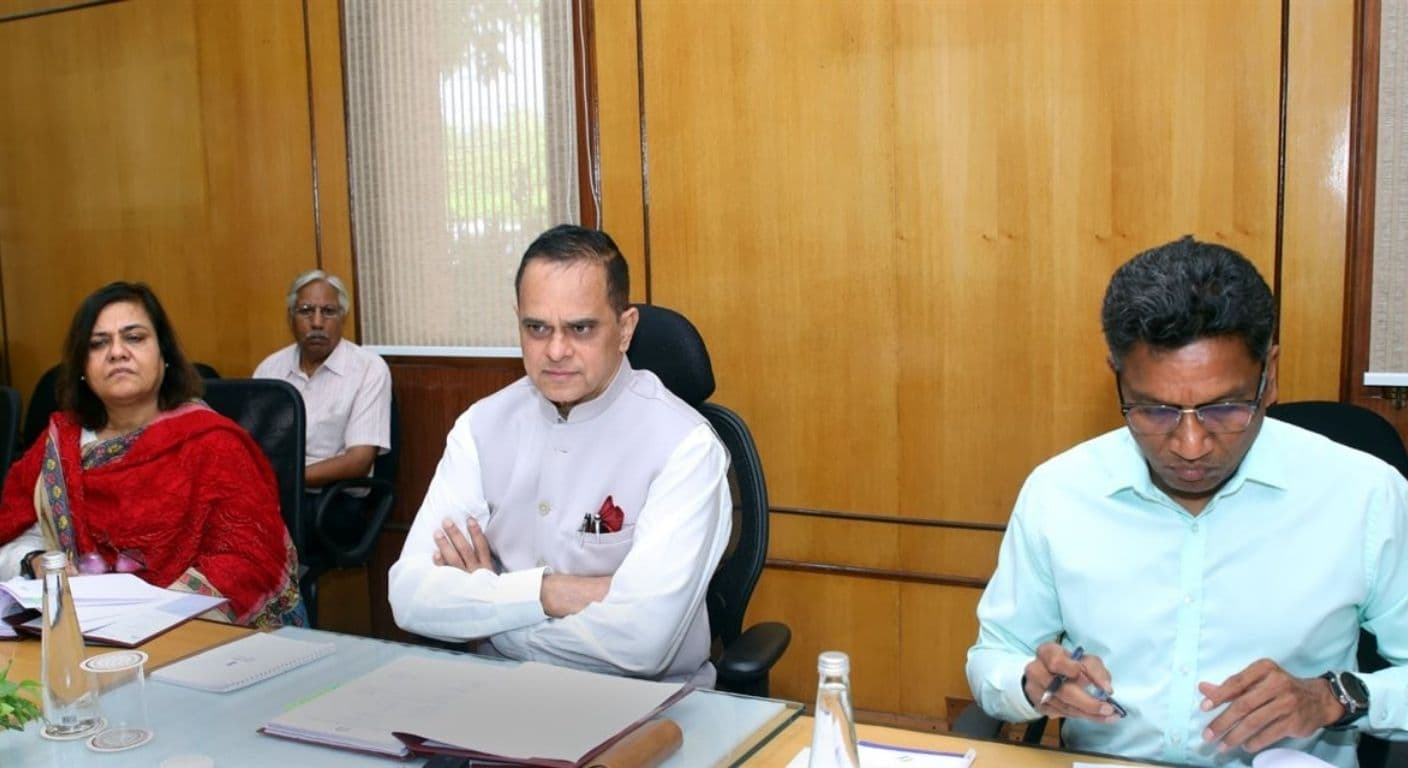
Jaipur has become the center of a fresh operating push inside state-run miner RSMML, with Chief Secretary V. Srinivas telling the company to adopt newer mining technology, focus on zero-loss mining and work harder on both output and profitability. At the company's 76th annual general meeting at the Secretariat on June 16, 2026, officials were also told to prepare a practical action plan for key minerals and open up new possibilities for potash exploration.
The meeting signals a more operational phase for Rajasthan's state-run mining strategy. The decisions here are less about ceremonial oversight and more about how a government-backed mining enterprise is expected to run more efficiently, market more aggressively and build the next phase of mineral exploration.
Quick Highlights
- RSMML has been told to use the latest mining technology and focus on zero-loss mining.
- Officials want a yearly action plan to raise output of rock phosphate, limestone, lignite and gypsum.
- The Jaipur review also pushed the company to examine new potash exploration opportunities.
- Aparna Arora said RSMML should strengthen its monitoring system for better results.
- Managing Director P. Ramesh said the company posted about Rs 177.93 crore in business during the first two months of the current financial year.
- An internal R&D cell has now been formed within RSMML.
What the Jaipur meeting actually changed
The most important shift is operational. Rather than speaking only about broader mining potential, the review told RSMML to reduce losses across the extraction chain and use technology more effectively in day-to-day mining. That is a more specific instruction than a standard growth target because it links production, efficiency and profitability together instead of treating them as separate goals.
The meeting also pushed management to think beyond routine extraction. Officials said RSMML should not only increase output in its existing mineral base but also become more commercially assertive, using stronger marketing to improve business performance and profitability.
| RSMML priority from the Jaipur review | What officials asked for |
|---|---|
| Mining efficiency | Adopt newer technology and focus on zero-loss mining. |
| Core mineral output | Prepare an annual action plan for rock phosphate, limestone, lignite and gypsum. |
| New mineral opportunity | Explore fresh possibilities for potash. |
| Monitoring | Strengthen internal monitoring systems for better results. |
| Business performance | Use more aggressive marketing to improve business and profitability. |
| Current-year progress | About Rs 177.93 crore in business in the first two months, plus a new R&D cell. |
Why rock phosphate and potash matter
One notable part of the review is that it connected mining not just to revenue, but also to agriculture-linked mineral supply. Officials highlighted the importance of rock phosphate, which has a clear fertilizer connection and therefore wider importance beyond the mining sector itself. That gives the review a broader economic angle than a simple corporate performance meeting.
The additional push on potash exploration is also worth watching. Rajasthan has been trying to widen its mineral base and reduce dependence on older extraction patterns, so a stronger potash search could become important if it eventually leads to commercially usable reserves or new industrial planning around fertilizer-linked minerals.
Monitoring and R&D are the quieter but important signals
The meeting was not only about extraction targets. Aparna Arora said RSMML needs a stronger monitoring system, which suggests the government wants tighter control over how plans are tracked and delivered. That matters because state-run enterprises often struggle not only with policy direction but with follow-through, reporting and efficiency once targets are announced.
The formation of an internal R&D cell is another small but meaningful step. If it becomes active rather than symbolic, it could help RSMML work on process improvement, mineral-specific technology choices and future exploration strategies with more technical depth than a purely administrative structure allows.
What to watch next
The next useful test is whether RSMML publishes or acts on the promised annual mining plan with clear operational milestones rather than broad intent. Output growth in rock phosphate, limestone, lignite and gypsum will matter, but so will evidence that the company is reducing losses, improving monitoring and turning the potash push into actual exploration work.
If those pieces move together, Jaipur's review could mark a more serious management reset inside one of Rajasthan's important state-run mining companies. If they do not, the meeting will still stand as a strong policy signal, but not yet as proof of deeper operational change.