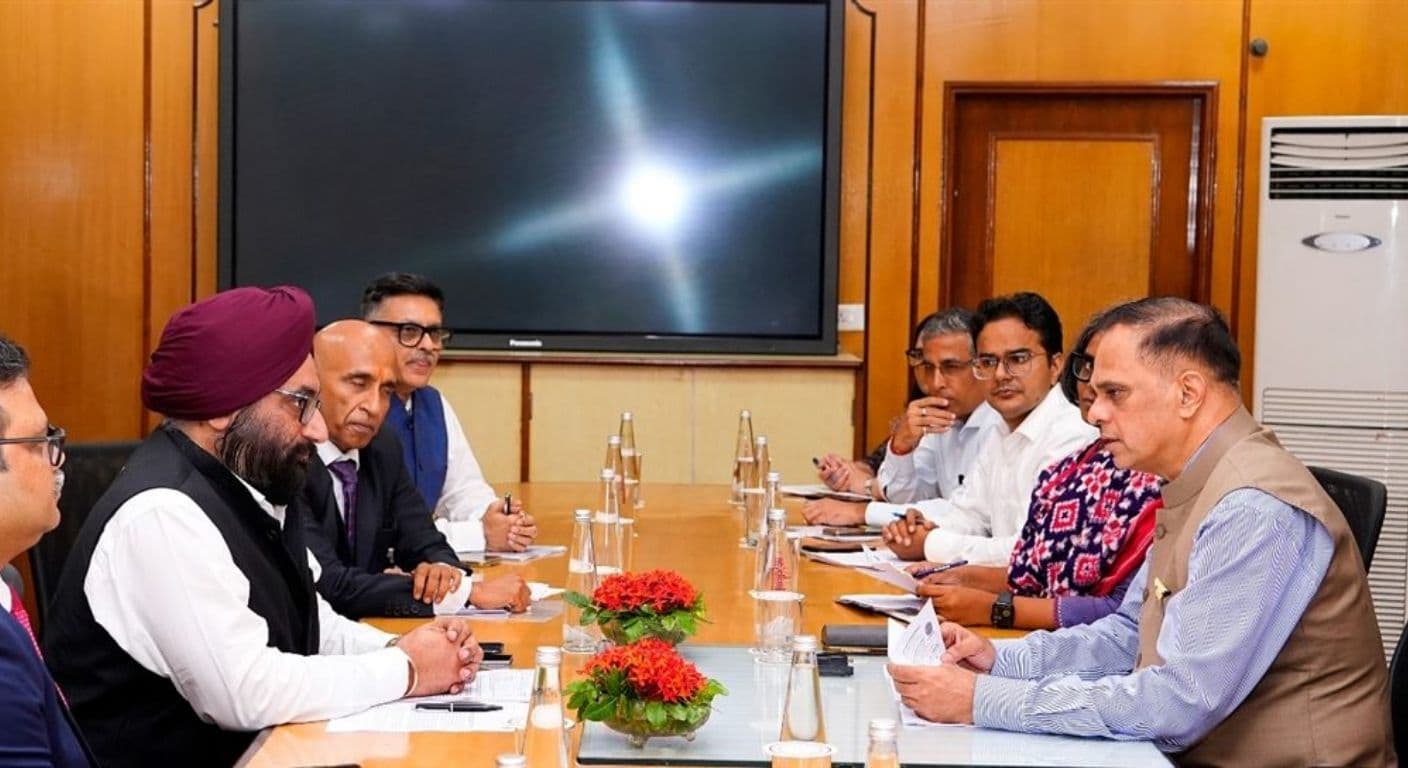

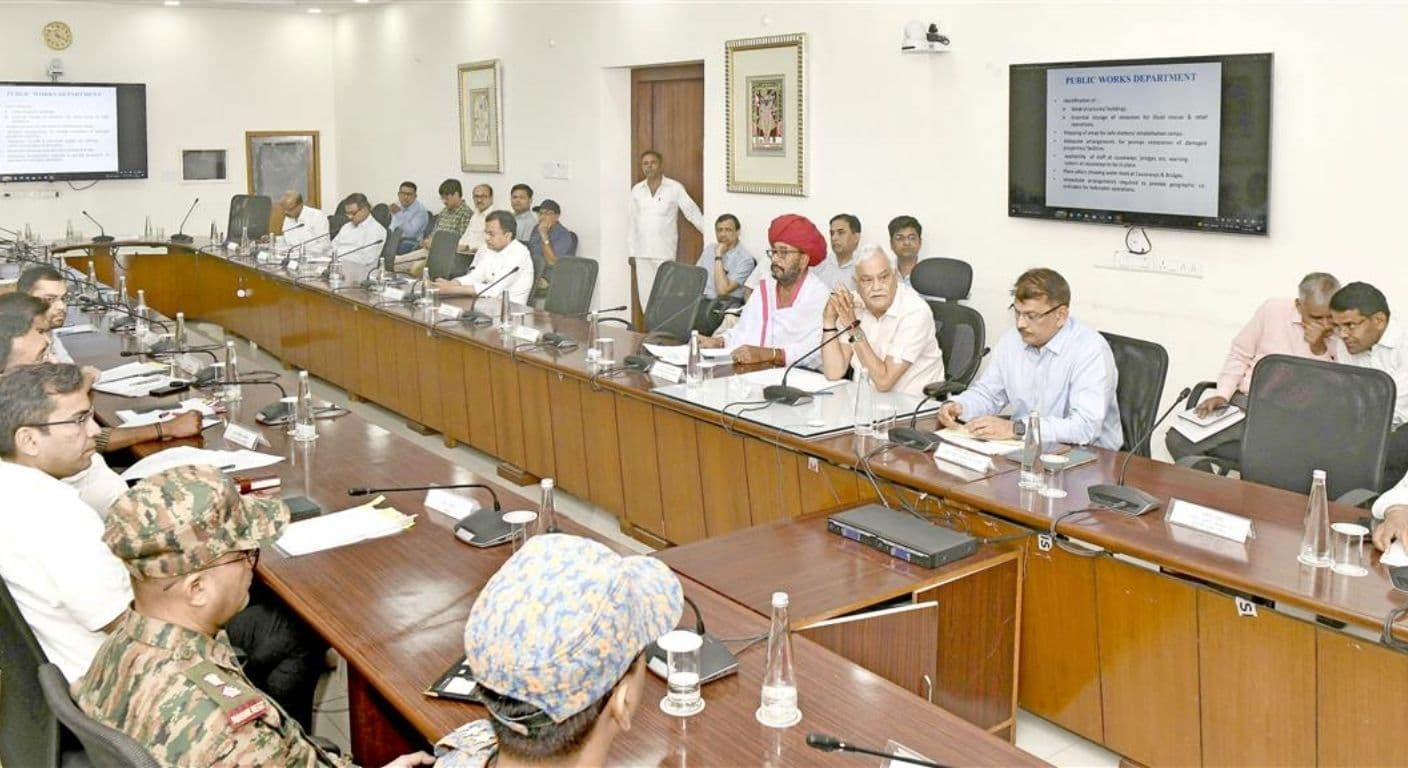
Rajasthan has ordered its state and district disaster control rooms to operate 24x7 from June 15, 2026 as part of a wider monsoon-readiness push covering floods, heavy rain, waterlogging and other seasonal risks. At a state-level review in Jaipur, Disaster Management Minister Kirodi Lal Meena said all departments should keep coordinated preparations in place so relief and rescue work can move quickly if severe weather hits.
The most important message from the review was that preparedness should begin before the first major emergency. Officials were asked to re-identify flood-prone and waterlogging zones, pre-position resources in sensitive areas and keep communication lines active between state, district and departmental control rooms.
Quick Highlights
- 24x7 control rooms will operate at state and district level from June 15, 2026.
- Departments were told to re-identify flood-prone and waterlogging areas and make resources available in advance.
- A Weather Watch Group has been formed for regular rainfall and risk monitoring.
- Officials were asked to use IMD alerts, social media, SMS, WhatsApp and other channels for faster public-warning delivery.
- Rescue agencies were told to keep boats, life jackets, ropes and response teams ready.
What departments were told to do
The review broke monsoon preparation into concrete workstreams rather than general caution. The Water Resources Department was told to repair and inspect gates at dams, reservoirs and anicuts, assess flood-prone areas and develop effective early-warning systems for people living downstream. Urban-development bodies, local bodies and panchayati raj institutions were told to clean drains, improve drainage flow and keep enough pumpsets, generators, sandbags and other dewatering equipment ready.
Meena also said flood management should be treated as a three-stage exercise: preparation before flooding, relief and rescue during flooding, and rehabilitation after the event. District collectors were asked to review relief camps, evacuation routes, safe shelter points, mock drills and available rescue resources in advance rather than waiting for weather conditions to worsen.
| Preparedness area | Direction from the review |
|---|---|
| Control rooms | 24x7 operations from June 15 at state and district level. |
| Weather monitoring | Use IMD forecasts and the Weather Watch Group for continuous review and alerts. |
| Water infrastructure | Repair and inspect dam, reservoir and anicut gates and strengthen downstream warning systems. |
| Urban waterlogging | Clean drains, improve drainage and keep dewatering equipment ready. |
| Rescue response | Keep SDRF, NDRF, police and other agencies ready with boats, life jackets, ropes and quick-response teams. |
| District planning | Review relief camps, evacuation routes, safe shelters, mapping and mock drills in advance. |
Health, power and public-supply instructions
The review also gave specific directions to public-service departments that typically come under pressure during the monsoon. The Health Department was asked to run 24x7 control rooms, stock enough medicines and life-saving drugs and keep mobile medical teams available while watching closely for water-borne and infectious diseases. The Public Health Engineering Department was told to ensure safe drinking-water supply, chlorination and quick repairs of damaged water lines.
The Energy Department was instructed to maintain electricity supply, repair damaged lines and transformers quickly and ensure uninterrupted power at relief camps. Departments dealing with public assets, animal husbandry, fisheries and food supply were also told to prepare in advance through surveys of risky locations, fodder and medicine arrangements for livestock, availability of swimmers and divers where needed, and advance storage of foodgrains and essential items in sensitive areas.
What to watch next
The next checkpoint is whether the June 15 control-room activation is matched by visible district-level execution. The review sets out a broad operational template, but the real test will be whether drainage cleanup, alert systems, rescue positioning and shelter preparation are actually in place before intense rainfall begins.
For now, the clearest sign of intent is that the state has attached a firm date to round-the-clock control-room operations and linked it to department-wise action instead of a generic seasonal warning. If that coordination holds, Rajasthan could enter the monsoon with a more structured response system than in past years.