
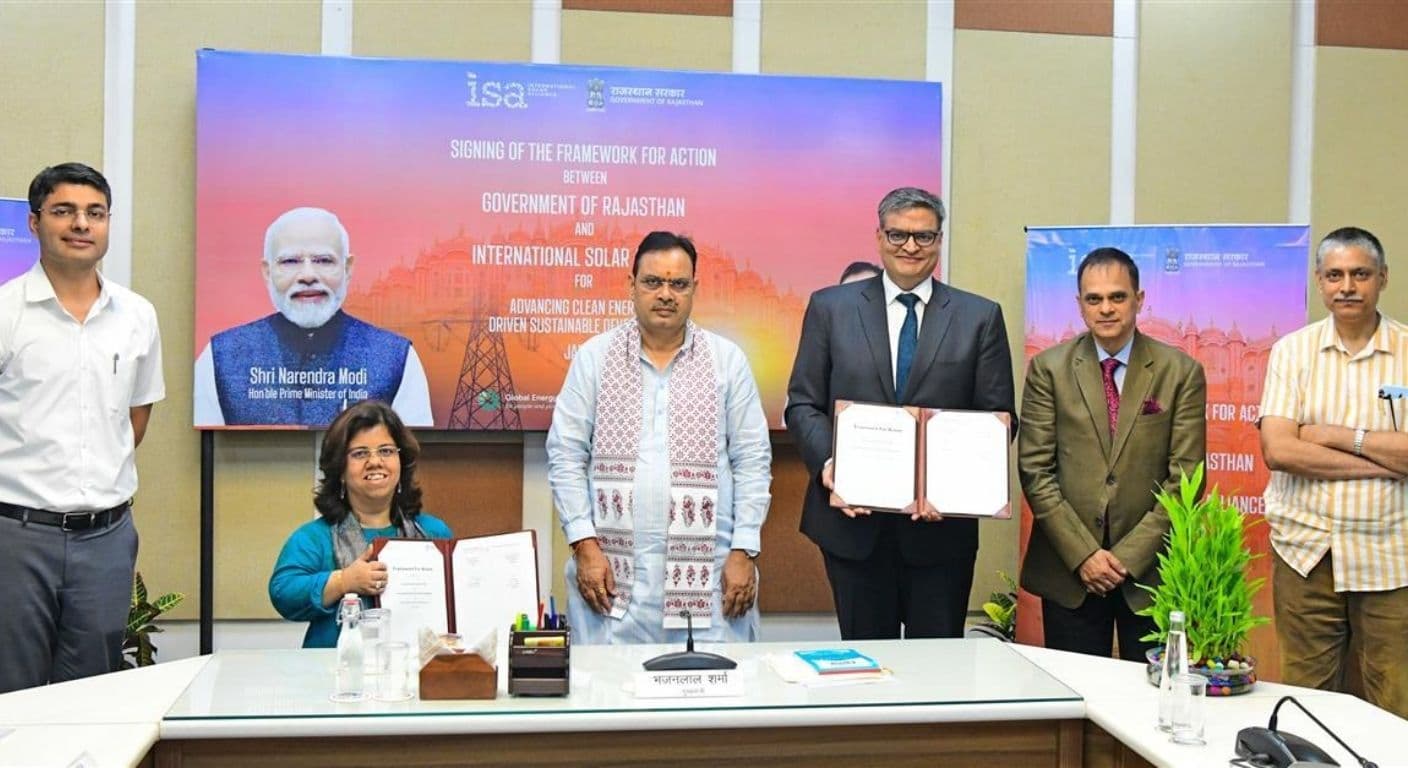
Rajasthan has become the first Indian state to sign a clean-energy framework with the International Solar Alliance, giving the state a new formal platform to plan renewable expansion, grid modernization and energy-system upgrades. The agreement was signed in Jaipur on July 8, 2026, with the state positioning itself not just as a big solar market, but as a more structured test case for the next phase of clean-energy delivery.
The immediate value of the framework is not in a single power plant or one headline investment figure. Instead, it opens the door to a wider 2030-35 energy transition plan covering solar growth, grid strengthening, storage, demand management, energy modeling and policy reform. For Jaipur readers, the significance is direct: the state's top-level energy planning is being anchored in the capital, and the decisions shaped here will influence power reliability, rooftop solar rollout and future grid management across Rajasthan.
Quick Highlights
- Rajasthan is the first Indian state to sign a framework with the International Solar Alliance.
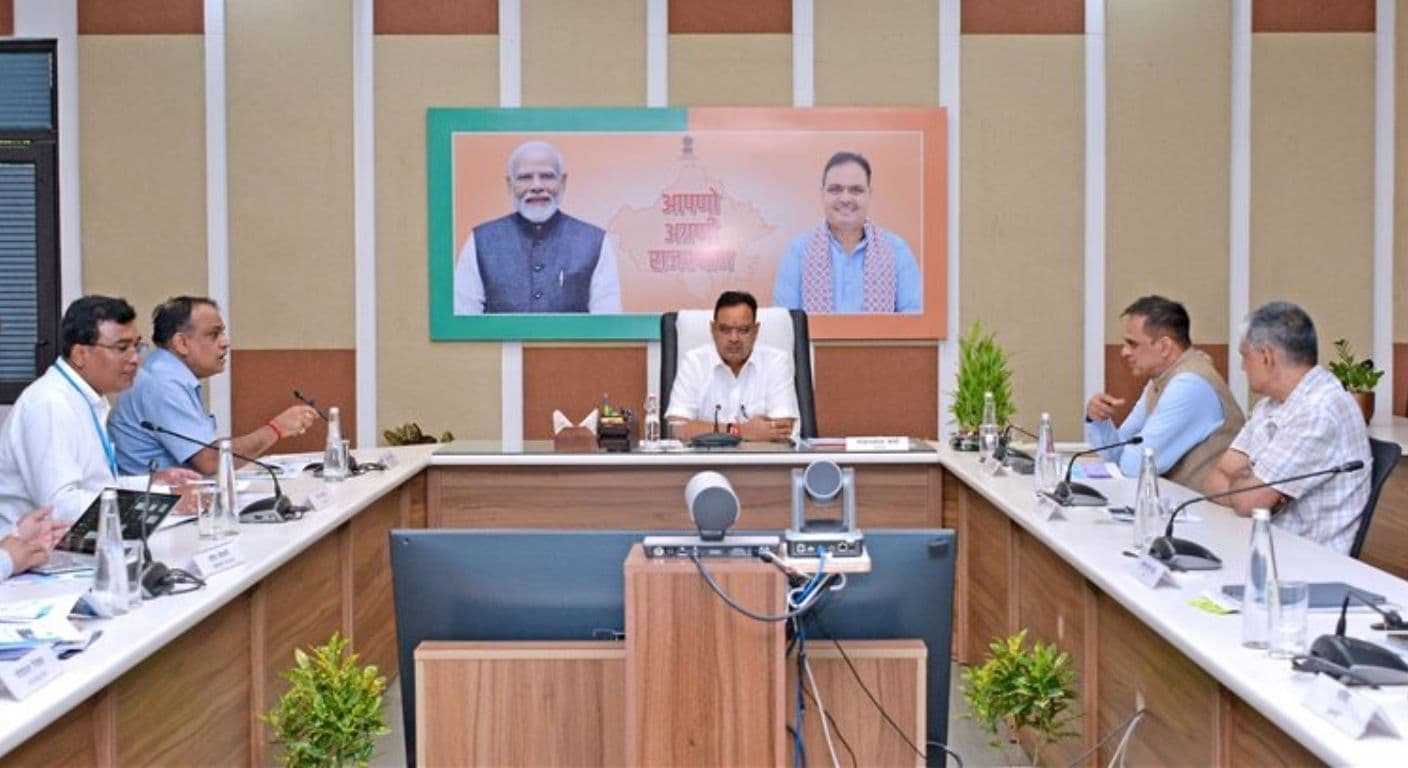
- The agreement was signed in Jaipur in the presence of Chief Minister Bhajan Lal Sharma.
- The state says its Integrated Clean Energy Policy targets 125 GW of clean-energy capacity.
- A 2030-35 energy transition plan will be prepared under the framework.
- The package includes AI-enabled digitization and a digital twin pilot in Ajmer Discom.
- The chief minister also pushed for faster work on PM Surya Ghar, PM-KUSUM, battery storage and the Green Energy Corridor.
What the ISA framework is meant to do
The state says the new partnership will help Rajasthan move faster from conventional energy to renewable energy while improving the way power is integrated, stored and delivered. In practical terms, that means the framework is supposed to support better planning across the whole electricity chain, not just add more generation capacity.
That matters because solar-heavy grids need more than sunlight and land. They also need transmission upgrades, storage capacity, smarter forecasting and a system that can balance supply and demand as renewable power becomes a bigger share of the mix.
| Framework element | What Rajasthan says it will cover |
|---|---|
| Long-range planning | A 2030-35 energy transition plan based on Rajasthan's future energy needs. |
| Renewable expansion | Further growth in solar and other clean-energy capacity under the state's broader energy strategy. |
| Grid upgrades | Transmission and distribution strengthening, grid modernization and better renewable integration. |
| System support | Energy storage, demand management, energy efficiency and investment-ready project identification. |
| Digital systems | AI-enabled digitization and a digital twin pilot in Ajmer Discom. |
| Capacity building | Training, knowledge-sharing and institutional strengthening for state engineers and officials. |
Why the 125 GW target and Ajmer pilot stand out
The release says Rajasthan has already set a target of 125 GW of clean-energy capacity under its integrated policy framework. That is an unusually large number, and it helps explain why the state is now talking about storage, digitalization and smarter grid operations instead of treating solar as only a generation story.
The planned digital twin pilot in Ajmer Discom is one of the more concrete operational steps mentioned in the release. The idea is to use AI-backed digital modeling for better demand forecasting, network planning and renewable integration. If it works, that approach could improve supply reliability and make it easier to manage a grid that carries a rising share of solar power.
What this means for power users and farmers
The state also linked the new framework to everyday electricity delivery. Rajasthan says more than 4 GW of solar capacity under PM-KUSUM is already helping provide daytime electricity to farmers in 26 districts, which suggests the clean-energy shift is already affecting how rural power is scheduled and supplied.
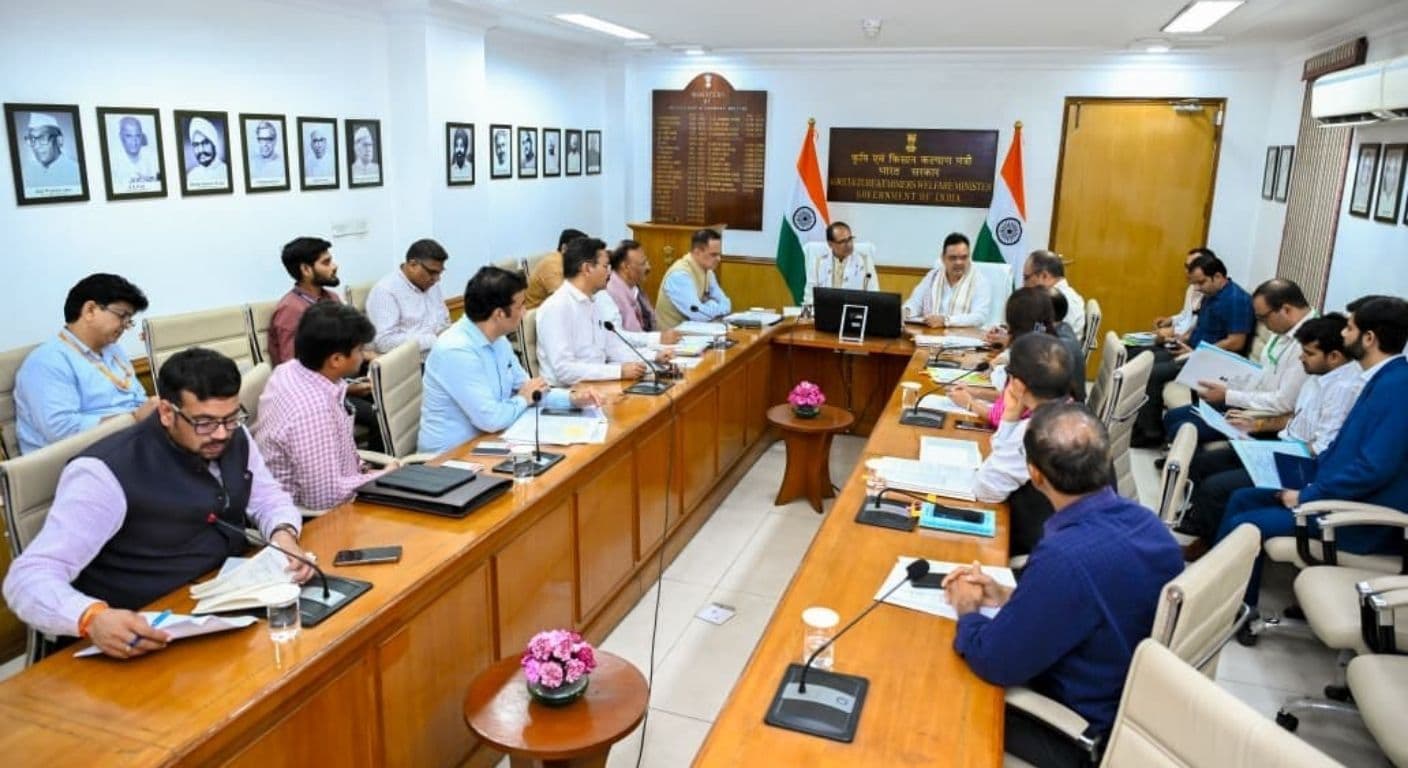
At the same time, the chief minister directed officials to bring more speed to PM Surya Ghar Muft Bijli Yojana and asked the chief secretary to monitor it regularly. He also reviewed work related to RDSS, battery energy storage systems and the Green Energy Corridor, while stressing that households, industries and farmers should continue to receive adequate and uninterrupted power, especially during the monsoon season.
What to watch next
The next real checkpoint will be execution. The framework points to a serious policy direction, but the release does not announce a fresh budget sanction or a fixed deadline for the broader transition plan. That means the real test will be whether the state turns the agreement into visible progress on rooftop solar pace, storage deployment, grid upgrades and digital energy management.
If that happens, Jaipur will matter as more than just the signing venue. It will remain the administrative center from which Rajasthan's next clean-energy push is coordinated, monitored and translated into results on the ground.