
The Rajasthan government is stepping up efforts to tackle air pollution across the state's National Capital Region (NCR) districts, with a strong focus on vehicle emissions, industrial pollution, road dust and construction activities. The Commission for Air Quality Management (CAQM) has directed authorities to ensure 100% compliance with the ‘No PUCC, No Fuel’ rule, impose a complete ban on diesel autorickshaws from January 1, 2027, and prepare district-level action plans to improve air quality.
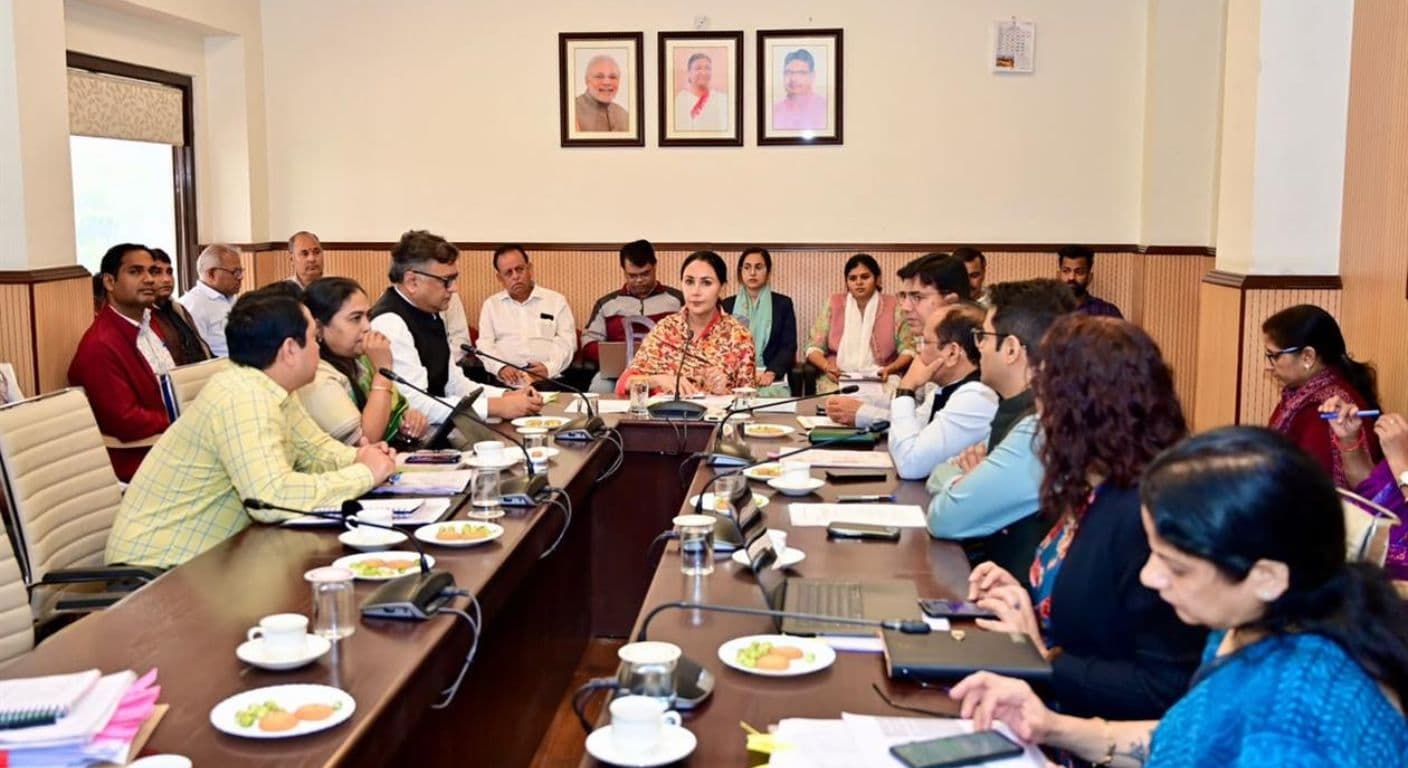
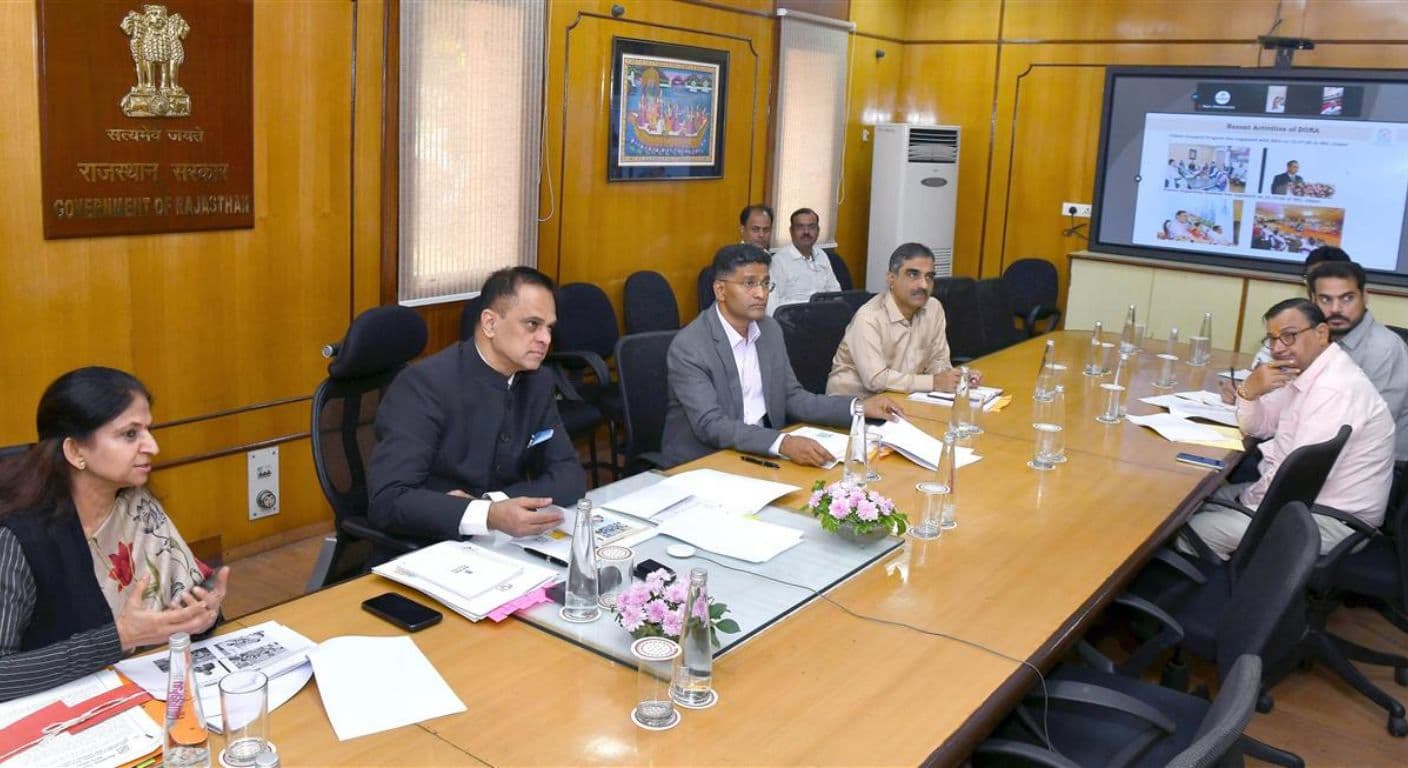
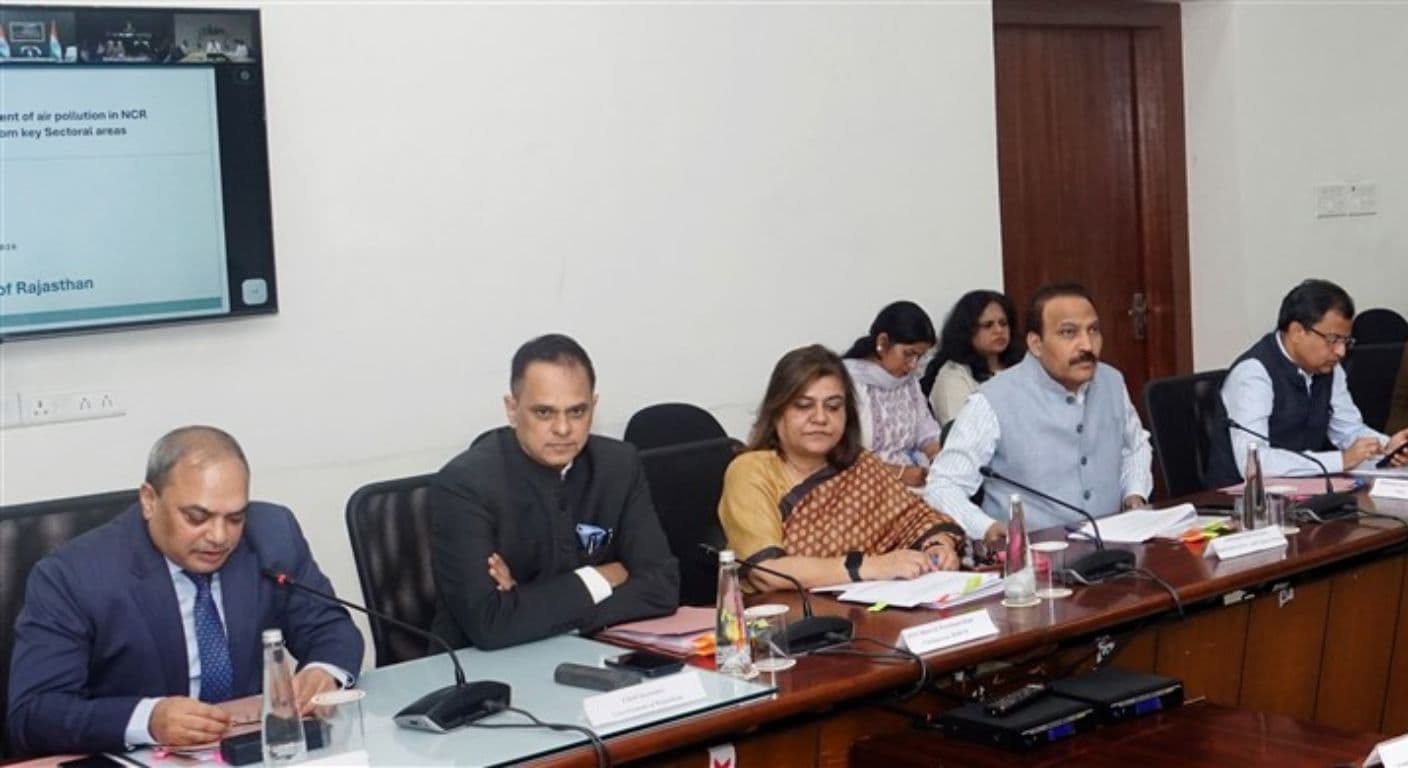
The directions were issued during a high-level review meeting chaired by CAQM Chairman Rajesh Verma at the State Secretariat in Jaipur on Monday. Rajasthan Chief Secretary V. Srinivas, senior government officials and representatives of various departments attended the meeting.
The commission emphasised the need for stricter enforcement, technology-driven monitoring and coordinated action to reduce pollution levels, particularly in industrial areas such as Bhiwadi.
‘No PUCC, No Fuel’ Rule to Be Strictly Enforced Across NCR
One of the key decisions discussed during the meeting was the strict implementation of the ‘No Pollution Under Control Certificate (PUCC), No Fuel’ policy across Rajasthan's NCR districts.
Under this system, vehicles without a valid PUCC will not be provided fuel at petrol pumps and CNG stations.
CAQM Chairman Rajesh Verma directed officials to accelerate the installation of Automatic Number Plate Recognition (ANPR) cameras at fuel stations to identify vehicles and strengthen compliance monitoring.
According to the Transport Department, ANPR camera installation is currently underway at 362 petrol pumps in the NCR region.
The department also shared the following enforcement figures for 2026:
| Enforcement Measure | Progress Reported |
|---|---|
| Petrol pumps undergoing ANPR camera installation | 362 |
| Challans issued for PUCC violations | 76,151 |
| Vehicles scrapped | 438 |
| NOCs issued for vehicle transfers | 1,526 |
Officials were also instructed to complete the installation of Integrated Traffic Management System (ITMS) cameras at identified locations to strengthen automated traffic enforcement.
The commission further encouraged the transition of vehicles used for online deliveries to electric vehicles to reduce emissions from commercial transport.
Complete Ban on Diesel Autorickshaws in NCR Districts from January 1, 2027
In another major step towards reducing vehicular pollution, the commission directed authorities to ensure a complete ban on diesel autorickshaw operations in Rajasthan's NCR districts from January 1, 2027.
The Transport Department informed the meeting that, of the 5,732 diesel autorickshaws identified in Alwar and Bharatpur, 4,232 have already been prohibited from operating.
Authorities have been instructed to complete the remaining enforcement measures and accelerate the replacement of older, more polluting vehicles with cleaner alternatives.
The move forms part of the government's broader strategy to reduce vehicle emissions and promote sustainable transportation across the NCR region.
‘Parivartan’ Scheme to Accelerate Replacement of Older Vehicles
The commission also reviewed the implementation of the Parivartan Scheme, which aims to replace older commercial vehicles with cleaner and more environmentally friendly alternatives.
Under the initiative, trucks and buses manufactured before BS-VI emission standards are to be progressively replaced with:
BS-VI-compliant vehicles
Compressed Natural Gas (CNG) vehicles
Electric vehicles and other cleaner-fuel alternatives
Chairman Rajesh Verma directed officials to speed up the transition and take strict action against older, highly polluting vehicles.
He also emphasised the need to ensure the scrapping of vehicles meeting BS-III and earlier emission standards, in accordance with applicable directions.
Road Dust and Construction Pollution Under Increased Scrutiny
Road dust was identified as one of the major contributors to air pollution in Rajasthan's NCR districts.
The commission directed authorities to prioritise mechanised road sweeping and other dust-control measures to reduce particulate pollution.
Special attention will also be given to construction and demolition activities, which can generate significant amounts of airborne dust.
Under the proposed monitoring measures, construction and demolition sites covering more than 500 square metres will be required to comply with stricter monitoring requirements, including:
Mandatory online registration of construction and demolition sites
Installation of surveillance cameras
Deployment of particulate matter monitoring sensors
Remote monitoring of dust emissions and compliance
These measures are intended to improve accountability and ensure that construction activities follow prescribed environmental standards.
Industries and Stone Crushers to Face Stricter Pollution Monitoring
Industrial pollution, particularly in areas such as Bhiwadi, was another major focus of the review meeting.
The CAQM Chairman directed officials to ensure that industrial units comply with prescribed emission standards and operate their pollution-control equipment regularly.
Industries will be required to maintain appropriate Online Continuous Emission Monitoring Systems (OCEMS) and Air Pollution Control Devices (APCDs) wherever applicable.
The commission also instructed authorities to take strict action against stone-crushing units violating pollution-control guidelines.
Stone crushers will be subject to enhanced monitoring through mandatory online registration, surveillance cameras and particulate matter sensors.
The Rajasthan State Pollution Control Board (RSPCB) has been directed to intensify inspections and take immediate action against units found violating environmental regulations.
Rajasthan Aims to Bring NCR Pollution Levels in Line with National Air Quality Average
During the meeting, Chief Secretary V. Srinivas stated that the Rajasthan government is committed to improving air quality across its NCR districts.
He said the state's objective is to bring air pollution levels in the NCR region down to the national air quality average through coordinated enforcement, improved monitoring and targeted pollution-control measures.
The Chief Secretary directed the Rajasthan State Pollution Control Board to strengthen surveillance of industrial emissions and other major pollution sources.
He also stressed the importance of regular monitoring of stone-crushing units and strict compliance with environmental regulations.
Highlighting that the Central Government is continuously reviewing pollution-control efforts in the NCR, Srinivas instructed departments to regularly assess progress, submit reports and complete pending work on priority.
District-Level Air Pollution Action Plans to Be Prepared for 2027
To strengthen pollution-control efforts at the local level, the commission directed the preparation of district-level air quality action plans for 2027, alongside the existing state-level strategy.
These plans will address major sources of pollution, including vehicular emissions, industrial activities, road dust, construction waste, crop residue burning, biomass burning and traffic congestion.
Chairman Rajesh Verma interacted with district collectors from Bharatpur, Kotputli-Behror, Khairthal-Tijara, Alwar and Deeg to review the implementation of pollution-control measures and assess progress.
The commission emphasised that district-specific strategies, supported by technology and regular monitoring, would be essential to achieving measurable improvements in air quality.
Rajasthan Pollution Control Board Reports Progress
Rajasthan State Pollution Control Board Chairperson Aparna Arora briefed the meeting on ongoing pollution-control initiatives and enforcement activities across the NCR region.
She stated that strict action is being taken against industrial units violating pollution-control regulations and that monitoring of industrial emissions has been strengthened.
According to Arora, these measures have started producing positive results, although continued enforcement and monitoring remain necessary.
The meeting was attended by senior officials from the Commission for Air Quality Management, Transport Department, Environment and Climate Change Department, Urban Development Department, Agriculture Department and other concerned agencies.
A Major Push Towards Cleaner Air in Rajasthan's NCR
The latest directives mark an intensified effort to address air pollution in Rajasthan's NCR districts through stricter vehicle regulations, industrial emission monitoring and technology-based enforcement.
With the January 1, 2027 deadline for banning diesel autorickshaws, the expansion of ANPR-based monitoring and the preparation of district-level pollution-control plans, authorities are expected to focus on stronger implementation in the coming months.
The effectiveness of these measures will depend on consistent enforcement, interdepartmental coordination and regular monitoring of air quality across the region.