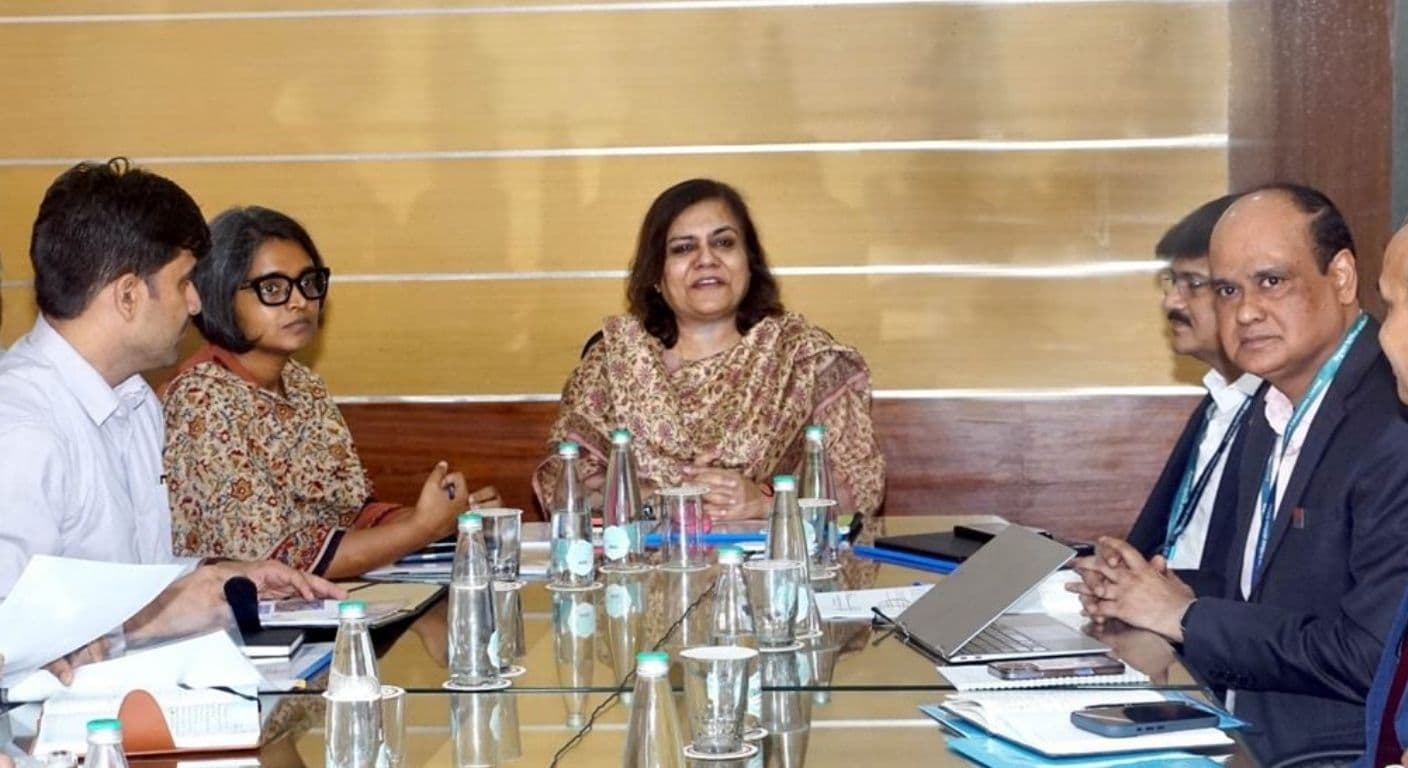

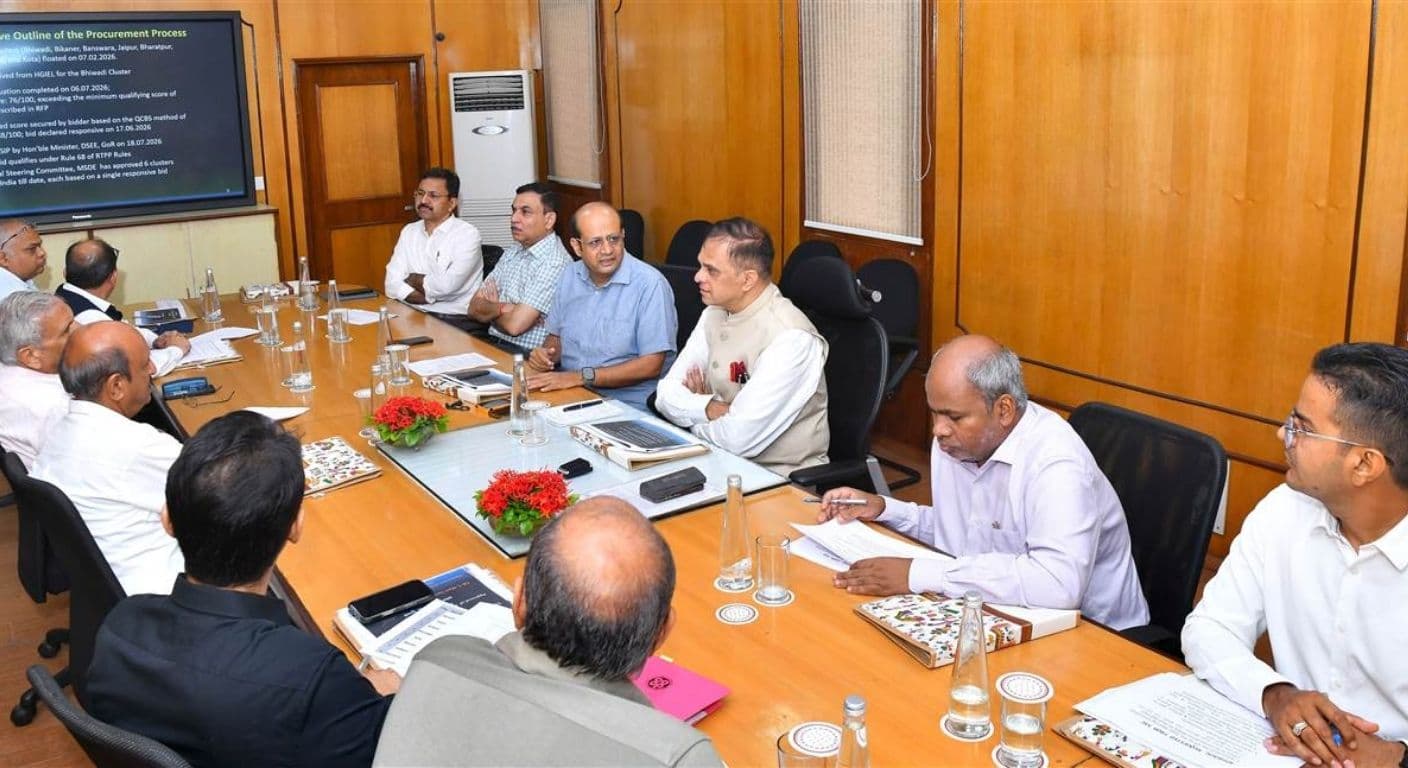
Rajasthan has crossed a key stage in the PM SETU skilling programme after a state steering committee approved the Bhiwadi cluster proposal on Friday, July 24, 2026. The state says this makes Rajasthan the first in North India and the fifth in the country to reach this point in implementation under the Centre's ITI-upgradation scheme.
The main point is straightforward: the cluster cleared at this stage is Bhiwadi. Proposals had earlier been invited for eight clusters across Rajasthan, but this approval marks the first state-level breakthrough in that wider pipeline rather than a blanket sign-off for every proposed location.
Quick Highlights
- Rajasthan approved the Bhiwadi cluster proposal under PM SETU on July 24, 2026.
- The state says it has become the first in North India and the fifth nationally to reach this milestone.
- Proposals had been invited for eight clusters: Bhiwadi, Jodhpur, Jaipur, Balotra, Banswara, Bharatpur, Bikaner and Kota.
- The approved Bhiwadi proposal is linked to M/s H.G. Infra Engineering Limited.
- The proposal will now move to the National Steering Committee for the next approval stage.
- The scheme's total five-year outlay is Rs 60,000 crore with a 50:33:17 funding split between the Centre, states and industry.
What has actually been approved so far
The immediate decision is not the final rollout of the full Rajasthan pipeline. It is the state-level approval of the Bhiwadi cluster proposal. Officials said that after this stage, the file will go to the National Steering Committee for approval. Only after that does the process move toward formal agreements with the selected company.
That matters because large skilling and institutional-upgrade programmes can sound further along than they really are. In this case, the state has completed an important checkpoint, but the project still has to move through national approval and agreement execution before on-ground ITI transformation begins under the selected cluster.
| PM SETU item | Current detail |
|---|---|
| Rajasthan milestone | First state in North India and fifth in India to reach this stage |
| Cluster approved at state level | Bhiwadi |
| Other Rajasthan clusters in pipeline | Jodhpur, Jaipur, Balotra, Banswara, Bharatpur, Bikaner and Kota |
| ITIs proposed nationwide | 1,000 government ITIs under a hub-and-spoke model |
| Total outlay | Rs 60,000 crore over five years |
| Funding split | 50% Centre, 33% state, 17% industry |
What the wider Rajasthan pipeline looks like
The bigger significance of this decision is that it opens the first visible lane for Rajasthan's broader PM SETU rollout. The state had invited cluster proposals from multiple regions, and the Bhiwadi approval suggests the wider pipeline is beginning to move from proposal collection into staged approvals.
That does not mean every listed cluster will move at the same speed. But it does show that Rajasthan is trying to build a statewide ITI-upgrade programme rather than a one-location pilot. The eventual test will be how quickly other clusters move up the same ladder once the Bhiwadi file advances further.
What PM SETU is meant to change
The scheme's stated objective is to modernise government Industrial Training Institutes so they match industry requirements more closely. If the programme moves as planned, selected ITIs are expected to get updated infrastructure, modern training facilities, industry-aligned curricula, trainer capacity building and better links to employment outcomes.
In principle, that makes PM SETU more than a construction or equipment plan. It is supposed to change how vocational training connects with employers, which trades get taught, and how quickly young people can move from classroom training into real work opportunities.
What to watch next
The next checkpoint is the National Steering Committee decision on the Bhiwadi proposal. After that, the more practical questions begin: how fast agreements are signed, which ITIs inside the cluster are selected, and what kind of industry participation is actually delivered.
The larger question for Rajasthan is whether this first approval starts a broader ITI-upgrade cycle across the other proposed clusters. If it does, the July 24 decision may come to look like the first operational marker in a much wider vocational-training overhaul.