
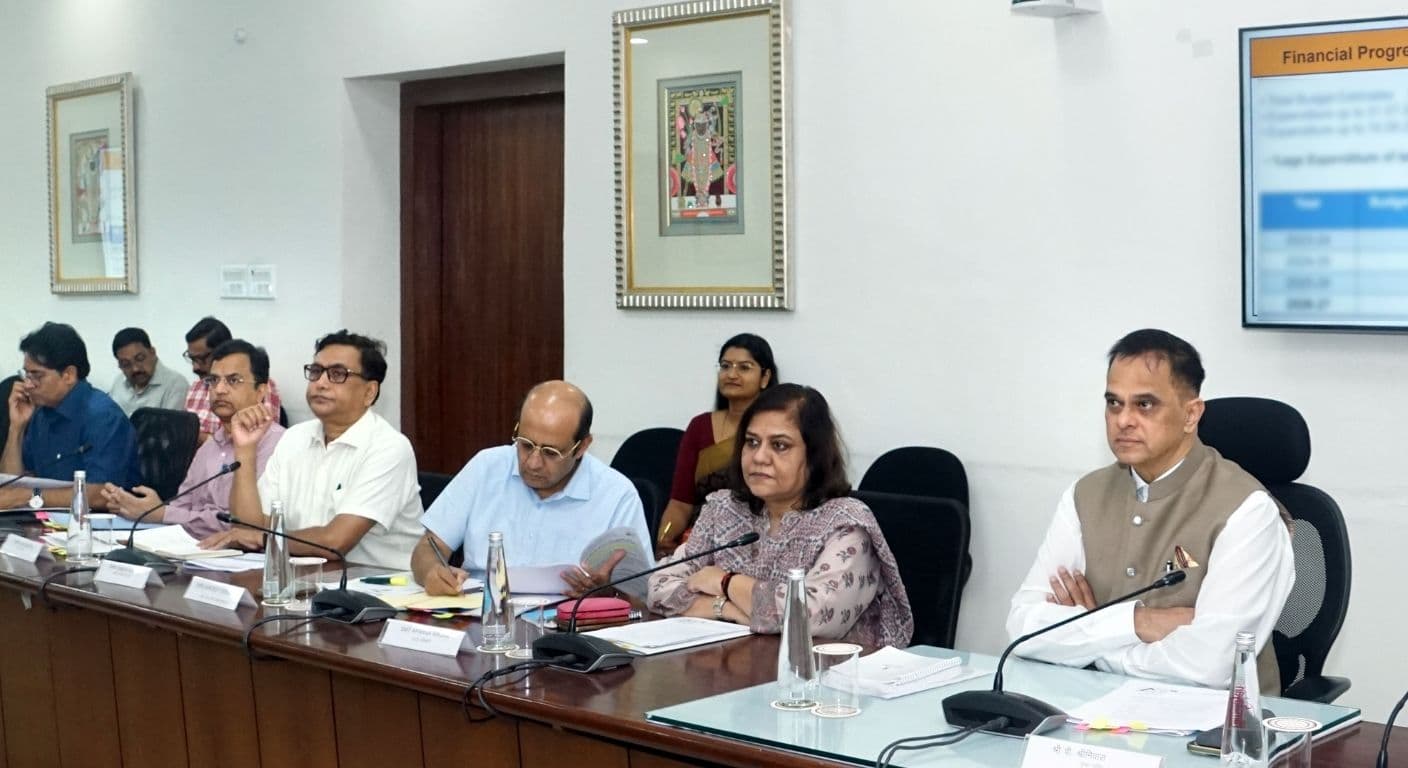
Rajasthan has fixed the next administrative checkpoints for several statewide programmes at once, from Reform Utsav and Centrally Sponsored Schemes to Har Ghar Tiranga, Rajasthan Sampark 181 and Mission Hariyalo Rajasthan. At a high-level review chaired by Chief Secretary V. Srinivas on August 11, 2026, the state pushed departments to improve service delivery, speed up grievance resolution and keep public-participation campaigns moving with tighter monitoring.
The meeting was held in Jaipur, but the story itself is statewide. The key takeaway is that Rajasthan has now attached concrete deadlines, participation targets and performance expectations to multiple governance and public-service tracks at the same time.
Quick Highlights
- The State Action Plan for Reform Utsav is to be prepared by September 10, with a public awareness campaign starting on September 11.
- Jan Manthan Sabhas are scheduled in every gram panchayat on October 2.
- The Har Ghar Tiranga campaign is running from August 9 to 17, with more than 2.1 million participants reported in the first two days.
- More than 40,000 selfies have already been uploaded to the campaign portal.
- Under Hariyalo Rajasthan, the 2026-27 plantation target is 10.81 crore saplings, with about 4.85 crore planted as of August 10.
- Between February 1 and July 31, 2026, more than 2.464 million grievances were registered and over 2.504 million cases, including backlog cases, were disposed of.
Reform Utsav timeline takes shape
The clearest outcome from the review was the timeline for Reform Utsav, which the state wants to use as a structured public-participation exercise for procedural reform. Officials said citizen feedback gathered through phases such as Jan Manthan, Vimarsh and Jan Samadhan would be translated into practical changes that make public services easier to access and simpler to use.
The meeting fixed three major milestones: the State Action Plan by September 10, the public awareness drive from September 11, and Jan Manthan Sabhas on October 2 across every gram panchayat. The Planning Department will act as the nodal department, district in-charge secretaries are expected to review preparations regularly, and the Youth Affairs Department has been asked to help widen participation. Officials were also told to examine the possibility of a single application form to simplify procedures further.
| Agenda | Main direction or update |
|---|---|
| Reform Utsav | Prepare the State Action Plan by September 10, launch awareness work from September 11 and hold Jan Manthan Sabhas on October 2. |
| Centrally Sponsored Schemes | Get pending central approvals faster, update progress regularly and submit utilisation certificates on time. |
| Har Ghar Tiranga | Keep public participation high during the August 9-17 campaign and link related programmes with civic involvement. |
| Hariyalo Rajasthan | Focus not only on planting but also on protection and verification of saplings. |
| Rajasthan Sampark 181 | Prioritise genuine citizen relief, quicker disposal and better satisfaction levels. |
Why the grievance numbers matter
The review also treated grievance redressal as a measurable service-delivery issue rather than just a reporting exercise. Officials said more than 2.464 million grievances were registered between February 1 and July 31, 2026, while over 2.504 million cases, including pending backlog matters, were disposed of during the same period.
According to the meeting update, citizen satisfaction rose from 63.16 percent to 67.29 percent, while the average disposal time fell from 15 days to 13 days. Satisfaction for grievances linked to civic amenities stood at 74.75 percent. The review specifically called for tighter monitoring of complaints related to electricity, water, roads and sanitation, making this one of the most practical statewide service-delivery benchmarks in the update.
The same logic was applied to Centrally Sponsored Schemes. Departments were told to speed up pending approvals from the Centre, keep both financial and physical progress updated, submit utilisation certificates on time and release the state share promptly after approval. Officials were also instructed to respond quickly with fact-based information if misleading claims about schemes or government performance begin circulating.
Campaign participation and plantation targets
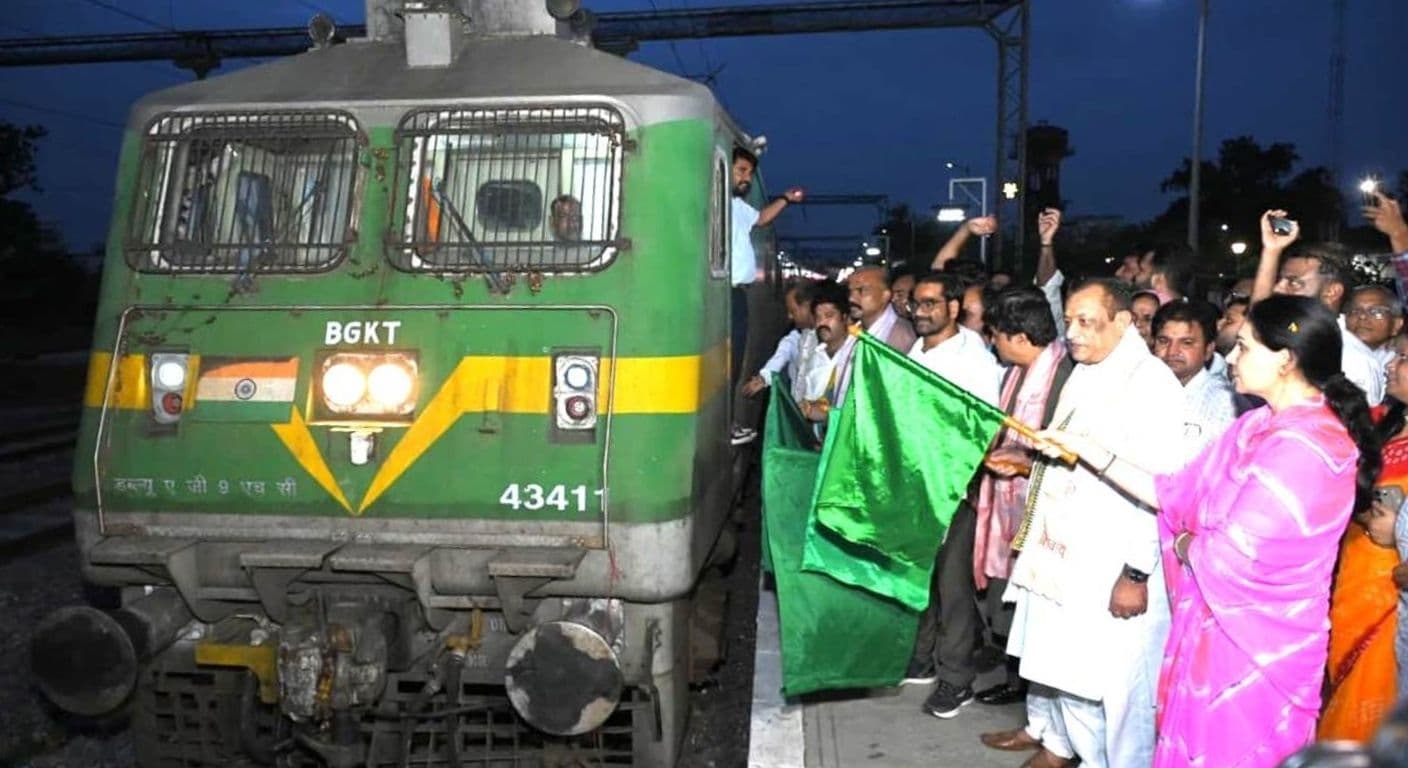
The Har Ghar Tiranga campaign was reviewed as a mass participation exercise rather than a symbolic observance alone. Officials said more than 1.12 million people joined 12,609 Prabhat Pheris on August 9, while over 984,000 people participated in 12,917 Tiranga rallies on August 10. That pushed total participation in the first two days past 2.1 million, alongside more than 40,000 selfie uploads to the campaign portal.
The review also linked upcoming public programmes to the 150th year of Vande Mataram and asked officials to organise events for August 13 and 14 with due seriousness. On the environment side, the focus was on making Hariyalo Rajasthan more durable. The state has a target of planting 10.81 crore saplings in 2026-27, and the meeting was told that about 4.85 crore had already been planted as of August 10. Departments and districts with slower progress were asked to accelerate work, while district collectors were told to ensure coordination and speed up verification of saplings planted in earlier years.
What happens next
The next major checkpoints are now clear: September 10 for the Reform Utsav action plan, September 11 for the awareness campaign and October 2 for gram panchayat-level public meetings. In the meantime, the state wants departments to show visible progress on grievance quality, scheme execution, campaign participation and sapling survival, not just target-setting.
That makes this update notable because it bundles governance reform, civic participation and service-delivery tracking into one administrative sequence. The next question is whether those directions turn into measurable district-level execution over the coming weeks.