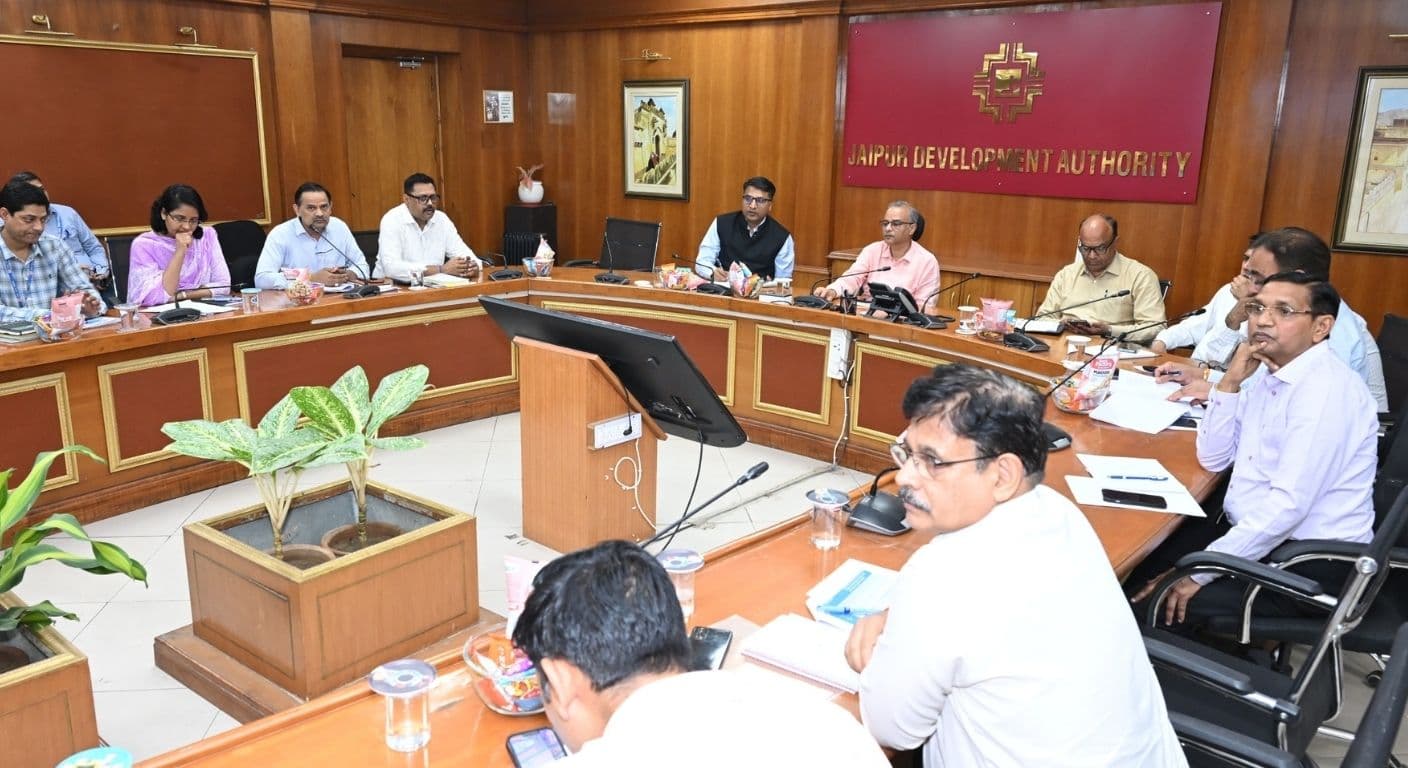

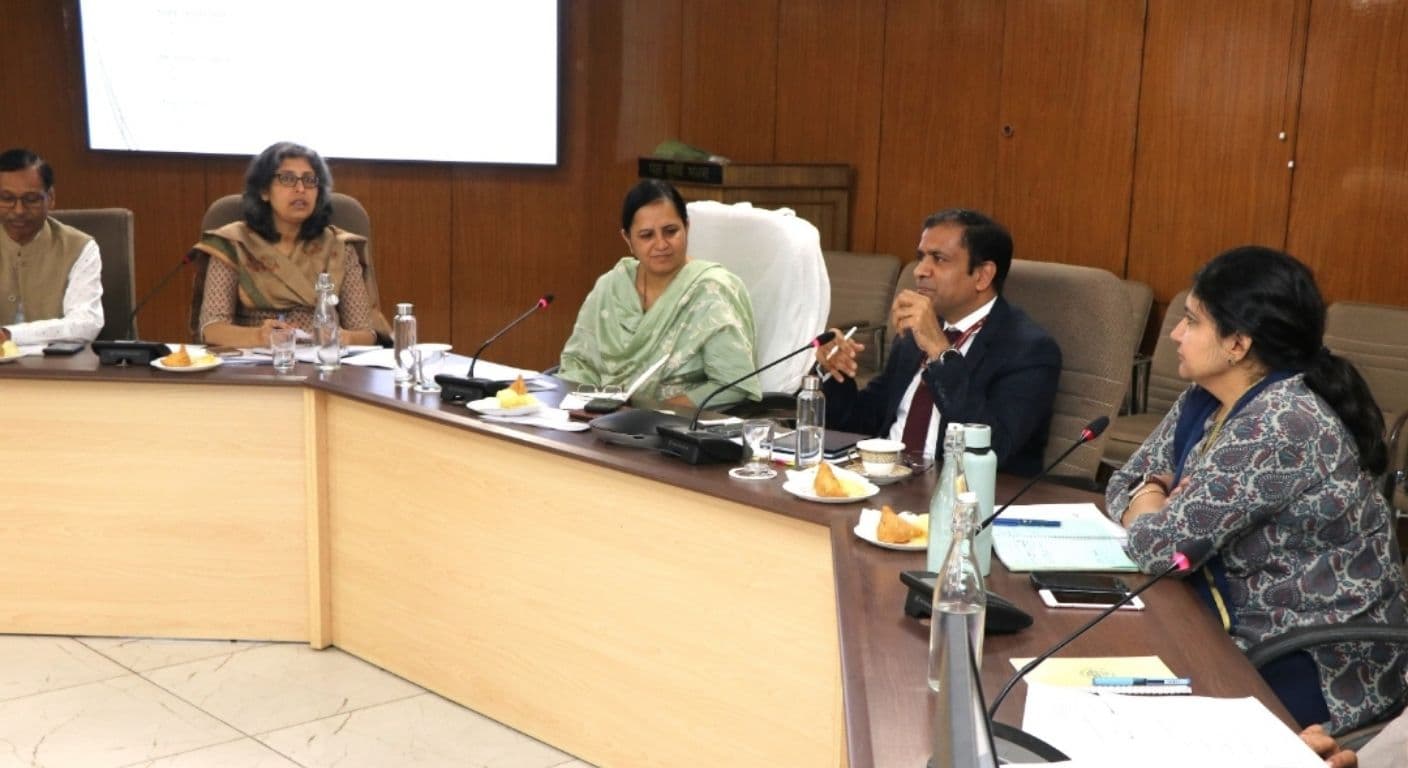
A high-level committee meeting was convened at Pant Krishi Bhawan, Jaipur, to review the implementation and progress of key agricultural schemes being run across Rajasthan. The session focused on strengthening execution, resolving field-level challenges, and ensuring that benefits reach farmers efficiently, transparently, and within stipulated timelines.
The overarching goal remains clear: to secure sustainable income growth for farmers by making government schemes more accessible and impactful.
Government Reaffirms Commitment to Farmers
Presiding over the meeting, Principal Secretary (Agriculture & Horticulture) Mrs. Manju Rajpal reiterated the state government’s dedication to farmer welfare. She directed officials to maintain transparency in the execution of schemes and to proactively address practical challenges faced by farmers at the grassroots level.
She emphasized that policies must translate into real benefits for farmers, especially those in remote areas.
Harnessing Horticulture Opportunities in Rajasthan
Joint Secretary, Ministry of Agriculture & Farmers Welfare, Government of India, Mr. Sanjay Agarwal, pointed out the vast potential of horticulture crops in Rajasthan, including fruits, vegetables, and flowers.
He called for:
A well-defined action plan
Focused crop selection
Strong on-ground implementation
He also highlighted the importance of expanding micro-irrigation systems under water conservation initiatives to optimize water use efficiency.
In addition, he recommended promoting improved and new varieties of high-value crops such as Isabgol, cumin, and fennel to increase productivity and enhance farmers’ earnings.
Key Focus Areas Discussed
During the meeting, a detailed review of major agricultural schemes was undertaken. Discussions revolved around:
Enhancing crop productivity
Promoting modern farming technologies
Expanding irrigation coverage
Improving soil health
Ensuring distribution of quality seeds
Strengthening agricultural marketing systems
There was also a collective push to promote allied sectors such as horticulture, animal husbandry, organic farming, and other supplementary agricultural activities to diversify income sources for farmers.
Strengthening Monitoring and Accountability
The committee resolved to conduct regular monitoring of all schemes, with district-level review meetings to track progress and address implementation gaps.
Officials were instructed to maintain direct communication with farmers and resolve their grievances on priority. This farmer-first approach is expected to make scheme implementation more responsive and outcome-oriented.
Officials and Institutions Present
The meeting was attended by senior officers from various departments, including representatives from the Indian Council of Agricultural Research (ICAR), along with officials from the Agriculture Department, Horticulture Department, Agriculture Marketing Department, and the Rajasthan State Seed Corporation.
Driving Inclusive Agricultural Growth
The review meeting reflects Rajasthan’s focused efforts to enhance the efficiency of agricultural schemes and ensure that no farmer is left behind. With stronger monitoring, transparency, and strategic crop planning, the state aims to create a more resilient and prosperous agricultural ecosystem.