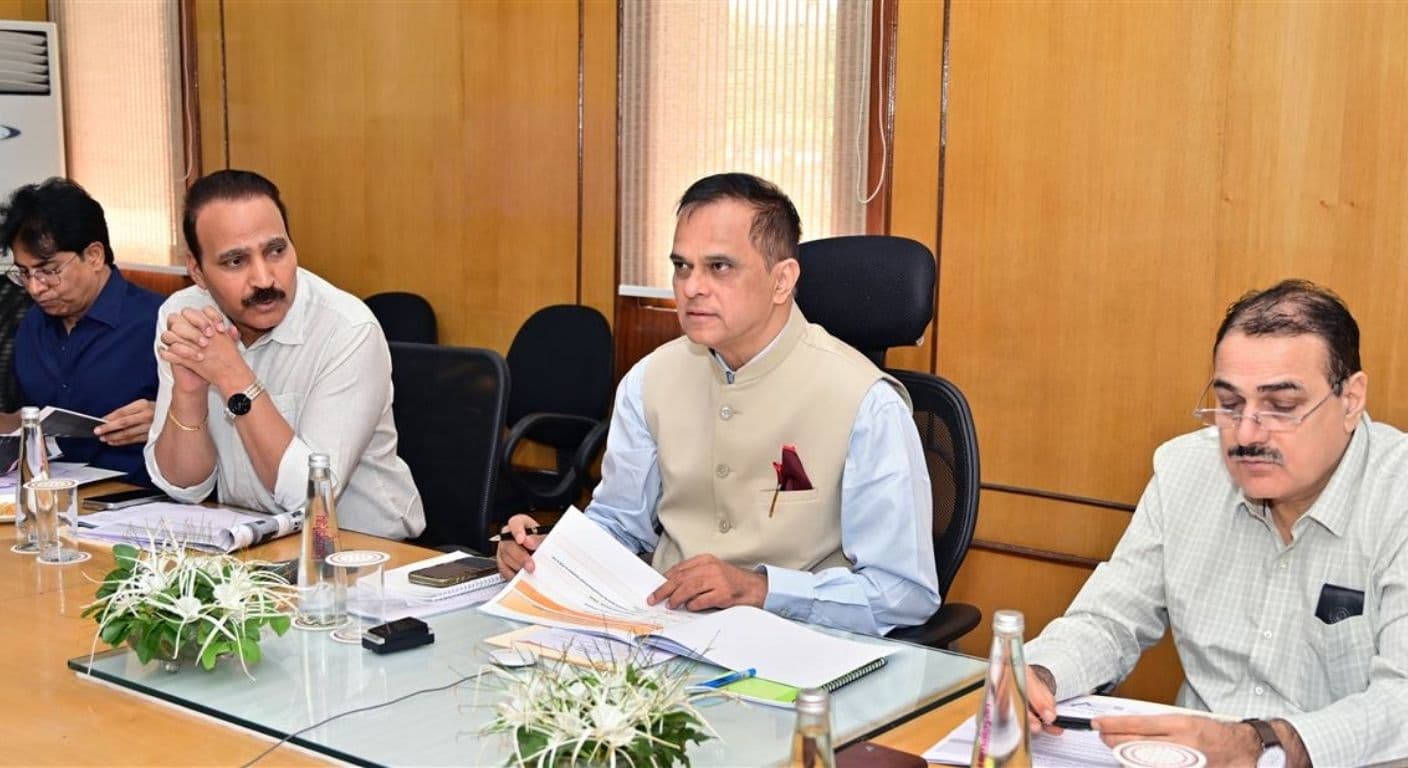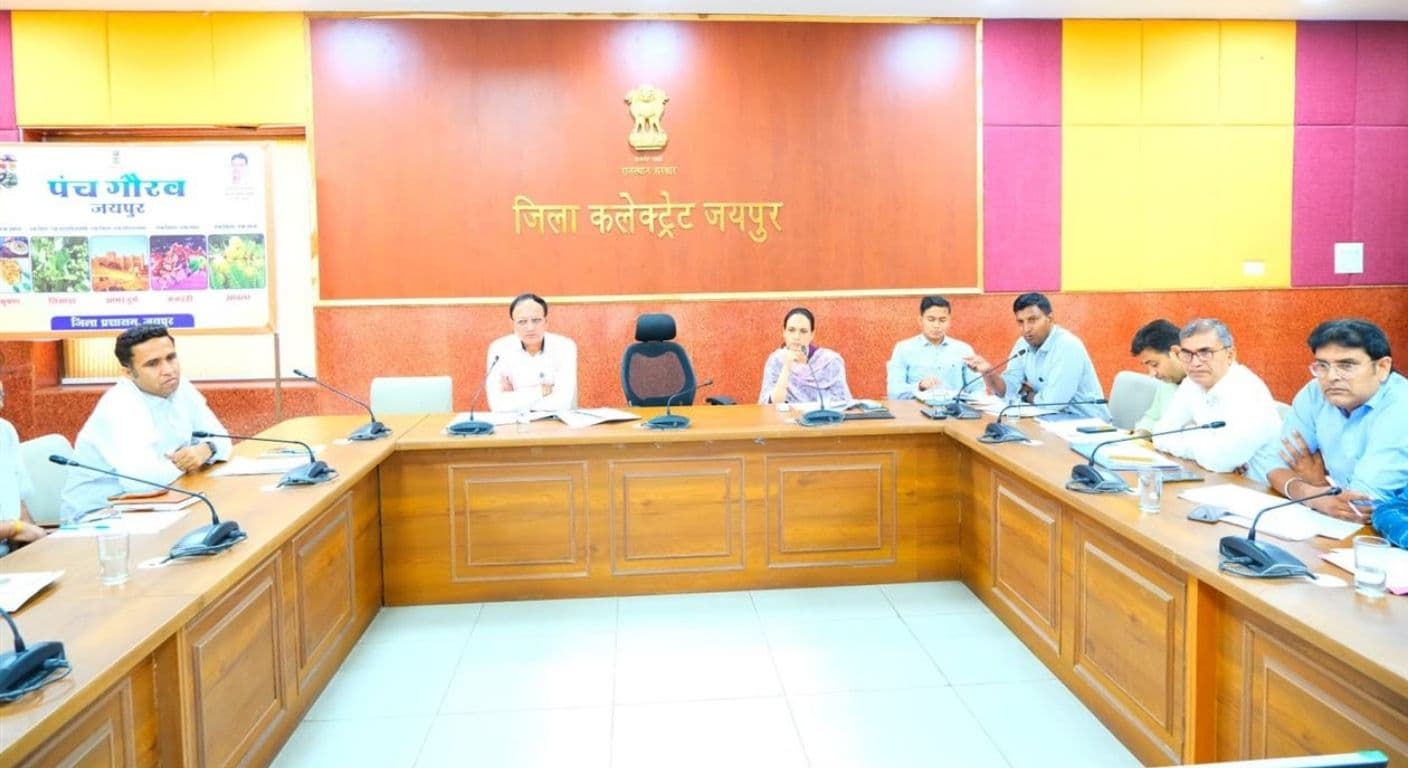

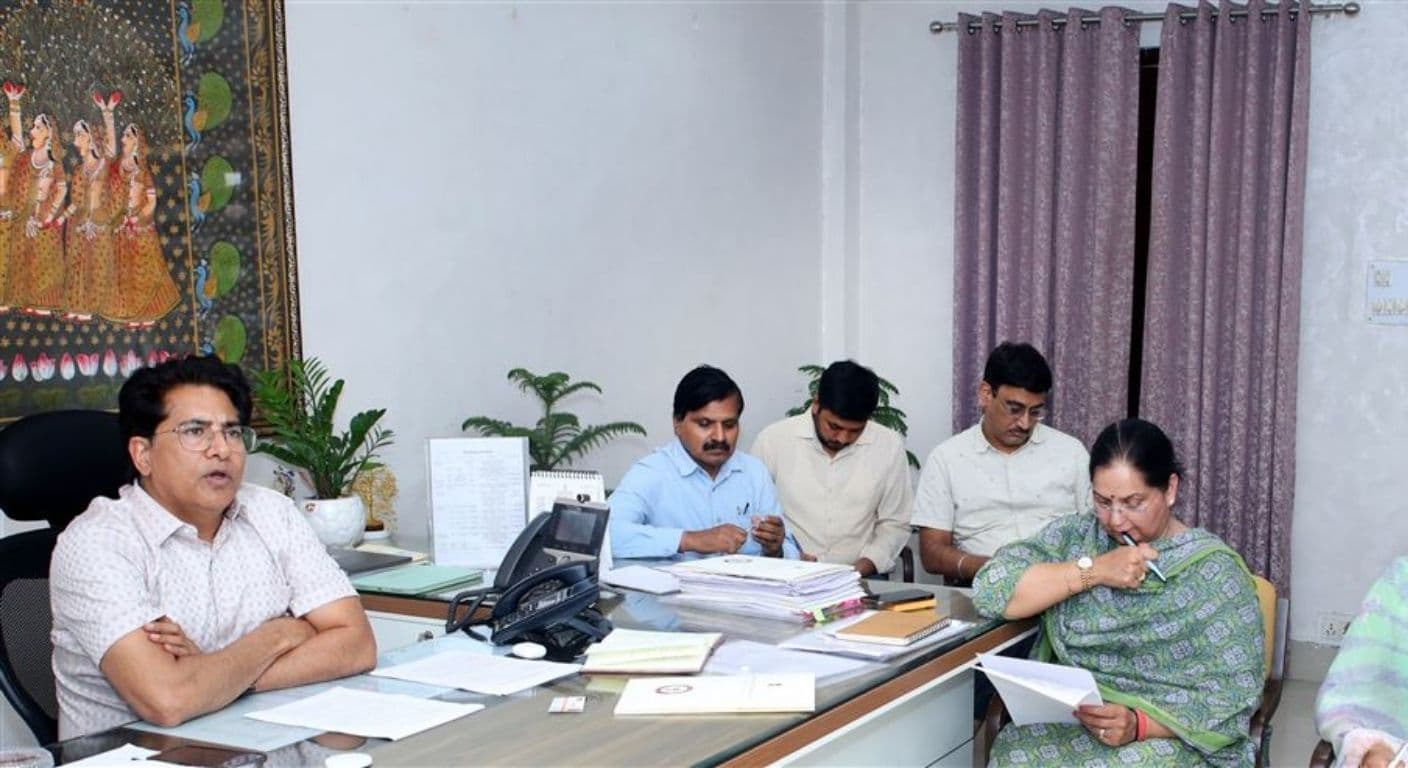
Rajasthan has ordered a fresh statewide safety audit of government school buildings as the monsoon season and the new academic cycle get underway. In a review held in Jaipur on July 1, 2026, Additional Chief Secretary Rajesh Kumar Yadav said students should not be made to study in unsafe buildings or in open spaces, and districts must move quickly wherever structural or safety risks are found.
The state has also said it will pay for safe transport if children need to be shifted to another school because their existing campus is not fit for use. Districts have been asked to send a detailed report to the state level within three days. For Jaipur readers, the meeting matters because it sets the immediate operating rules for how schools across Rajasthan will handle monsoon-related building risks, repairs and student safety in the opening stretch of the term.
Quick Highlights
- Rajasthan has ordered a fresh survey of unsafe and dilapidated government school buildings.
- Students must not be taught in unsafe buildings or open spaces.
- If children are shifted to another school, the state will bear transport costs.
- Districts can use two-shift teaching if that is needed to keep classes running safely.
- A detailed district report must reach the state level within three days.
- The review also covered textbook control, APAAR ID implementation, RTE complaints, enrolment and dropout prevention.
What districts have been told to do now
Each district has been told to re-survey unsafe school buildings and ensure safe seating arrangements for students. If a campus is flagged, classes must be shifted without delay to a nearby government school, public building or another safe facility. The receiving building must also be technically checked before students are moved there.
Officials were also told that, if necessary, schools can run in two shifts so classes continue without placing children in risky structures. The state has made it clear that emergency convenience cannot override safety.
| Issue | Direction from the review |
|---|---|
| Unsafe buildings | Conduct a fresh survey and move classes immediately if a building is not safe. |
| Student relocation | Use a nearby government school, public building or another safe facility after technical checks. |
| Transport | Arrange safe transport for shifted students, with the state bearing the cost. |
| Continuity of classes | Use two-shift teaching if needed, but do not run classes in risky structures or open areas. |
| Report deadline | Send a detailed update to the state level within three days. |
| Demolition work | Bring down dilapidated buildings only on student holidays to reduce accident risk. |
Monsoon safety and campus readiness
With the rainy season underway, districts have been told to inspect roofs immediately, prevent water accumulation, improve drainage and ensure water does not seep into building foundations. Classes operating in buildings found unsafe after inspection must be relocated at once.
The review also flagged everyday risks that often get missed until an emergency happens. Schools have been told to protect students from dangerous animals in campus areas and ensure children are not routed through drains or waterlogged stretches during heavy rain. That matters because the real safety challenge in monsoon months is often not one dramatic collapse but a chain of smaller, ignored hazards.
Textbooks, admissions and student tracking
The review went beyond buildings. Officials were told to prevent the use of fake or unauthorized books in schools. Private schools were told not to force costly books from private publishers and to stick to appropriately priced, approved textbooks. The department also pushed mandatory implementation of APAAR ID and asked for quick action on every RTE admission complaint.
At the same time, districts were asked to run a door-to-door enrolment drive to bring more children into government schools and reduce dropouts. Parents are to be informed about free textbooks, uniforms, scholarships, mid-day meals, transport where applicable and other state benefits that can make continued schooling easier.
What to watch next
The first near-term test will be the district reports due within three days. Those updates should show how many buildings need repair, how many classes may need shifting and where temporary transport or two-shift arrangements could be required.
If the audit is followed by quick repairs and safer relocation plans, the review could help schools avoid preventable monsoon accidents. If not, the real pressure will return to district administrations as parents look for proof that school reopening has been matched by genuine safety checks on the ground.