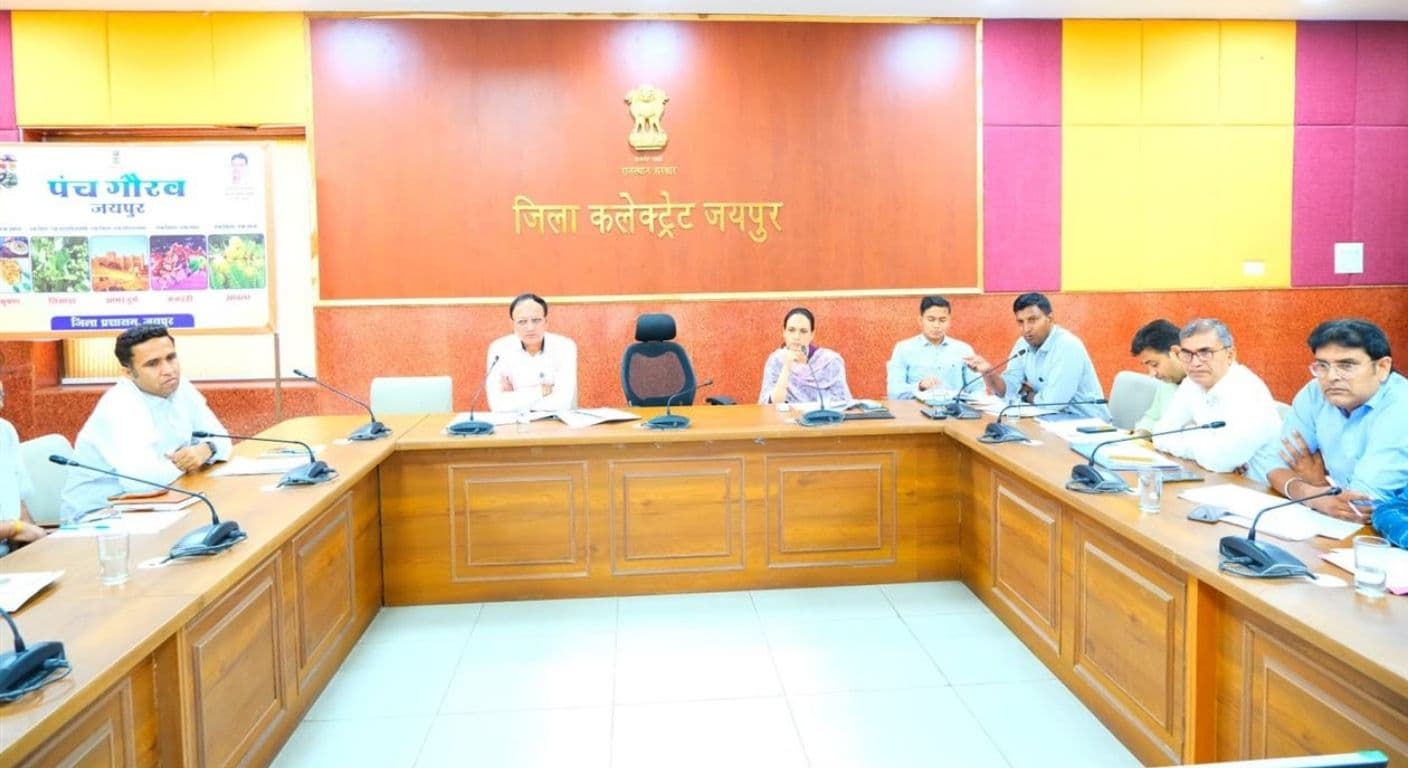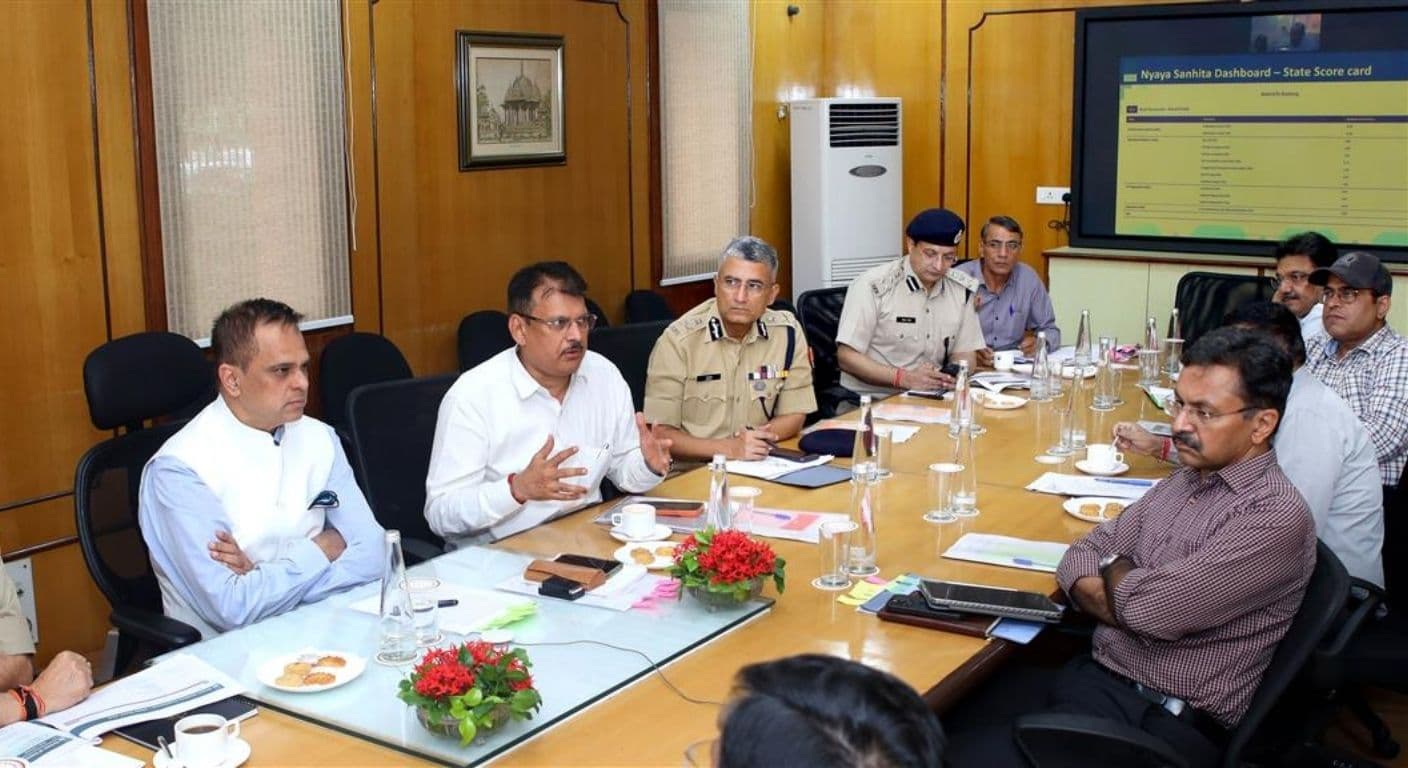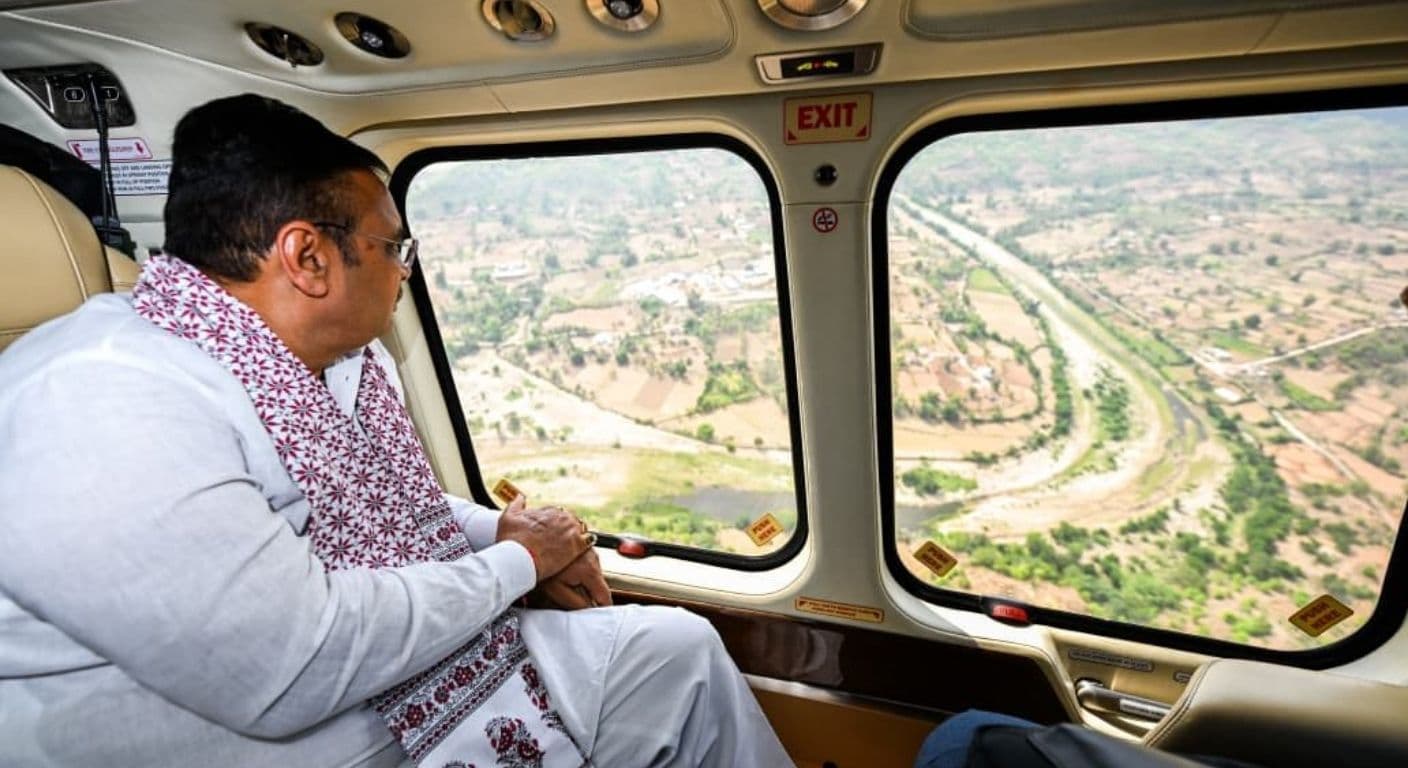


A long-pending push to bring Yamuna water to Rajasthan moved a step forward on June 23, 2026, when Chief Minister Bhajan Lal Sharma joined a meeting in New Delhi with Union Jal Shakti Minister C.R. Patil and Haryana Chief Minister Nayab Singh Saini. The meeting focused on the Yamuna water project, with officials saying key points of the project's memorandum of agreement (MoA) were finalised and implementation issues were discussed in detail.
The release also points to a potentially important design choice: carrying water through a pipeline-based network instead of a traditional canal system. For Rajasthan, and especially for the water-stressed Shekhawati region, the project is being presented as a major step in water management and long-term development, although the release does not provide a construction schedule, water-allocation breakdown or commissioning date.
Quick Highlights
- Key MoA points for the Yamuna water project were finalised at a June 23, 2026 meeting in New Delhi.
- Officials discussed a pipeline-based delivery model instead of a conventional canal system.
- The meeting also reviewed issues linked to the Kishau dam project, with a separate MoA expected later.
- The state described the project as especially important for Shekhawati and said farmers, industry and the wider public could benefit.
- No detailed timeline, project cost or water-sharing schedule was released.
What was discussed in Delhi
The Delhi meeting brought together the Centre, Rajasthan and Haryana around the next-stage paperwork and implementation questions. According to the release, the main outcome was that the important clauses of the MoA for the Yamuna water project were taken to a final stage, while officials also reviewed technical and coordination issues linked to rollout.
Senior officials from the central government, Rajasthan's Water Resources Department and the Haryana government were also present. That matters because the project depends on interstate coordination rather than a single-state execution model. For Jaipur readers, this is a reminder that some of Rajasthan's biggest water decisions are moving through multi-government negotiations rather than routine department announcements.
Why the pipeline model matters
One of the clearest takeaways from the meeting is the preference for a pipeline route over a traditional canal-based delivery system. Officials argued that this could improve water conservation while allowing a broader distribution arrangement. The release does not spell out engineering details, but the framing suggests the state is trying to reduce transmission losses and make delivery more efficient before the project reaches execution stage.
| Project element | What the meeting indicated |
|---|---|
| MoA progress | Key terms for the Yamuna water project were finalised. |
| Delivery system | A pipeline-based model was discussed instead of a conventional canal network. |
| Kishau dam track | Related issues were reviewed, and a separate MoA is expected. |
| Likely beneficiaries | The project was described as important for Shekhawati, with expected gains for farmers, industry and the public. |
Why Rajasthan is pushing this now
Sharma said Rajasthan has been seeking access to its share of Yamuna water for a long time and that the project is now seeing concrete progress. He described it as particularly important for Shekhawati, arguing that better water availability could support social and economic improvement across the region and strengthen the state's wider water-management system.
The discussion was not limited to the Yamuna project alone. The release says the Kishau dam project could also benefit Rajasthan, Delhi and Haryana, and that related issues involving multiple states have moved toward resolution. Haryana's side also referred to the broader Renuka, Lakhwar and Kishau project chain and discussions around conserving rainwater and routing it toward Rajasthan.
What to watch next
The next real checkpoint is not the meeting itself but the paperwork and rollout that follow it. Rajasthan readers will need clearer answers on when the MoA is formally signed, what the project timeline looks like, how much water is expected to reach the state, and how benefits would be distributed across affected regions.
For now, the strongest signal is that the state has moved from broad demand to a more concrete interstate negotiating stage. If the MoA is signed and implementation details are released, this could become one of the more consequential long-horizon water stories for Rajasthan in the coming years.