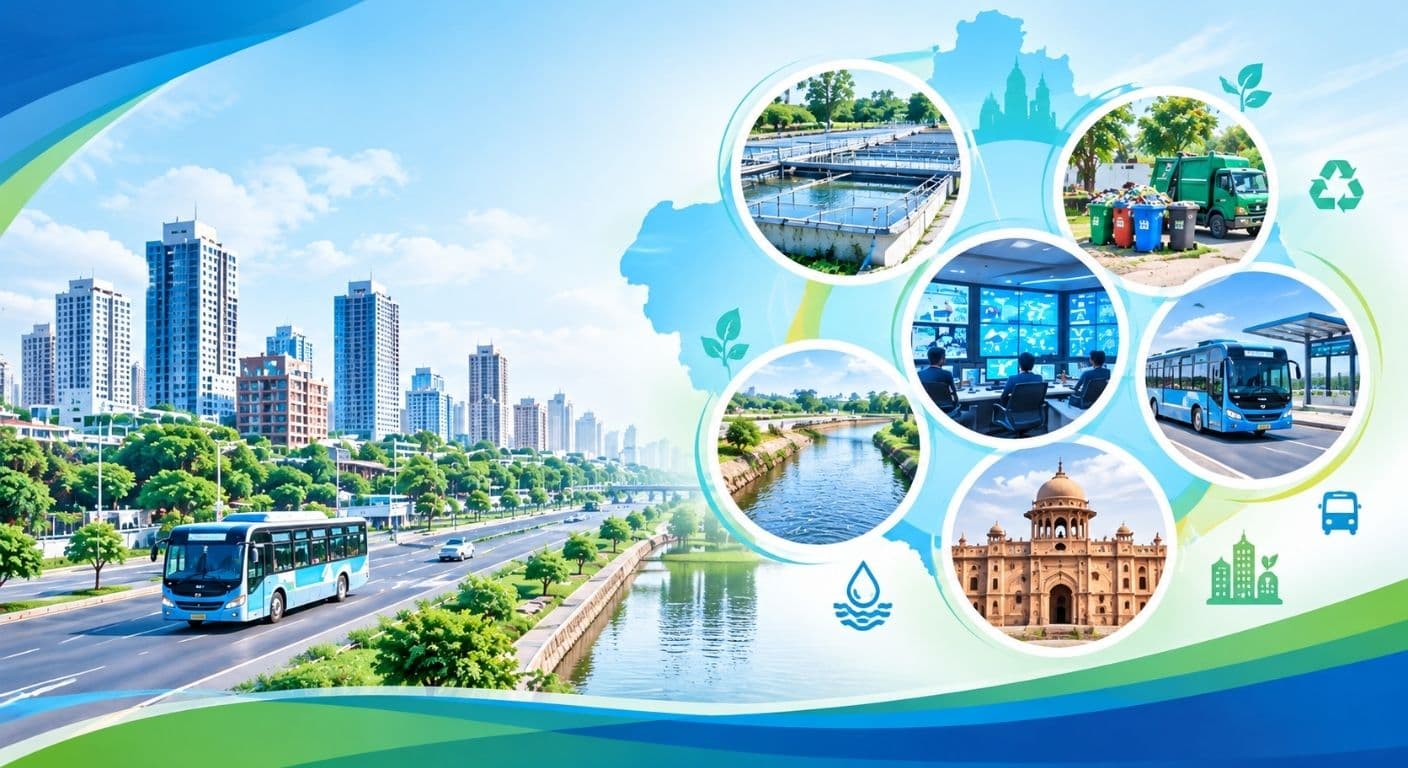

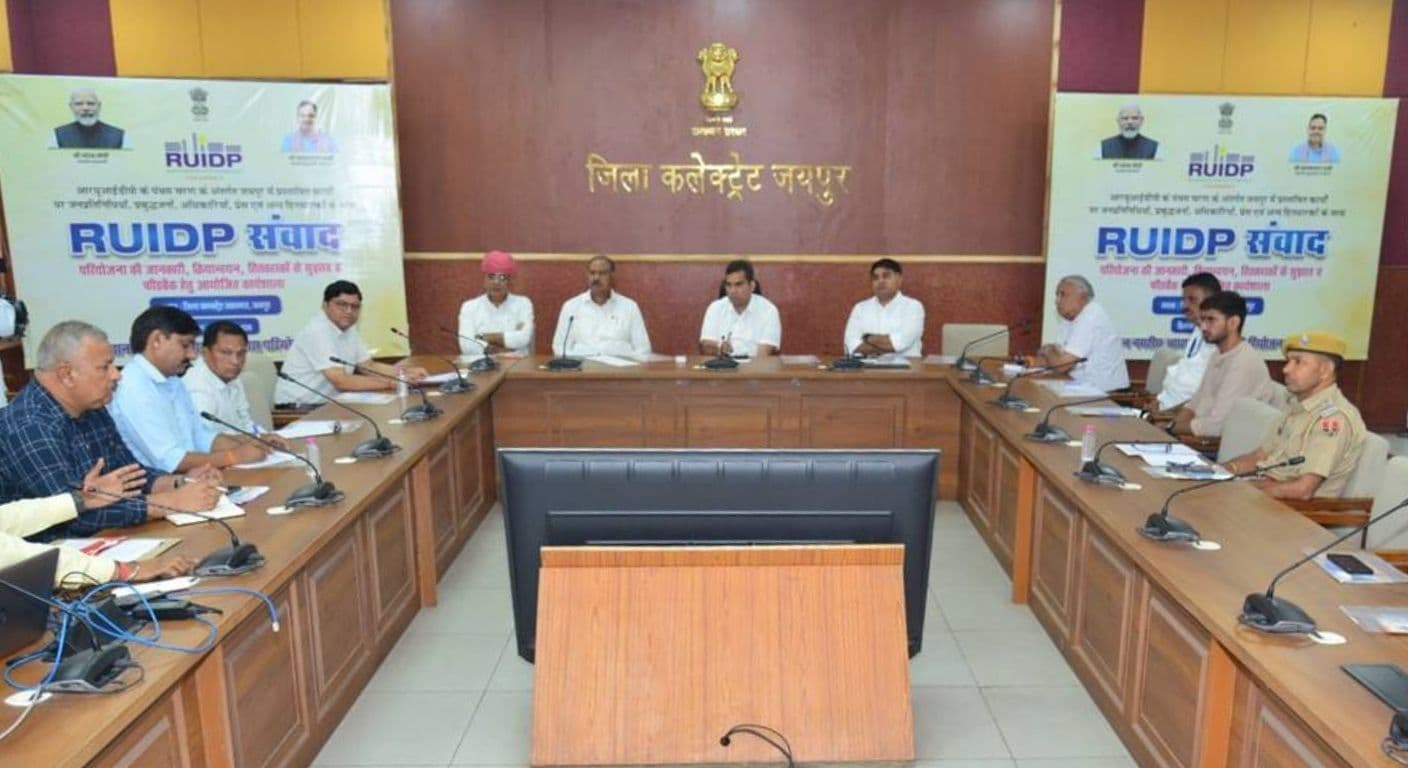
RUIDP phase 5 consultations are beginning to reveal what cities want folded into Rajasthan's next big urban infrastructure push, with treated-water reuse, sewer modernization and satellite-town planning emerging as early themes during the August 5-11, 2026 consultation window. In the Jaipur leg of the RUIDP Samvad meetings, officials and stakeholders reviewed a proposed Rs 2,233 crore package while also pressing for more practical water and wastewater interventions.
The bigger significance is that the phase-5 process is moving beyond a broad funding headline. The consultations are now surfacing the kind of location-specific demands that could shape how the wider Rs 9,500 crore urban works pipeline is finally structured across Rajasthan, and Jaipur is already offering one of the clearest early examples of that feedback in action.
Quick Highlights
- RUIDP Samvad consultations are being held from August 5 to August 11, 2026.
- The broader phase-5 urban works framework is pegged at about Rs 9,500 crore across 84 cities.
- In Jaipur, one consultation reviewed a proposed Rs 2,233 crore package while highlighting local infrastructure priorities.
- Treated-water reuse emerged as a key theme because it can reduce pressure on groundwater extraction.
- Stakeholders also pushed for stronger sewage-treatment capacity, older sewer-line upgrades and better attention to fast-growing satellite towns.
What the Jaipur leg is signaling for phase 5
The clearest message from the discussion is that phase 5 will be judged not only by the size of the budget but by whether it addresses long-running utility gaps. In Jaipur, participants called for adequate sewage-treatment capacity for polluted flows moving toward local water bodies, and specific references included Jal Mahal and Kanota Dam. They also argued that old sewer-line upgrades should not be left outside the next round of planning.
The feedback also pointed toward the expanding edge of urban growth. Fast-growing satellite areas such as Achrol and Kukas were cited as places that deserve inclusion in the planning frame, which matters because urban expansion often outruns infrastructure investment when peripheral settlements are treated as secondary. Even in a statewide consultation round, these Jaipur examples help show how local demands could influence the final shape of phase 5.
| Issue raised in the consultation | Why it matters for phase 5 |
|---|---|
| Treated-water reuse | Can reduce freshwater and groundwater pressure while making wastewater infrastructure more productive. |
| Sewage-treatment capacity near Jaipur water bodies | Helps address polluted inflows affecting locations such as Jal Mahal and Kanota Dam. |
| Old sewer-line upgrades | Targets legacy network weaknesses instead of limiting investment to new construction only. |
| Satellite-town inclusion | Brings fast-urbanizing fringe areas such as Achrol and Kukas into the planning system before service gaps widen further. |
| Faster, lower-disruption execution | Improves the odds that residents see benefits sooner and face fewer implementation problems. |
Why water reuse is emerging as a bigger urban theme
The strongest longer-term policy idea raised in the consultation was the push for treated-water reuse. That matters because it links phase 5 to a much wider state-level concern: how cities can keep expanding without leaning even harder on already stressed freshwater and groundwater sources.
If reuse becomes a serious design principle rather than a side note, phase 5 could do more than add infrastructure assets. It could help shift urban planning toward a more circular water model, where treated wastewater is seen as a resource and not only as an end-of-pipe disposal problem.
What happens next
The examples above come from the Jaipur leg of the consultation round, but the broader story is still statewide. Similar stakeholder meetings are being held in 84 cities, and the next real test will be whether the suggestions collected during this window are actually absorbed into the final project structure.
If that happens, phase 5 could move closer to a more practical urban-services package built around water resilience, cleaner networks and better planning for fast-growing settlements. If not, the consultation round will still matter, but mainly as an early record of what cities said they needed before the next investment cycle was finalized.