
The book highlights five traditional painting styles of Rajasthan and the inspiring journeys of rural women artisans associated with Rajeevika, showcasing how art, cultural preservation and economic empowerment go hand in hand.
New Delhi, November 16, 2026: Rajasthan’s rich cultural heritage is widely celebrated through its magnificent forts, colourful textiles, traditional music and intricate handicrafts. However, behind this vibrant identity are countless women whose creativity, dedication and artistic skills have preserved the state's traditional art forms for generations.
Bringing their remarkable stories into the spotlight is “Raj Kriti – The Spirit of Rajeevika Women in Color,” a book authored by Neha Giri, Director in the Union Ministry of Minority Affairs.
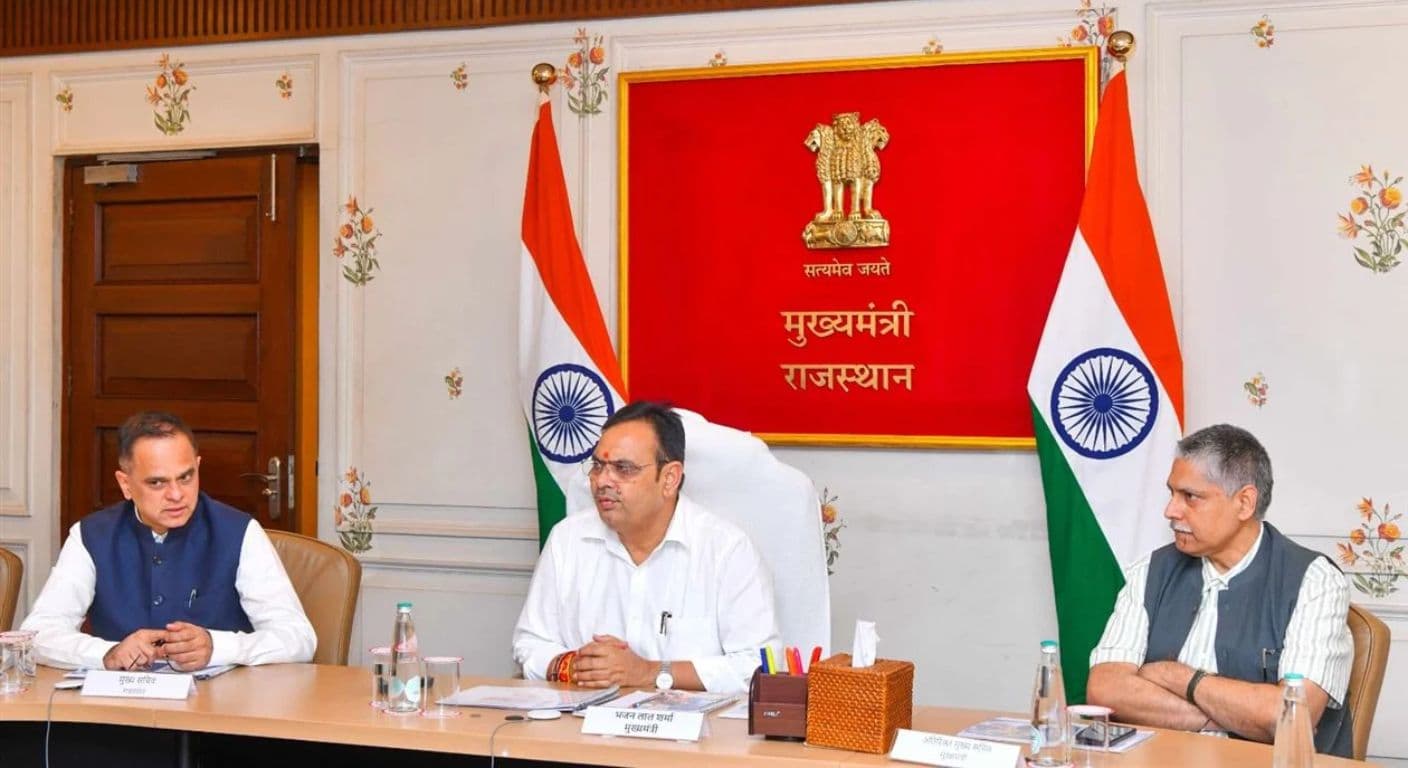
Released by Rajasthan Chief Minister Bhajan Lal Sharma, the book celebrates five distinctive painting traditions of Rajasthan—Rajasthani Miniature Painting, Pichwai, Bani-Thani, Mandana and Kavad—through the inspiring journeys of women artists associated with Rajeevika's Self-Help Groups (SHGs).
These women have not only preserved traditional artistic practices but have also transformed their creativity into opportunities for recognition, financial independence and sustainable livelihoods.
Raj Kriti Book Discussion Held at Bikaner House in New Delhi
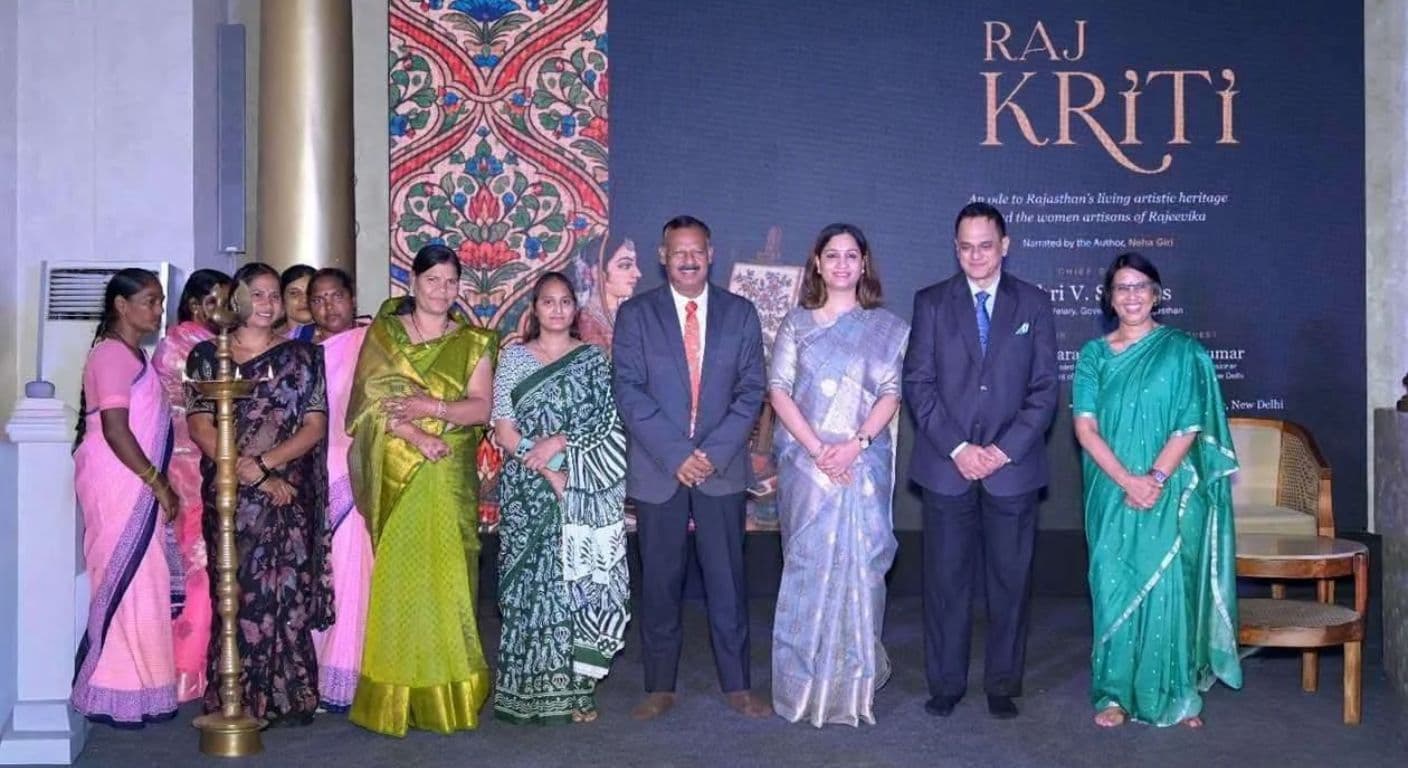
A special book discussion titled “A Conversation Beyond the Pages” was organised on Sunday at Bikaner House, New Delhi, celebrating Rajasthan's artistic heritage and the women keeping its traditional painting styles alive.
The event was attended by Rajasthan Chief Secretary V. Srinivas as the chief guest, Smriti Saran, Member of the Postal Services Board, as the guest of honour, and Rohit Kumar, Principal Resident Commissioner, as the special guest.
The programme began with the traditional lighting of the ceremonial lamp, followed by a heartfelt welcome from the women artists featured in the book. They presented handcrafted crochet bouquets and traditional stoles to the distinguished guests.
Adding a cultural touch to the occasion, renowned Langa folk artist Mohammad Rafiq Khan from Jodhpur and his group delivered a captivating performance of traditional Rajasthani folk music.
Neha Giri Highlights the Collective Effort Behind Raj Kriti
During the book presentation, author Neha Giri shared the journey behind Raj Kriti, while illustrations from the publication were displayed across the walls and ceiling of the ballroom, creating an immersive celebration of Rajasthan's artistic traditions.
Reflecting on her experience as the former State Mission Director of Rajeevika, Giri acknowledged the collective efforts of development officials, community workers, non-governmental organisations, master trainers, Rajeevika officials, the Rural Development Department and Bank of Baroda's Rural Self Employment Training Institutes (RSETIs).
She emphasised that the book was not the achievement of a single individual but the result of years of collective dedication, grassroots participation and sustained efforts to empower rural women.
Rajasthan's Women Artists Share Their Inspiring Journeys
One of the most memorable aspects of the event was the opportunity to hear directly from the women artists whose lives and creative journeys are featured in the book.
Radha Raidas: Bringing Mandana Art from Village Courtyards to National Platforms
Radha Raidas, a Mandana artist from Arnod in Pratapgarh district, shared how she learned the traditional art form by watching her mother and grandmother decorate the walls and courtyards of their homes.
Today, she creates Mandana paintings on canvas, participates in exhibitions and showcases her work at various platforms.
Her journey from a life behind the veil to confidently sharing her story on a stage in New Delhi reflects the transformative power of artistic recognition and economic empowerment.
Imla Devi: Preserving Five Generations of Traditional Craftsmanship in Jaipur
Jaipur-based artisan Imla Devi shared her experience of carrying forward a decorative craft tradition that has been preserved in her family for five generations.
Through her enterprise, Imla Handicrafts, she produces beautifully painted bowls, trays, jars and other handcrafted decorative products.
With support from Rajeevika, she has expanded her entrepreneurial activities while creating livelihood opportunities for other rural women.
Lavina Jangid: Turning Artistic Passion into Financial Independence
Another Jaipur-based artist, Lavina Jangid, spoke about how Rajeevika's training and institutional support helped transform her childhood passion for art into a sustainable source of income.
Her work includes Mandala art, dot painting, Pichwai-inspired creations and traditional Rajasthani motifs.
The event also honoured several other talented women artists, including Santosh Suthar from Chittorgarh for Kavad art, Padma Meghwal from Udaipur for Pichwai painting and Pooja Sahu from Kishangarh for Bani-Thani painting.
Together, these artists represent the diversity of Rajasthan's traditional painting styles and the growing role of women in preserving the state's cultural identity.
From Village Courtyards to the National Capital: A Discussion on Living Heritage
A special panel discussion titled “From Courtyards to the Capital” explored how traditional art forms can evolve with changing times while retaining their cultural authenticity.
The session was moderated by Yuvragi Singh Rathore, storyteller at The Wise Stories of Rajasthan.
The panel featured Dr. Ujjwala M. Tiwari, Director of the School of Fine Arts, Jaipur; Neeru Meena, State Project Manager (Administration), RRDS, Rural Development Department; and author Neha Giri.
The discussion focused on the importance of recognising traditional art as living heritage rather than merely a part of the past.
Participants highlighted the role of skill development, educational institutions, exhibitions and improved market access in helping traditional artists sustain their livelihoods while preserving their creative identity.
A video message from Dr. Anjali Rajoria, Joint Secretary in the Home Department, highlighted the revival of Mandana art in Pratapgarh.
During her tenure as District Collector of Pratapgarh, Dr. Rajoria became closely associated with the traditional art form. The revival initiative subsequently expanded to hundreds of homes and public spaces, demonstrating how community participation can help preserve cultural traditions.
Expanding Market Opportunities for Rural Women Artists
The event also highlighted the need to connect Rajasthan's rural women artisans with larger markets, cultural institutions and potential buyers.
Principal Resident Commissioner Rohit Kumar emphasised that presenting the journeys of these women in the national capital would help introduce Rajasthan's lesser-known artistic traditions to wider audiences.
He also stressed the importance of transforming this recognition into long-term relationships with buyers and cultural organisations.
Smriti Saran, Member of the Postal Services Board, highlighted the importance of recognising rural women as both artists and entrepreneurs to ensure that their skills receive fair economic value.
She advocated expanding market access through institutional platforms, including India's extensive postal network.
A proposal was also discussed to make handcrafted products created by Rajeevika women artists available through post offices, potentially opening new avenues for sales and visibility.
Rajasthan Government Reaffirms Support for Rajeevika Women Artists
Addressing the gathering, Chief Secretary V. Srinivas emphasised the importance of bringing the stories and contributions of rural women into broader public discussions.
He reaffirmed the Rajasthan government's commitment to supporting women artists associated with Rajeevika and helping them reach wider markets.
The initiative reflects the growing recognition that traditional arts and crafts can play an important role in strengthening rural livelihoods, encouraging entrepreneurship and promoting women's economic participation.
Book Signing and Art Exhibition Showcase Rajasthan's Creative Heritage
The programme was coordinated and managed by Abhimanyu Singh Tomar, while the proceedings were conducted by Angeline D. Chauhan.
The event concluded with a vote of thanks by author Neha Giri, followed by a book-signing session and an exhibition featuring artworks created by Rajeevika's women artists.
The exhibition provided visitors with an opportunity to appreciate the craftsmanship, artistic diversity and cultural significance of Rajasthan's traditional painting styles.
Raj Kriti: Celebrating Art, Identity and Women's Empowerment
Raj Kriti – The Spirit of Rajeevika Women in Color is more than a book documenting Rajasthan's traditional painting styles. It is a tribute to the creativity, resilience and entrepreneurial spirit of women who continue to shape the state's cultural heritage.
Through personal stories and artistic expressions, the publication demonstrates how cultural preservation and economic empowerment can progress together.
By bringing rural women artists into the national spotlight, Raj Kriti highlights the importance of providing traditional artisans with recognition, institutional support and sustainable market opportunities.
As author Neha Giri beautifully expresses:
“When art is respected, artists flourish, and with them, entire communities are empowered.”
The book ultimately celebrates the women whose hands, imagination and determination continue to keep Rajasthan's artistic traditions alive for future generations.