
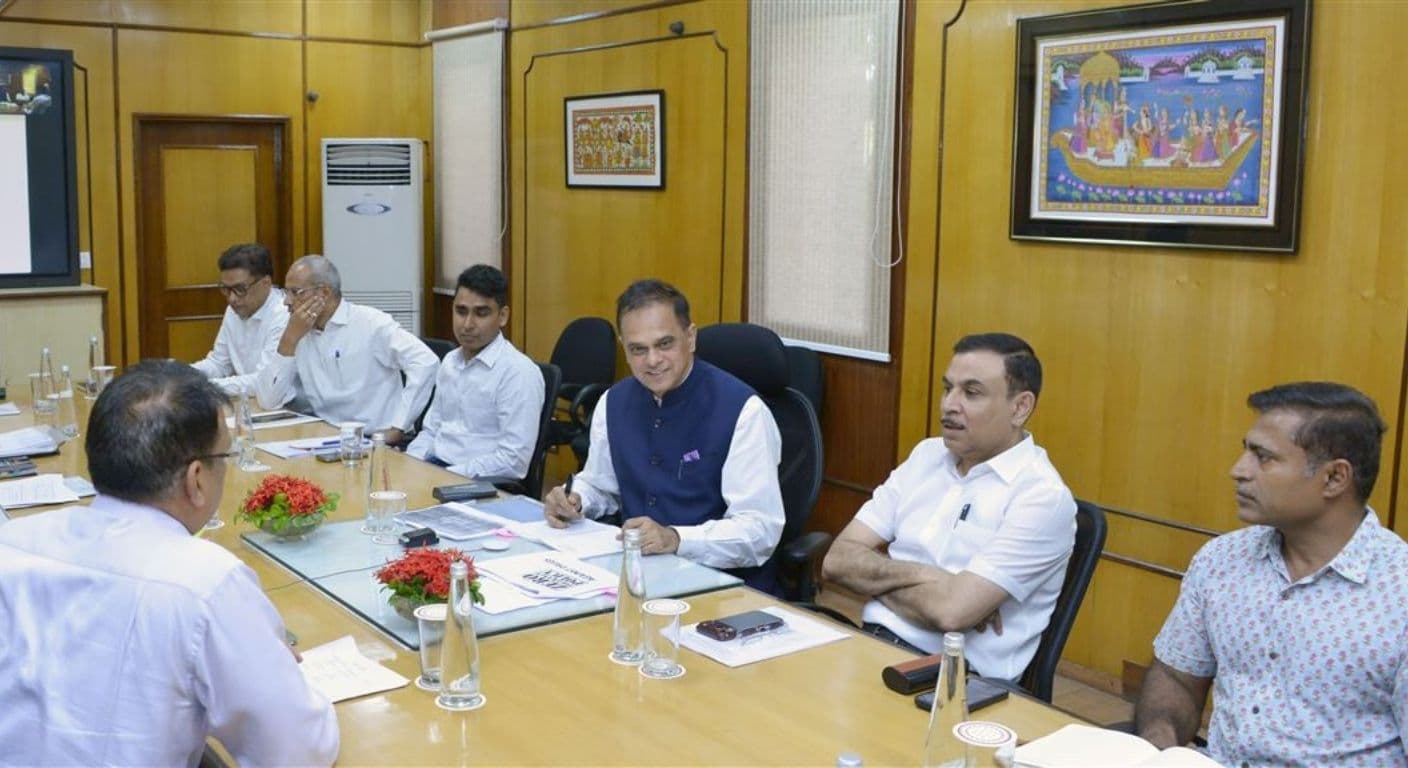
Rajasthan is preparing a Narcotics Control Vision 2026-29 to tackle drug trafficking and substance misuse through a coordinated state strategy. Chief Secretary V. Srinivas reviewed preparations at the Secretariat in Jaipur on September 10.
The proposed framework brings together enforcement, prevention and efforts to reduce drug-related harm. The Jaipur review covered work by police, education, health and industry departments, with directions to strengthen information sharing and coordination.
Four priorities for the proposed strategy
Srinivas asked departments to build the vision around four pillars:
- Enforcement, intelligence and operations against drug trafficking.
- Control of precursor chemicals and synthetic drugs.
- Reduction of drug demand and associated harm.
- Capacity building, coordination and monitoring.
He also called for effective, scientific forensic examination in drug cases and regular district-level NCORD meetings to improve coordination between agencies.
Rs 730 crore in seizures presented at the review
Officials told the meeting that the Anti Narcotics Task Force had seized drugs valued at approximately Rs 730 crore and arrested 93 people described as key drug-network operators. They also reported the detection of 34 MD manufacturing units in the state.
The review recorded 5,626 cases under the NDPS Act involving alleged drug trafficking and sales. These were presented as figures recorded so far; no common reporting period was specified for the enforcement totals.
Officials said Rajasthan currently ranked first nationally in seizures of opium, poppy husk and MD. The meeting also reviewed action against repeat suspects and the destruction of seized drugs.
Focus on vulnerable districts and educational institutions
De-addiction camps are being organised with a particular focus on 12 districts identified as the most vulnerable, while monitoring is being strengthened in districts identified as hotspots.
Departments are also conducting awareness and outreach activities under the Nasha Mukt Bharat Abhiyan. Officials described a special campaign aimed at making the area within 500 metres of educational institutions drug-free.
The vision remains under preparation. The immediate directions centre on coordinated departmental action, stronger forensic work and regular district reviews alongside prevention and outreach.