
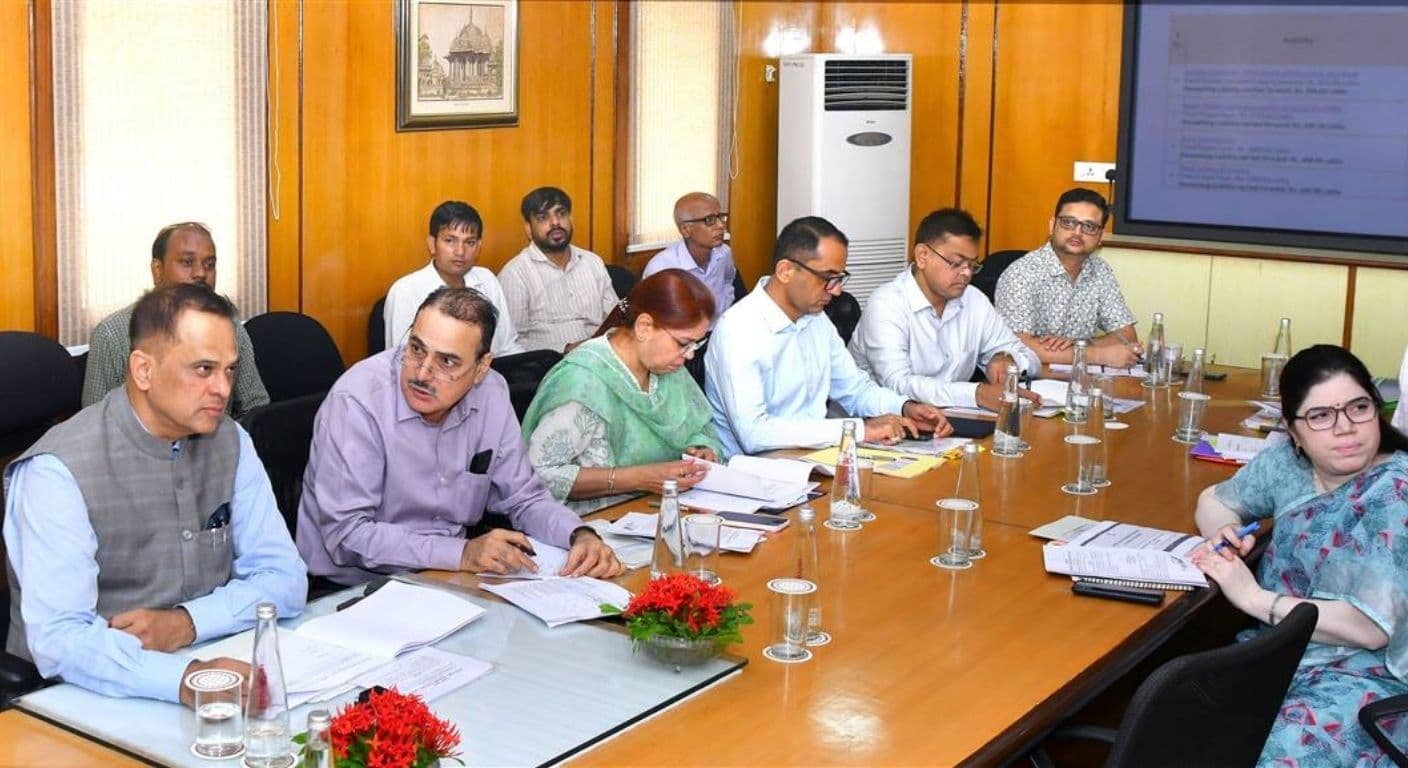
Rajasthan has cleared a sizeable new tribal-area development package after a state-level executive committee review chaired by Chief Secretary V. Srinivas approved Rs 196.39 crore in annual proposals for 2026-27 under Article 275(1). The meeting, held on Wednesday, July 29, 2026, focused on how state support should reach remote and tribal-majority regions through a mix of education, infrastructure, livelihood and community-support projects.
The significance of the package lies in its spread. Instead of being built around one flagship announcement, the approved proposals stretch across childcare, youth skilling, agriculture support, school technology, local infrastructure and quality monitoring. That makes the story less about a single budget figure and more about how the state wants to structure delivery in harder-to-reach tribal belts over the coming financial year.
Quick Highlights
- Rs 196.39 crore in annual proposals was approved for 2026-27 under Article 275(1).
- The review told departments to prioritise remote tribal settlements, PVTG-heavy areas and difficult rural pockets.
- The approved targets include 28 community creches, skill training for 1,820 youth, integrated agriculture support for 500 tribal families and STEM labs in 26 residential schools.
- Capital works include 395 permanent Maa Bari centre buildings and road and culvert-related works at 333 locations.
- Officials were told to move beyond paperwork and conduct surprise field inspections at schools, hostels, centres and infrastructure sites.
Where the approved targets are going
The package is not built around a single mega project. Instead, it spreads across several categories that affect day-to-day service delivery in tribal regions. Some of the commitments are tied to finishing earlier liabilities such as residential schools, ashram hostels, sports hostels and road-culvert works in locations including Jaswantpura in Jalore and Bali in Pali. The newer approvals then widen the focus to childcare, youth training, agriculture support, school technology and local infrastructure.
| Approved 2026-27 target | Current scale |
|---|---|
| Annual proposal size under Article 275(1) | Rs 196.39 crore |
| Community creches for PVTG communities | 28 |
| Market-oriented skill training | 1,820 youth |
| Integrated agriculture models | 500 tribal families |
| STEM labs in residential schools | 26 schools |
| Permanent Maa Bari centre buildings | 395 |
| Road and rapat-pulia works | 333 locations |
The list also includes a tribal guest house and haat bazaar at Kotra in Udaipur, showing that the package is trying to combine welfare and education support with more visible physical infrastructure. That mix matters because tribal-development spending is often judged both by immediate social support and by whether durable public assets are actually built on the ground.
What officials want to change in execution
The review was not only about sanctioning numbers. It also pushed departments toward a more inspection-led way of working. The Chief Secretary told officials not to remain confined to paper reports and asked them to carry out direct checks at Eklavya Model Residential Schools, ashram hostels, Maa Bari centres and under-construction works. That is an important signal because the credibility of this package will depend less on approval language and more on whether field quality is tracked consistently.
Another operational message was about alignment with the Centre. Future proposals are supposed to give priority to the Union Tribal Affairs Ministry's guidance as well as suggestions connected to the Dharti Aaba Janjatiya Gram Utkarsh Abhiyan and the PM JANMAN programme. Officials were also told to ensure that approved proposals are sent to Delhi without delay so Project Approval Committee clearance and budget allocation do not get stuck in the pipeline.
Innovation projects were also put in focus
The review asked for a high-quality documentary film on successful interventions already seen in tribal regions, including drone logistics, a satellite tribal health resource centre, sex-sorted semen technology for animal husbandry and STEM labs. That may look softer than the budget decisions, but it shows the state also wants to package and scale up models it sees as working in hard-to-reach areas.
The next real test is execution. If the approved Rs 196.39 crore package moves quickly, the state could turn a broad tribal-development promise into a trackable mix of childcare, education, livelihood and infrastructure outcomes. If execution slows, the review will still stand out as a detailed planning exercise, but the bigger question will remain whether the approved targets translate into visible change on the ground.