
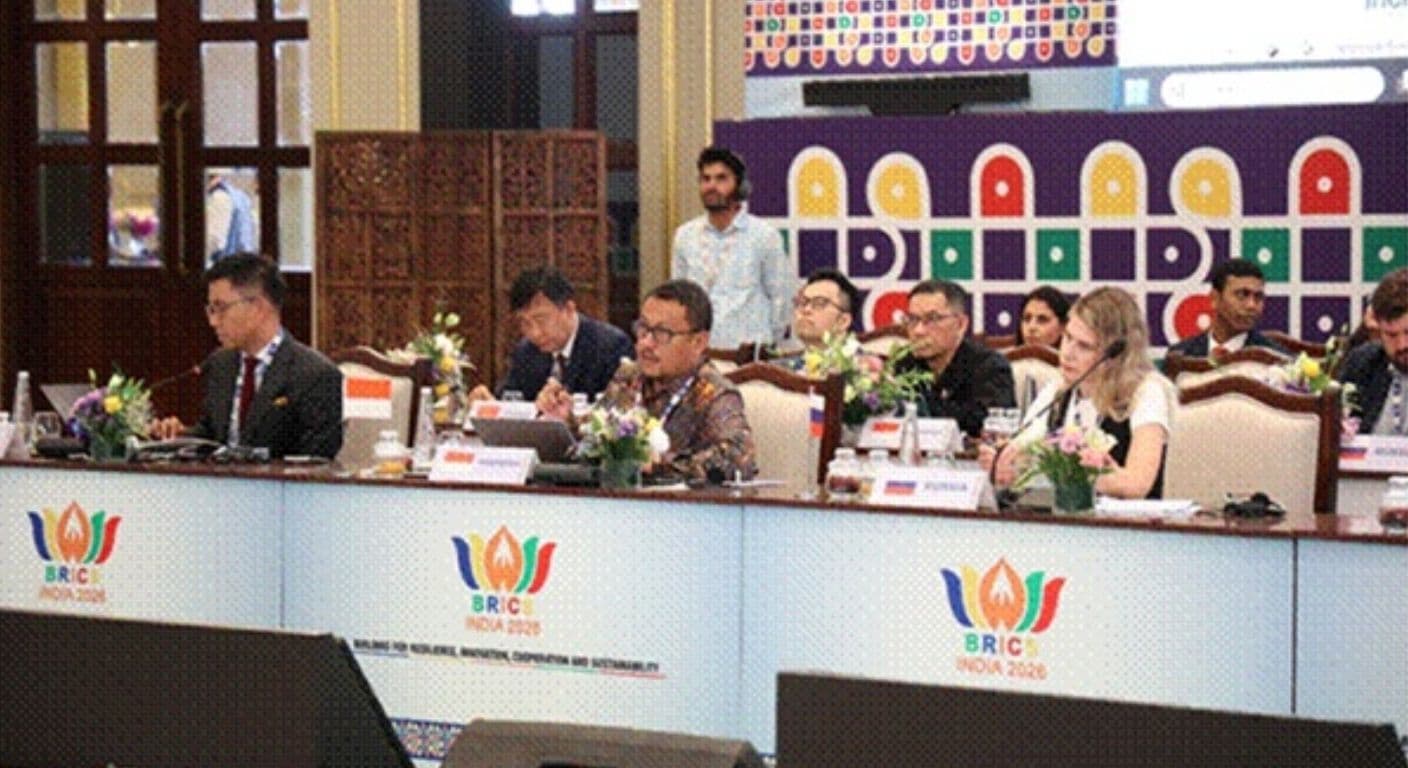
The 2nd BRICS 2026 Tourism Working Group meeting on Wednesday, August 19, 2026 advanced a broader policy agenda around artificial intelligence, sustainability, tourism skilling and seamless travel facilitation under India's BRICS Chairship. Chaired by Bhuvnesh Kumar, Secretary in the Ministry of Tourism, the meeting was positioned as an important step before the BRICS Tourism Ministers' Meeting on August 21, 2026.
The significance lies less in the venue itself and more in the direction of the discussions. BRICS countries are using the tourism track to talk about how travel systems should respond to technological change, evolving traveller expectations and the growing pressure for more sustainable and community-centred growth. That makes the meeting relevant not just as a diplomatic event, but as a marker of where multilateral tourism cooperation is heading.
Quick Highlights
- The 2nd BRICS 2026 Tourism Working Group meeting was held on August 19, 2026.
- The process followed the 1st working group meeting, which took place virtually on May 25, 2026.
- India's chairship priorities covered AI and tourism, sustainability and responsible tourism, tourism skilling and capacity building, and tourism exchanges with seamless travel facilitation.
- Officials said the deliberations would help shape the BRICS Tourism Ministers' Meeting on August 21, 2026.
- A technical visit on August 20, 2026 was scheduled as part of the wider programme.
What the working group focused on
The discussion carried forward four themes that India has placed at the centre of its BRICS tourism track. These include the responsible use of artificial intelligence in tourism, sustainability and responsible tourism, skilling and capacity building, and smoother tourism exchanges and travel facilitation. The larger chairship theme was "Building for Resilience, Innovation, Cooperation and Sustainability".
That combination matters because it pushes the tourism conversation beyond promotion alone. The meeting framed tourism as a driver of economic growth, employment, sustainable development and people-to-people exchange, while also recognising that the sector is being reshaped by digital tools, changing visitor behaviour and the need for more resilient systems.
| Date | Programme point | Why it matters |
|---|---|---|
| May 25, 2026 | 1st BRICS Tourism Working Group meeting held virtually | Set the process in motion before the second round of discussions. |
| August 19, 2026 | 2nd working group meeting held under India's chairship | Advanced talks on AI, sustainability, skilling and seamless travel. |
| August 20, 2026 | Scheduled technical visit for delegates | Added an on-ground programme component alongside policy discussions. |
| August 21, 2026 | BRICS Tourism Ministers' Meeting | Expected to take up the working group's deliberations at the ministerial level. |
Why this matters beyond one meeting
The strongest takeaway is that BRICS tourism cooperation is becoming more structured and more future-facing. Instead of limiting the agenda to destination marketing or ceremonial exchanges, the discussion is increasingly focused on how countries can coordinate around smart tourism tools, responsible growth models, workforce development and smoother visitor movement.
That shift could matter over time because these are the kinds of issues that shape how tourism systems perform in practice. If cooperation deepens, it may influence everything from digital visitor services and skills development to the way destinations balance growth with sustainability and community impact.
What happens next
The immediate next step is the BRICS Tourism Ministers' Meeting on August 21, 2026, which officials said would draw on the working group's deliberations. A technical visit scheduled for August 20, 2026 formed part of the run-up to that ministerial stage.
No immediate consumer-facing tourism policy change was announced in this release. Even so, the August 19 meeting matters because it shows the BRICS tourism track moving toward a practical agenda built around technology, sustainability, skills and smoother travel systems rather than broad cooperation language alone.