
Energy experts meeting in Jaipur on October 28 called for battery storage to become part of electricity distribution companies’ long-term planning. Their discussions at Distribution Utility Meet 2026 (DUM 2026) focused on managing evening demand, using renewable power more effectively and improving grid reliability.
The session, held on the second day of the meet, examined selected case studies of battery energy storage systems (BESS) in electricity distribution. For Jaipur’s power network, the issues under discussion include how to use rooftop solar generation more effectively and ease pressure on the grid during periods of high demand.
Storing daytime solar for evening demand
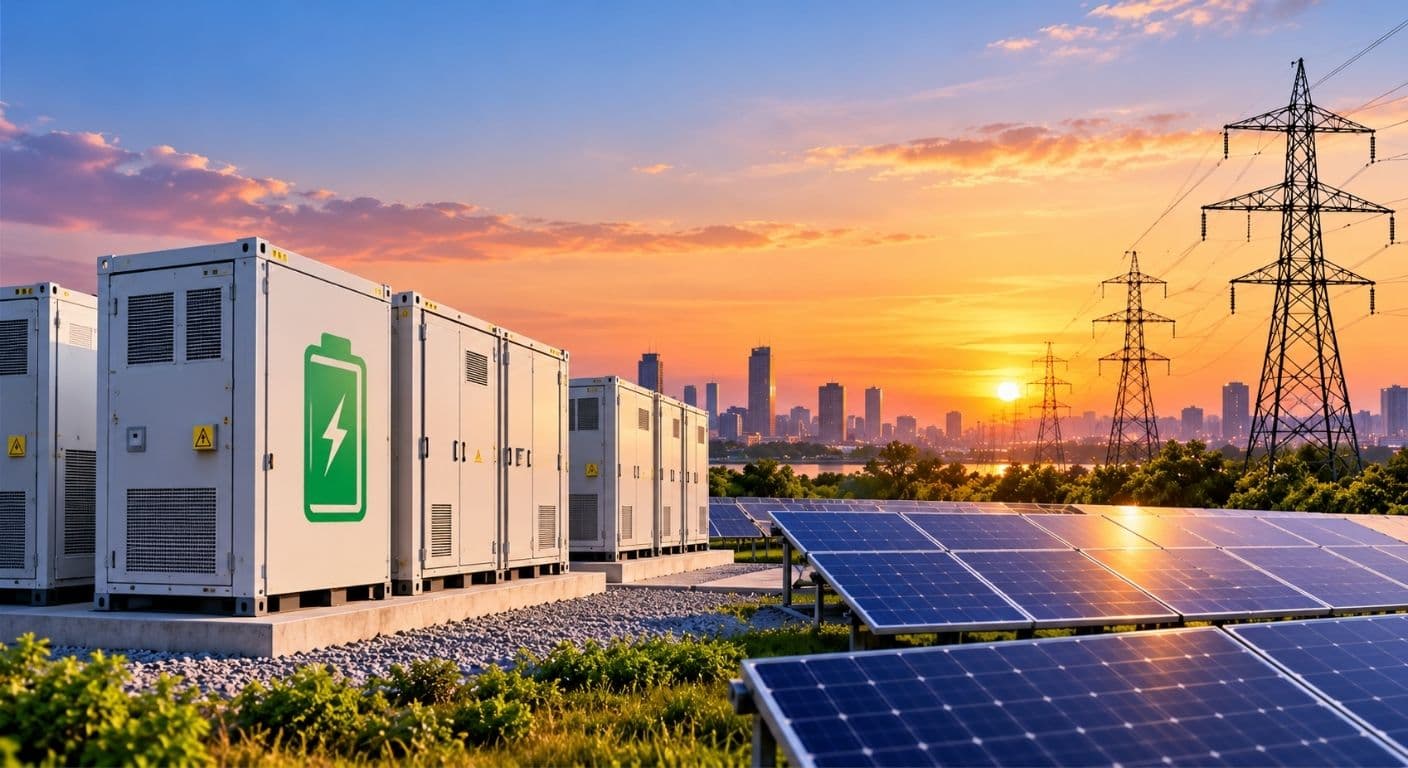
Battery systems can store surplus solar electricity during the day and make it available when demand rises in the evening. Speakers highlighted their potential to improve power quality, help integrate rooftop solar and other renewable sources, and reduce the need for some network expansion.
The discussion drew on selected projects involving Tata Power-DDL, BRPL, Gujarat and Maharashtra. Participants examined technical approaches alongside project costs, day-to-day operation and business models.
India’s energy storage needs set to grow
The session highlighted projections under the National Electricity Plan 2023, which put India’s total energy storage requirement at 82.37 gigawatt-hours in 2026–27 and 411.4 gigawatt-hours by 2031–32. A longer-term estimate discussed at the meet puts the requirement at around 1,840 gigawatt-hours by 2047.
| Period | Projected national energy storage requirement |
|---|---|
| 2026–27 | 82.37 GWh |
| 2031–32 | 411.4 GWh |
| 2047 | Approximately 1,840 GWh |
These figures describe projected storage needs across India. The discussion in Jaipur explored how distribution utilities can prepare for that growth through their own planning and grid modernisation.
Financing and project design remain central
Experts stressed that wider use of storage requires suitable technology, carefully chosen project sizes and locations, financing, regulatory arrangements and workable business models.
They also discussed the StoREin project, run by GIZ in cooperation with India’s Ministry of New and Renewable Energy. TERI and other participating institutions are working to build distribution companies’ capabilities in storage and renewable energy integration.
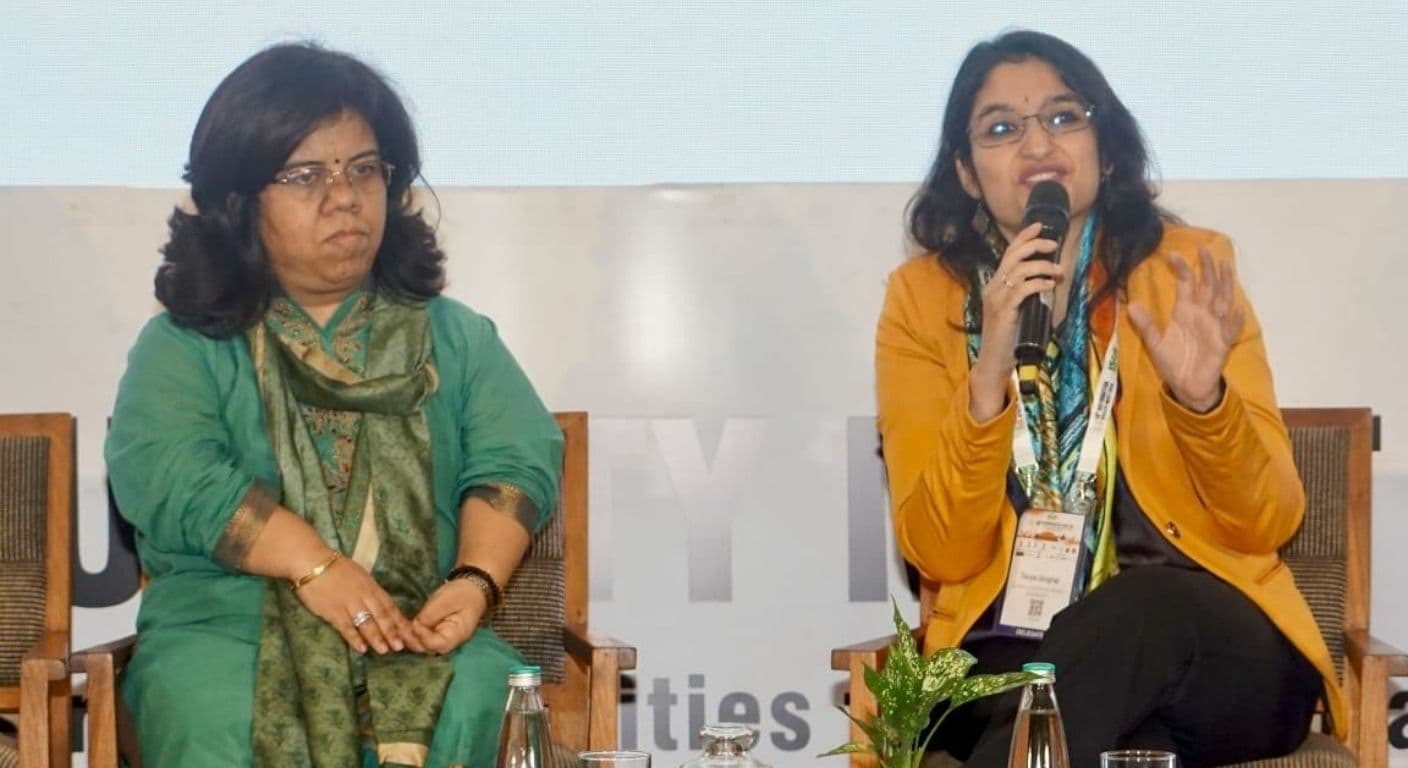
Speakers said storage could also help hospitals, water supply systems and other essential services during power interruptions. The session brought together representatives of TERI, GIZ India, distribution utilities, the energy storage industry and SECI, with TERI senior director A. K. Saxena moderating.