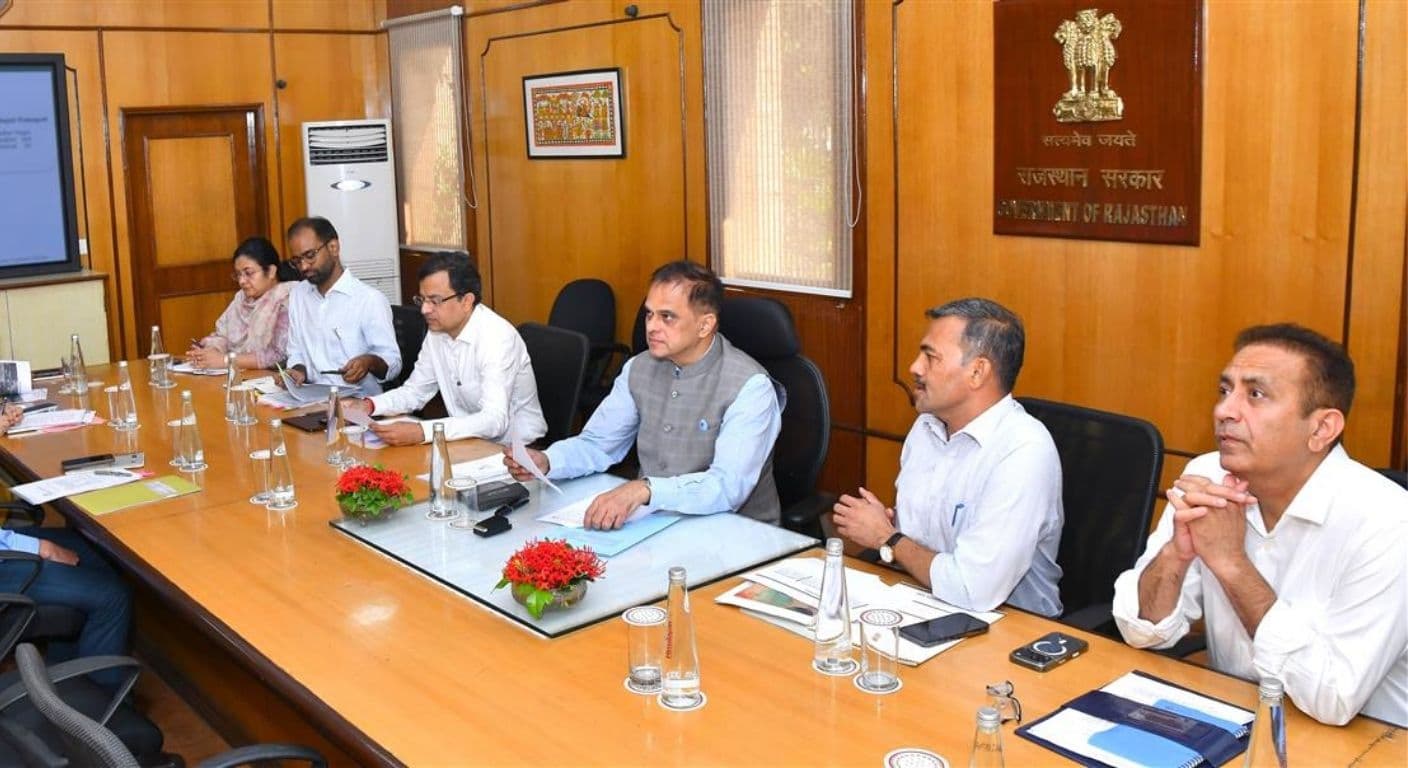

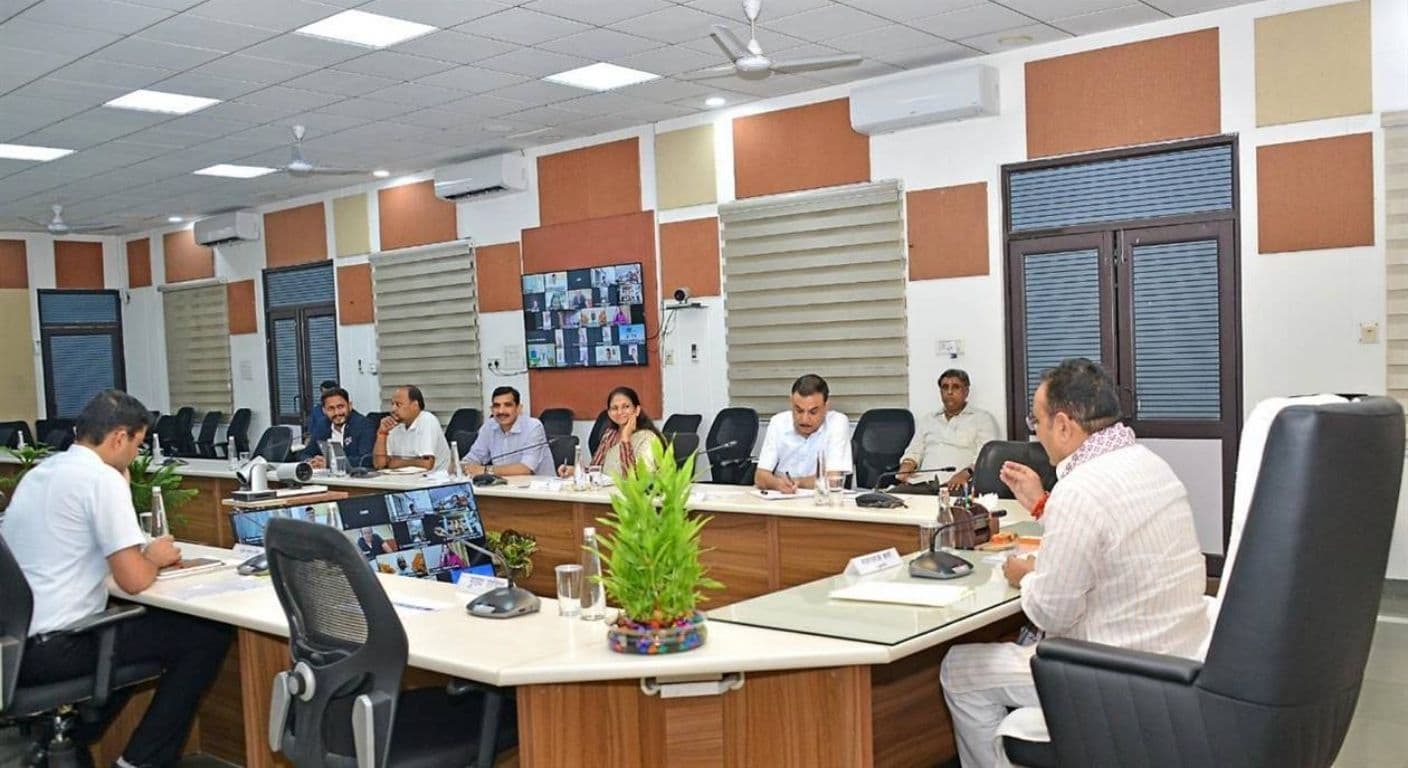
Rajasthan used the first phase of a renewed Rajasthan Foundation outreach on Tuesday, August 25, 2026 to make a direct pitch for more diaspora investment, with Chief Minister Bhajan Lal Sharma telling overseas Rajasthanis that putting money into the state can become a win-win for both investors and their homeland. During the interaction, he said the state is strengthening water, power and road infrastructure and simplifying processes to build a more investment-friendly environment.
For Jaipur, the significance is bigger than a single video-conference meeting. Decisions taken in the state capital on investor processes, infrastructure and diaspora engagement shape whether Rajasthan can convert global community links into actual projects, business partnerships and long-term economic activity on the ground.
Quick Highlights
- The first phase of the outreach covered eight Rajasthan Foundation chapters on August 25, 2026.
- The participating chapters were in Ahmedabad, Delhi, Doha, Pune, Surat, Munich, Kuwait and Muscat.
- The state says the Rajasthan Foundation has a total of 40 chapters in India and abroad.
- The chief minister highlighted infrastructure work in water, power and roads as part of the investment pitch.
- The government said 662 historic havelis in Shekhawati have been identified for conservation.
- The Rajasthan Foundation's Youth Wing and Women Wing have been asked to become operational at the earliest.
What the state is trying to achieve
The message from the meeting was straightforward: Rajasthan wants its global community to play a larger role in the state's next investment cycle. Sharma told the chapter representatives that the government is continuously working to create a better environment for industry and investment by expanding infrastructure and making procedures easier to navigate.
That matters because diaspora outreach becomes more meaningful when it is linked to the practical conditions investors care about. By pointing to ongoing work in essential infrastructure, the state is trying to show that the pitch is not based only on emotional attachment to Rajasthan, but also on the promise of better business-ready conditions.
| Focus area | What emerged from the meeting |
|---|---|
| Diaspora investment | Overseas Rajasthanis were urged to invest more actively in the state. |
| Infrastructure support | The government highlighted ongoing work in water, power and road projects. |
| Foundation network | The Rajasthan Foundation currently has 40 chapters, with the first phase covering 8 chapters. |
| Heritage agenda | The state said 662 Shekhawati havelis have been identified for conservation. |
| Organisation building | Regular chapter meetings and early activation of the Youth and Women wings were directed. |
Why the chapter network matters
The Rajasthan Foundation is being positioned as more than a symbolic diaspora body. The state wants it to function as a regular channel for feedback, ideas and investment outreach. Sharma directed that chapter meetings be held from time to time so Rajasthan can benefit from the suggestions and experiences of overseas Rajasthanis rather than engaging them only on occasional ceremonial platforms.
The release also says the chief minister reviews the progress of all chapters every month on investment-related efforts, cultural programmes and social activities. That suggests the government wants a continuing engagement structure, not a one-off appeal.
How heritage fits into the investment pitch
One notable part of the discussion was the attempt to tie economic development to identity and heritage. The state said overseas Rajasthanis have already shown commitment to their roots through the Karmabhoomi Se Matribhoomi campaign, and it linked that sentiment to a larger development narrative.
Sharma also said 662 historic havelis in the Shekhawati region have been identified for conservation under the idea of balancing development with heritage. That is important because it signals that Rajasthan is trying to present growth and preservation as part of the same long-term story, which can appeal both to investors and to members of the diaspora who retain a cultural stake in the state.
What happens next
The next test will be whether the chapter-by-chapter outreach expands quickly to the rest of the network and turns into concrete investment movement. The first phase covered eight chapters, but the full network runs to 40 chapters, leaving substantial room for the programme to broaden.
The other thing to watch is whether the organisational directions given in the meeting, especially on regular chapter engagement and the activation of the Youth and Women wings, begin producing visible activity. For now, the August 25 interaction marks a structured push by Rajasthan to convert diaspora goodwill into sharper economic engagement.