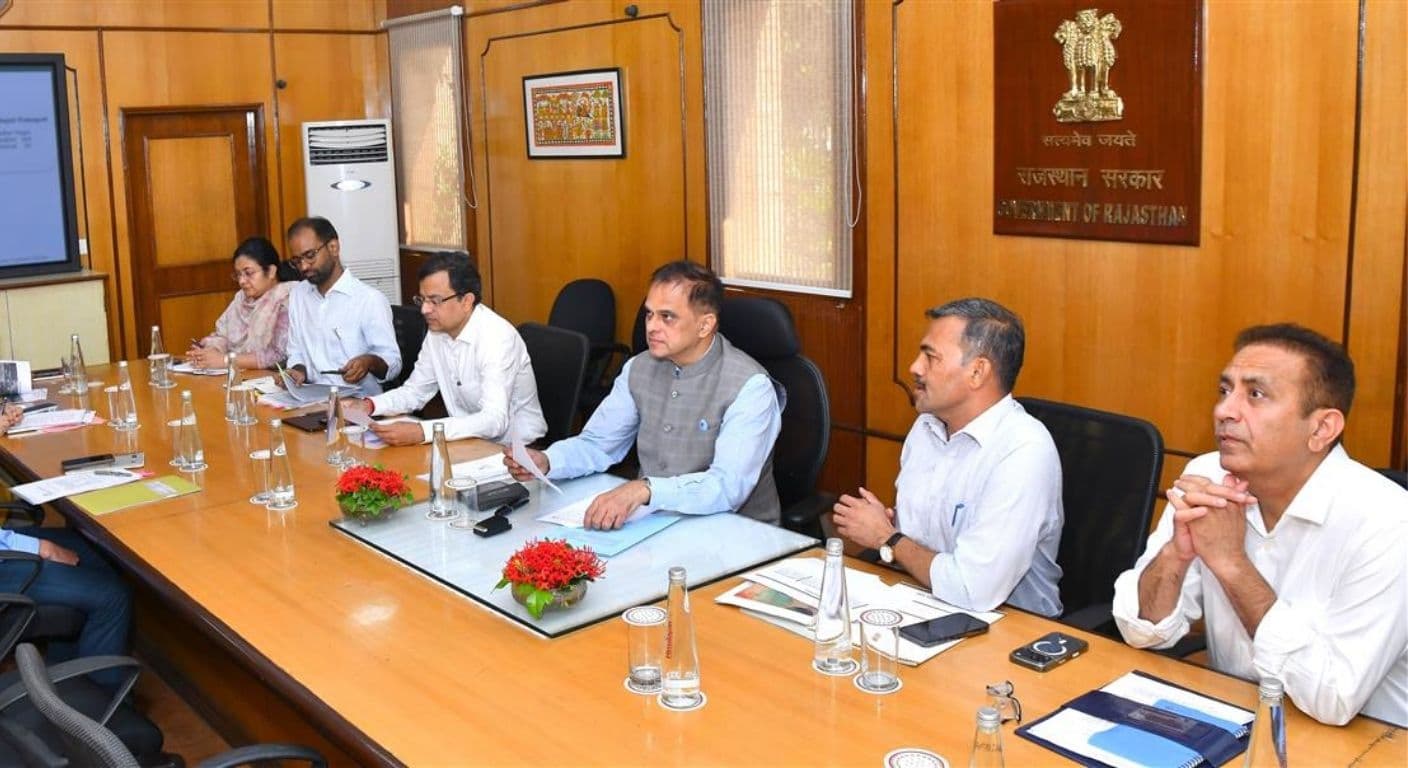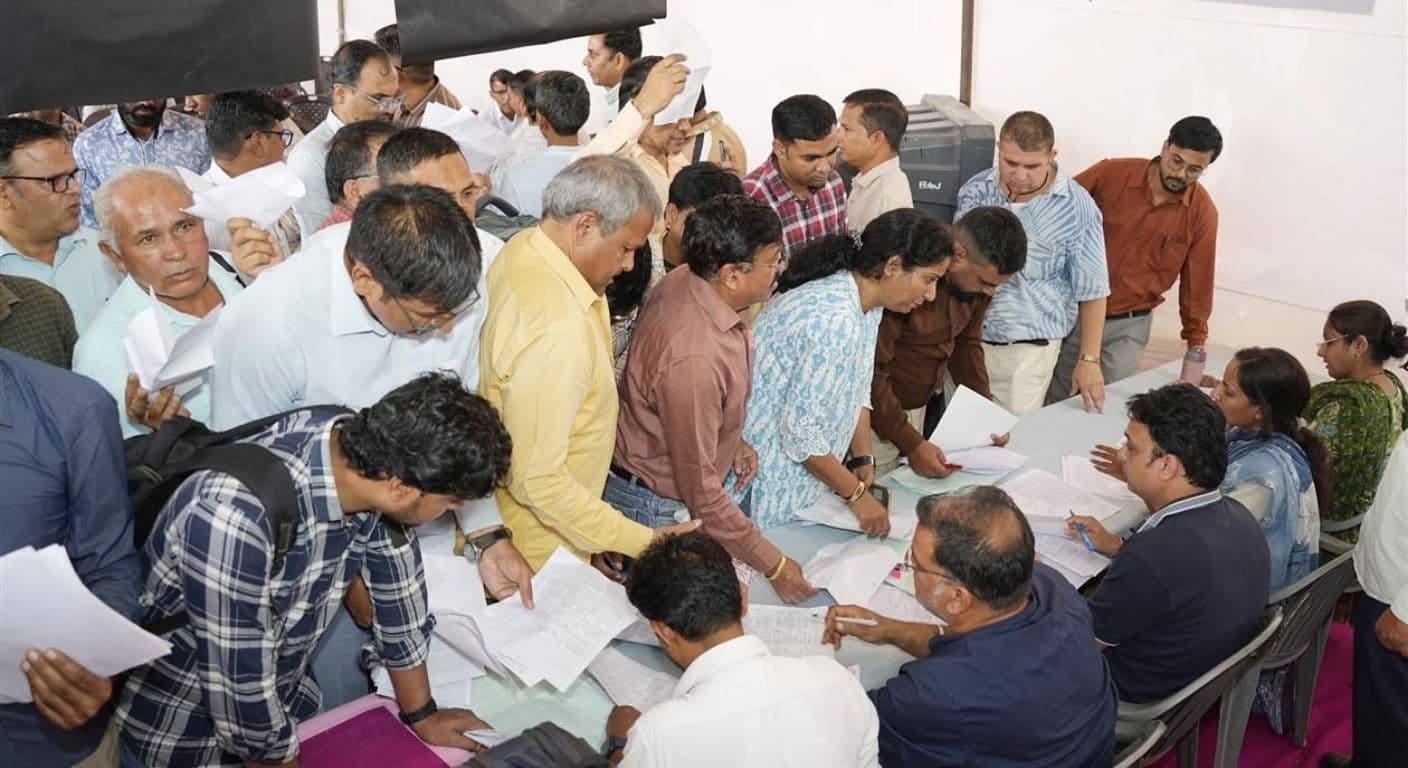

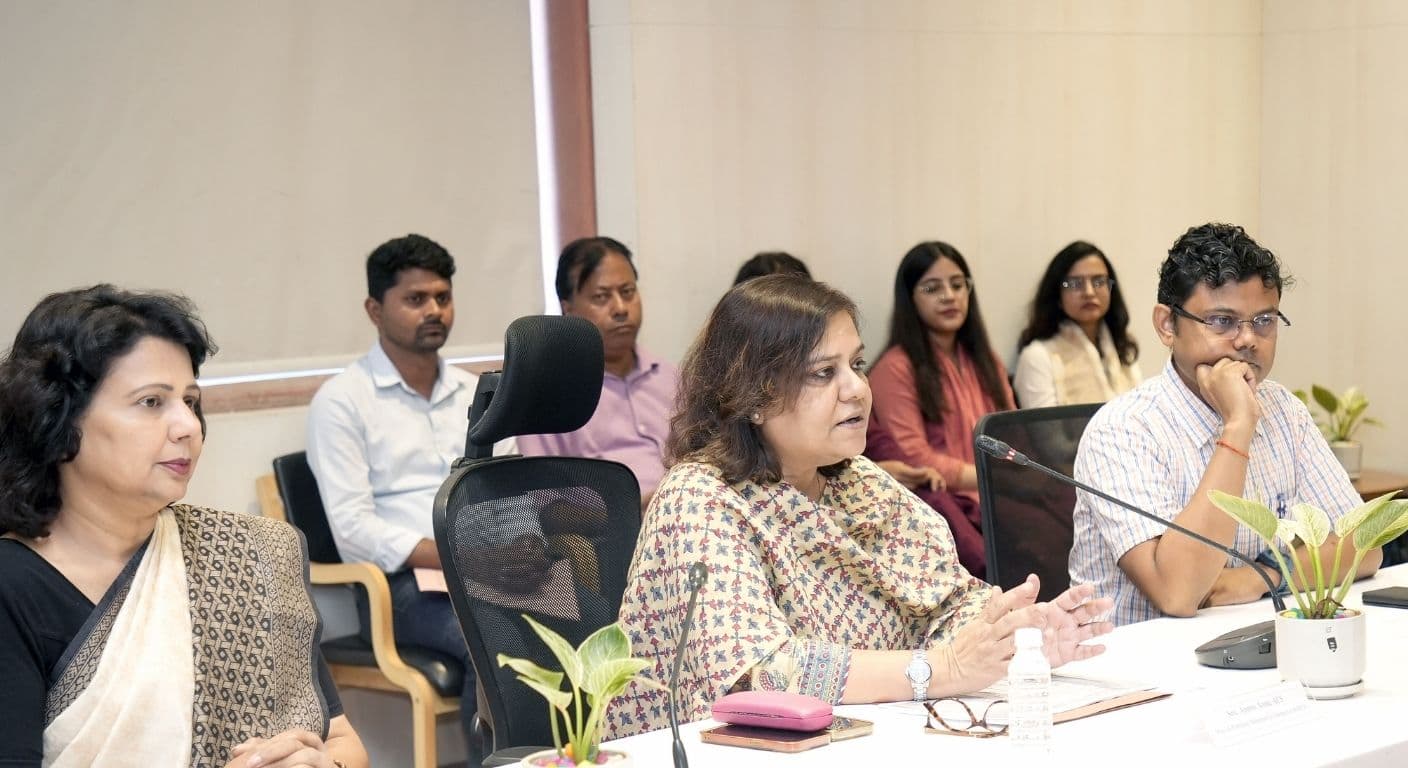
Rajasthan has used a Jaipur workshop on Wednesday, August 19, 2026 to push its textile-processing clusters toward a cleaner operating model built around zero liquid discharge, wastewater treatment, treated-water reuse and better sludge handling. Speaking at the Rajasthan International Centre, Rajasthan State Pollution Control Board chair Aparna Arora said the state's traditional textile economy will need to pair global competitiveness with stronger environmental responsibility.
For Jaipur, this matters because the conversation is not about distant industrial zones alone. Sanganer and Bagru, two of Rajasthan's best-known printing clusters, were directly named alongside Balotra, Pali and Barmer. In a water-stressed state, the bigger question is whether legacy textile hubs can modernize fast enough to cut pollution without weakening the industries that support jobs, craft traditions and export value.
Quick Highlights
- The August 19 Jaipur workshop focused on circular-economy practices and modern sustainability technologies for the textile sector.
- Officials said textile units should move toward ZLD systems, water treatment, treated-water reuse and scientific sludge disposal.
- Sanganer, Bagru, Balotra, Pali and Barmer were highlighted as important legacy textile and block-printing clusters.
- The event was framed as a pre-event for the 10th World Circular Economy Forum due in September 2026.
- A BARC technical presentation highlighted an affordable ZLD approach built around the 4R model: Reduce, Reprocess, Reuse and Resource Recovery.
What the Jaipur workshop asked industry to do
The core message was that cleaner textile production can no longer be treated as optional. Officials called for lower-water-use technologies, stronger wastewater treatment and reuse of treated water inside industrial operations, while also stressing that polluted water should not continue flowing into rivers and drains.
The workshop also linked cleaner production to industrial survival, not just compliance. Rajasthan's textile and block-printing traditions remain economically important, but the state is signalling that future competitiveness will depend on whether older clusters can upgrade their environmental systems and resource efficiency fast enough.
| Priority area | What the workshop emphasized |
|---|---|
| Zero liquid discharge | Move textile units toward ZLD-based systems that sharply reduce or eliminate untreated liquid discharge. |
| Treated-water reuse | Use treated wastewater back in industrial operations instead of relying only on fresh water. |
| Lower-water-use processes | Adopt technologies that reduce the water intensity of printing and processing. |
| Sludge handling | Improve scientific disposal and explore reuse pathways such as cement and block-making applications. |
| Legacy-cluster upgrades | Strengthen older textile hubs with modern wastewater-treatment and water-recycling infrastructure. |
Why Sanganer and Bagru are central for Jaipur
The local significance is clear. Sanganer and Bagru are not just names on a policy slide; they are among the most recognisable textile and printing centres tied to Jaipur's wider identity and economy. When officials talk about circularity and water reuse in these clusters, they are effectively talking about how Jaipur-linked industry can remain viable while reducing environmental pressure.
The state also underlined the water-stress angle directly, arguing that Rajasthan has limited water availability despite its size. That makes cleaner textile processing a practical necessity. If older clusters fail to reduce freshwater dependence and polluted discharge, both environmental costs and compliance pressure are likely to rise.
What the technical discussion is moving toward
The workshop did not stop at broad appeals. Technical sessions pointed toward specific solutions, including an affordable ZLD model presented by BARC and a 4R approach built around Reduce, Reprocess, Reuse and Resource Recovery. Other sessions looked at wastewater-treatment practices in Gujarat, sustainable textile chemistry, cluster-level circularity and water-reuse systems.
One notable state-level example cited during the discussion was that treated water from Balotra could help meet industrial demand in the petrozone developing around the refinery. That matters because it shows the policy push is not being framed only as pollution control; it is also being presented as a larger industrial-resource strategy.
What happens next
No new subsidy package or enforcement timetable was announced in the workshop, so the next real test lies in adoption. The state is clearly pushing for stronger industry-regulator coordination, technical support and capacity building, but the outcome will depend on whether legacy textile clusters actually move toward cleaner systems on the ground.
If that shift begins to take hold, Jaipur-linked clusters such as Sanganer and Bagru could be better positioned to protect both their industrial base and their environmental footing. If it does not, the workshop will still stand as a clear marker that Rajasthan has started treating water reuse and cleaner textile production as central to the sector's future rather than as a side issue.