
Rajasthan is working to expand the global reach of its textile and apparel industry, with businesses and state officials identifying investment, value addition, branding and design collaboration as priorities.
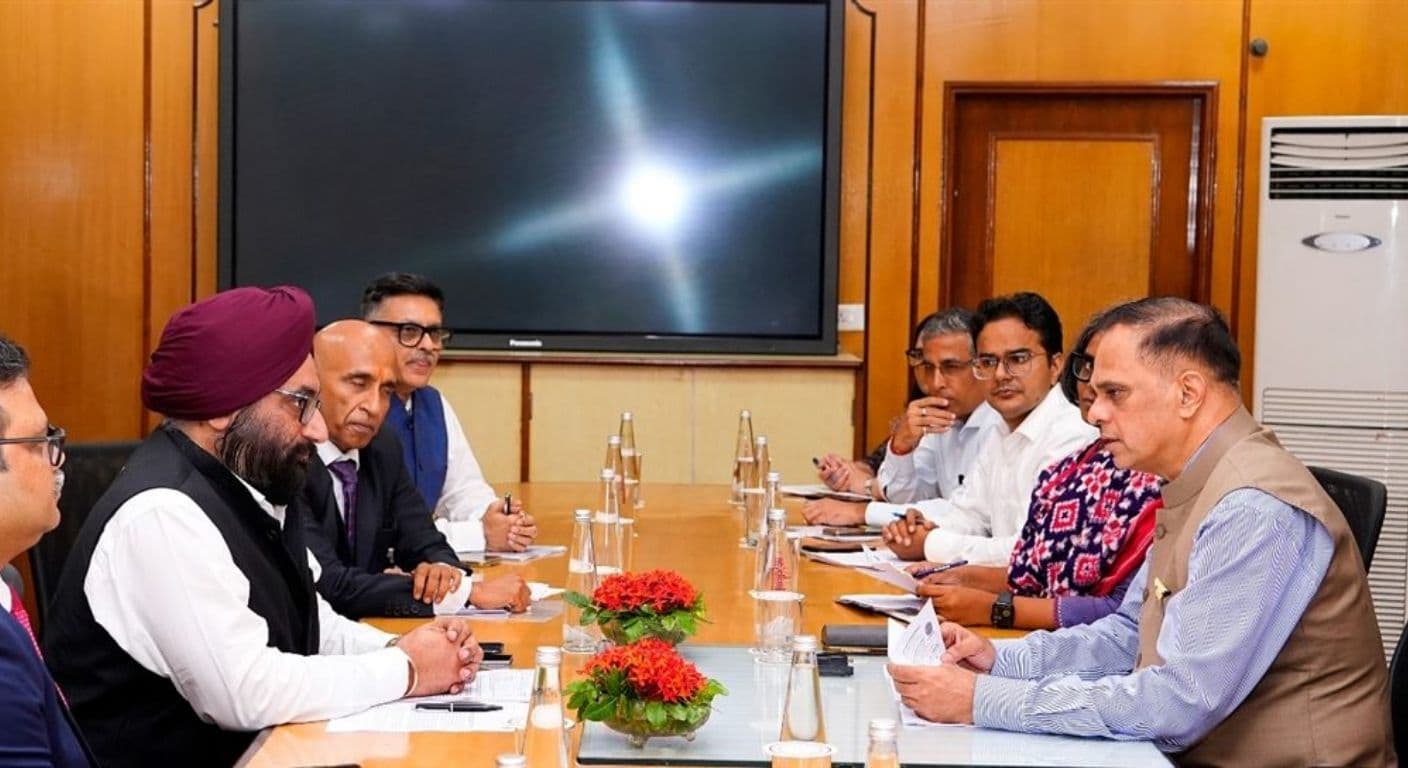
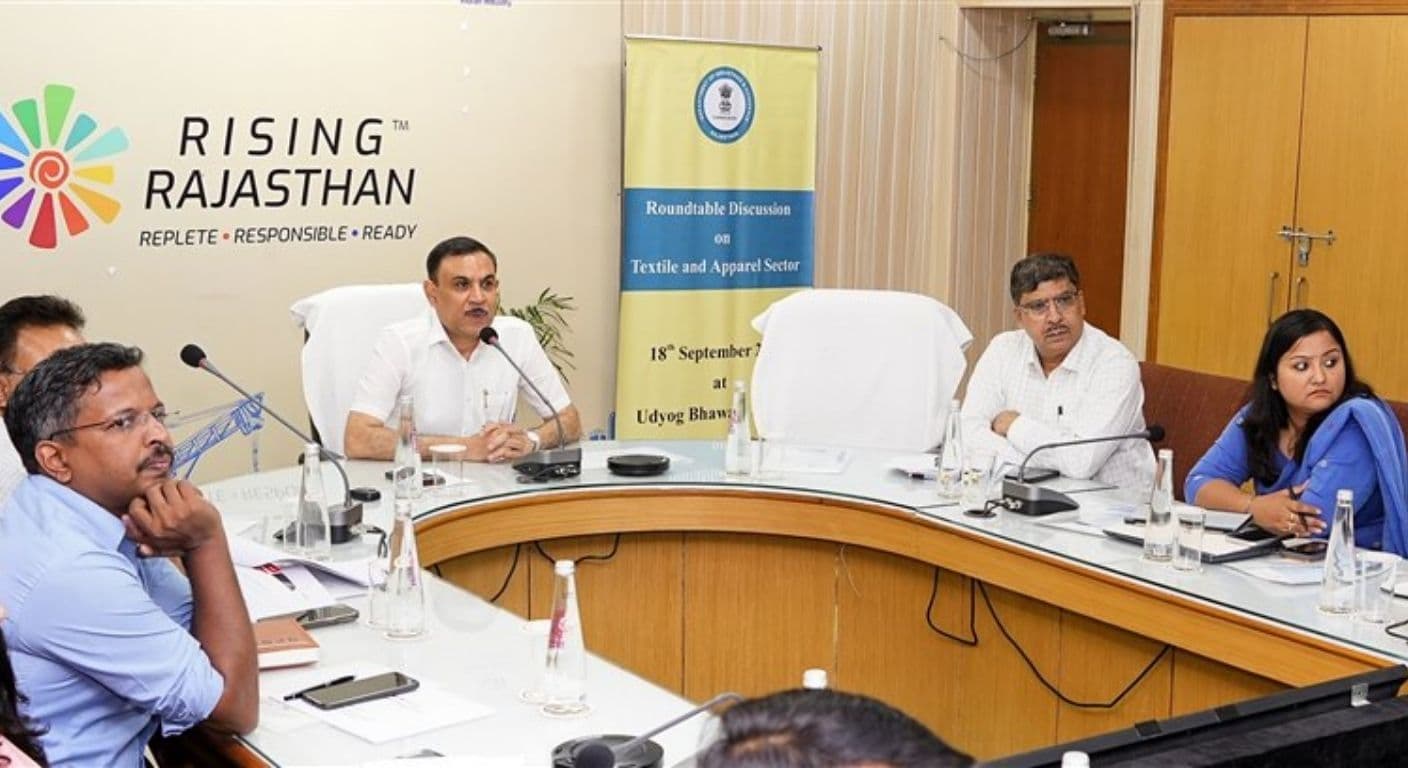
The agenda was discussed across three industry roundtable sessions at Udyog Bhawan in Jaipur on September 18, 2026. The talks brought together textile manufacturers, apparel businesses, design houses, studios, technical-textile companies and industry associations.
Textiles hold a significant share of Rajasthan exports
Rajasthan's merchandise exports are valued at more than ₹1 lakh crore, with textiles and readymade garments contributing about 12.9%. The state wants to strengthen that position as India works towards a national textile-export target of US$100 billion by 2030.
| Industry benchmark | Figure |
|---|---|
| Rajasthan's total merchandise exports | More than ₹1 lakh crore |
| Textiles and readymade garments share | About 12.9% |
| India's textile-export goal | US$100 billion by 2030 |
The national target is not a Rajasthan-specific commitment. The state's stated aim is to secure a stronger contribution to that wider export opportunity by raising manufacturing capacity and improving links to overseas markets.
What industry representatives proposed
Participants discussed ways to reduce dependence on imported textile raw materials while increasing production and value addition within Rajasthan. They also considered the barriers facing exporters and the interventions that could help businesses reach domestic and international buyers.
- Investment and capacity: expand manufacturing and attract new projects into the state.
- Products and innovation: develop goods aligned with changing global demand.
- Branding and market access: improve visibility and routes to buyers in India and abroad.
- Design collaboration: build closer links between design institutes and manufacturers.
- Traditional skills: strengthen the capabilities of artisans as the industry modernises.
- Trade agreements: assess opportunities created by recently implemented free-trade agreements.
A textile task force has been formed to maintain dialogue with the industry and identify areas requiring intervention. Suggestions from the Jaipur sessions are expected to be examined for possible inclusion in future policies and programmes, although no new scheme, budget or implementation deadline was announced.
Policies supporting the sector
The industry's growth framework includes the Rajasthan Textile and Apparel Policy 2025 and the Rajasthan Export Promotion Policy 2024. Officials also cited the Rajasthan MSME Policy 2024, the One District One Product Policy 2024 and the Vishwakarma Yuva Udyami Protsahan Policy as channels of support for entrepreneurs.
For Jaipur, the emphasis on fashion design, branding and collaboration is especially relevant to the city's mix of apparel businesses, craft traditions and creative institutions. The policy impact will become clearer when the government identifies which roundtable proposals will be adopted and how firms and artisans can access the resulting support.
The next milestones to watch are specific task-force recommendations, programme changes and measurable export or investment targets for Rajasthan's textile and apparel sector.